The earth does not warn you. It simply forgets to hold still.
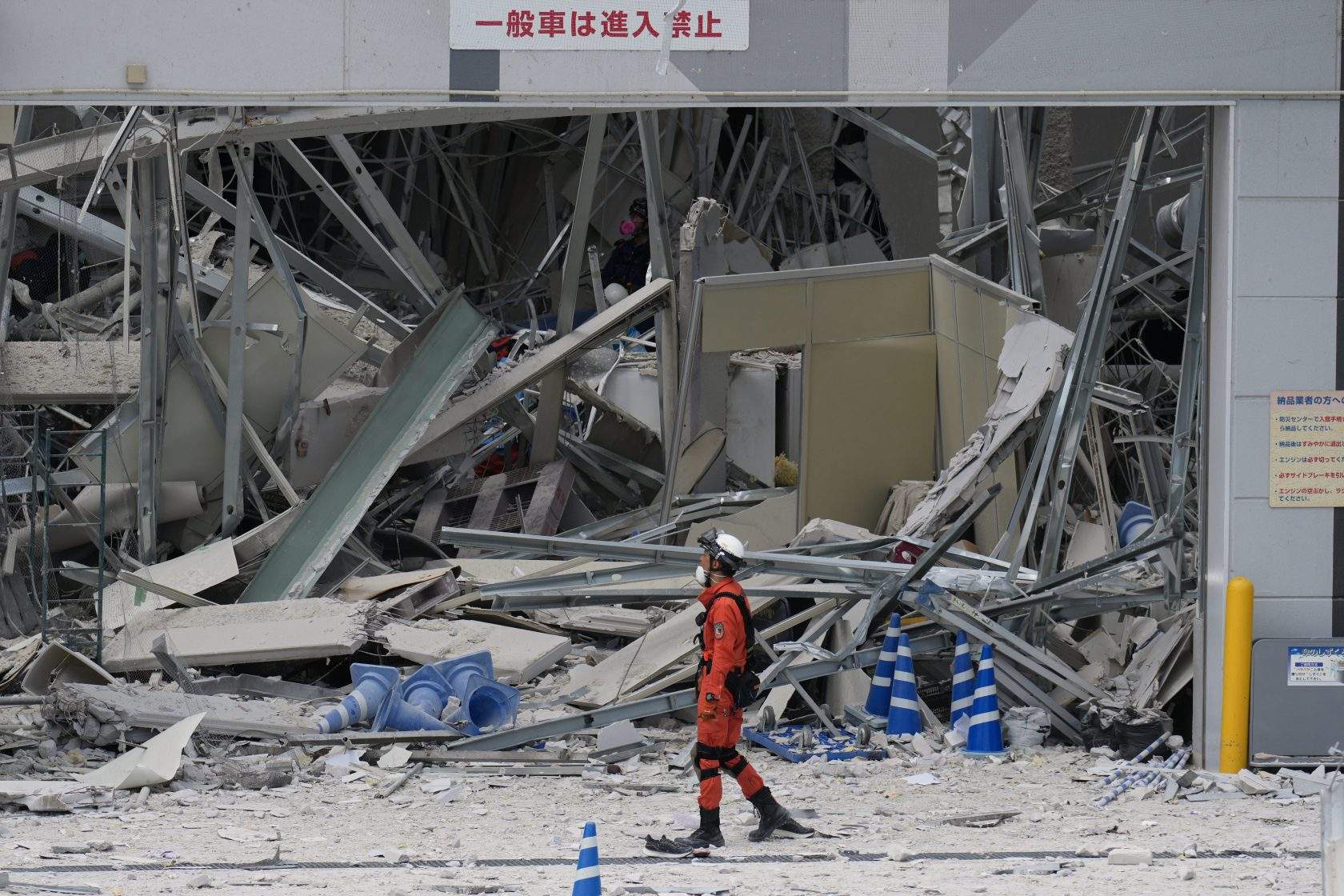
In a fraction of a second, the floor beneath a kitchen in Venezuela turns from a solid foundation into a rolling wave. Plates shatter. Walls groan. Dust fills the air like a sudden, blinding fog. For most people outside the region, the story of an earthquake ends when the shaking stops. The cameras pack up. The headlines shift. But for the families standing in the rubble, the true crisis is only just beginning.
Consider what happens next in the quiet hours after the chaos.
The immediate danger of falling concrete is replaced by an invisible enemy. Water mains snap underground. Sewage lines rupture. When the infrastructure that keeps a modern society clean breaks apart, human health hangs by a thread.
The Silence After the Tremors
Meet Mateo. He is a hypothetical neighborhood baker whose shop survived the initial jolt with only a few cracked windows. To him, survival meant sweeping up the glass and reopening his doors to feed his neighbors. Yet, within forty-eight hours, the real threat arrived not from another tremor, but from the tap.
The municipal water system had failed. Cracked pipes allowed contaminated groundwater to seep into the drinking supply.
Waterborne illnesses thrive in the wake of natural disasters. Without clean sanitation, bacteria like Escherichia coli and pathogens causing typhoid fever begin to circulate silently. In crowded temporary shelters, airborne droplets pass easily from person to person. Respiratory infections spike. Skin conditions flare up from damp conditions and lack of hygiene facilities.
Public health experts know this pattern intimately. The trauma of an earthquake weakens the human immune system. Stress floods the body with cortisol, wearing down defenses just as exposure to environmental toxins increases.
The Invisible Toll on the Mind
Then there is the weight that cannot be measured in parts per million or bacterial counts.
Anxiety settles into the bones. Every rumble of a passing truck triggers a phantom jolt of panic. Children clutch their parents, waking up at night to check if the walls are still upright. Chronic psychological distress is a predictable aftermath of seismic disruption. When communities lose their homes, they lose their sense of agency.
The recovery process requires more than engineers and heavy machinery. It demands an understanding that human well-being is deeply tied to the physical stability of our surroundings. When the earth breaks, the social fabric tears right along with it.
Repairing a fractured nation means fixing the pipes before the sickness spreads. It means listening to the quiet fears of those who survived.
The dust eventually settles. The cracks in the pavement are patched over with fresh asphalt. But the lessons written in the dust remain, waiting for the next time the ground decides to move.