One person is dead and 15 others are injured after a Russian strike hit a university and its surrounding neighborhood in Kyiv.
Let that sink in. Not a military base. Not an ammunition depot. A university campus and the streets around it where students, faculty, and regular residents were just trying to get through their day. You might also find this similar coverage insightful: Stop Calling Chad a Humanitarian Hero for Hosting Sudanese Refugees.
When news breaks with a headline like "1 dead, 15 injured as Russia strikes university and surrounding area in Kyiv," most outlets give you a three-paragraph wire summary and move on. You get the casualty count, a generic quote from a city official, and zero context about what this actually means on the ground. That's lazy journalism, and it misses the bigger picture of how urban warfare in Ukraine operates right now.
The Reality Behind the Kyiv University Strike
Let's look closely at what happens during an attack on an educational district in Ukraine's capital. When missiles or drones hit an area surrounding a university in Kyiv, the immediate casualties—one fatality and 15 wounded—only tell part of the story. As highlighted in detailed reports by NBC News, the effects are notable.
Blast waves in dense urban neighborhoods don't discriminate. Shattered glass from dormitory and lecture hall windows causes a massive share of injuries in strikes like this. Concrete debris falls onto sidewalks. Parked cars catch fire, and utility lines snap.
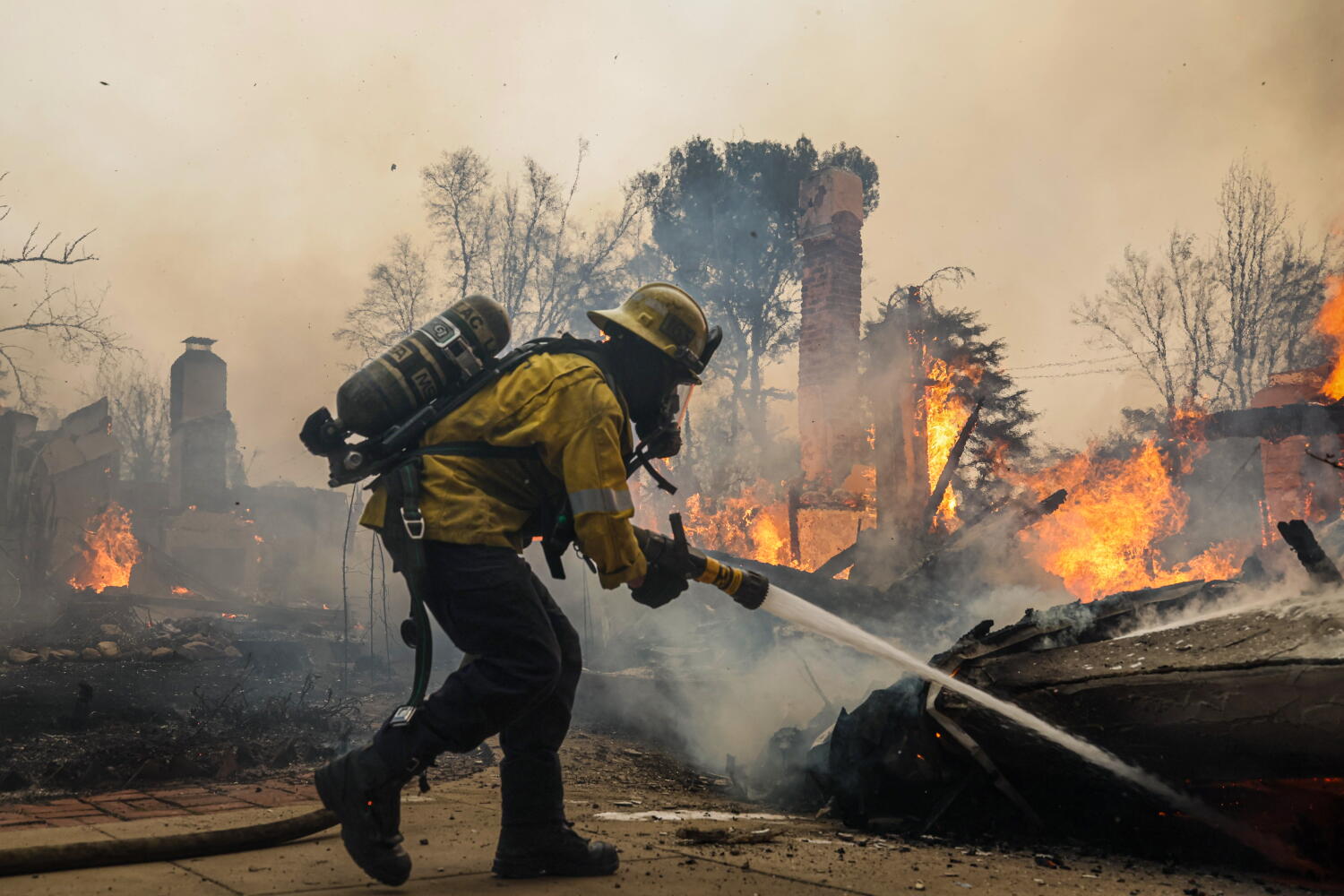
Emergency crews from Ukraine's State Emergency Service (DSNS) usually arrive within minutes. They're digging through rubble, setting up triage points on the pavement, and evacuating people from damaged buildings while the air raid alert might still be active. That's the terrifying reality of rescue work in Kyiv. First responders regularly risk double-tap strikes—where a second wave of munitions hits the exact same spot after medics and firefighters gather.
You can't treat this like an isolated traffic accident. Every strike on a civilian institution in Kyiv carries a deliberate psychological weight.
Why Civilian Infrastructure Keeps Getting Hit
People always ask the same question when a school, hospital, or university gets struck. Was it an accident, or was it intentional?
Honestly, the distinction matters less than you think when you look at the pattern. Under international humanitarian law—specifically the Geneva Conventions—educational institutions are protected civilian objects. Attacking them is a clear violation unless they're actively being used for military purposes.
Yet since the full-scale invasion began in February 2022, the Ukrainian Ministry of Education and Science has documented thousands of damaged or completely destroyed educational facilities across the country. Universities in Kyiv, Kharkiv, Odesa, and Lviv have repeatedly taken direct hits or suffered severe blast damage.
Why? There are three main factors at play:
- Area-effect weapons in dense cities. Russia frequently uses ballistic missiles, cruise missiles, and long-range attack drones with wide blast radii or poor terminal accuracy. Firing weapons with a circular error probable of dozens of meters into a packed capital city guarantees civilian casualties.
- Disruption of normal life. Keeping a university open in wartime is an act of defiance. It tells the population that the country still has a future. Striking a campus directly attacks that sense of normalcy and forces students and professors back into basements and shelters.
- Air defense saturation. Even when Ukrainian air defenses intercept incoming missiles, falling debris in a densely populated district like central Kyiv still kills people and destroys buildings.
It's a brutal equation. Whether a warhead hits its intended coordinates or gets knocked off course by an interceptor, the result on the ground is shattered classrooms and ambulances rushing 15 injured people to trauma centers.
What Most Coverage Misses About Kyiv's Academic Community
If you haven't spent time following how Ukrainian universities operate during this war, you might assume classes stopped years ago. They didn't.
Universities in Kyiv have adapted in ways most Western administrators couldn't imagine. Many campuses run hybrid schedules. Lectures happen online when air raid sirens blare, then shift back to in-person labs the moment the all-clear sounds. Basements and Soviet-era bomb shelters beneath university buildings have been converted into underground classrooms, complete with Wi-Fi routers, generators, and rows of desks.
When a strike damages a university and the surrounding neighborhood, it doesn't just break bricks and mortar. It destroys specialized research equipment, archival libraries, and student housing that can't be replaced overnight.
Think about the logistics of running a campus under constant threat. Facilities managers have to board up hundreds of blown-out windows before winter temperatures drop below freezing. Students injured in a blast have to balance physical recovery with keeping up with exams. Professors teach from apartments without power because a substation three blocks away took shrapnel.
Most news reports treat the university as a passive backdrop—just a geographical marker to tell you where the missile landed. In reality, these institutions are the backbone of Ukraine's civil society.
The Immediate Aftermath on the Ground
Once the dust settles after a strike leaves one dead and 15 wounded, a very specific sequence of events kicks off in Kyiv. Knowing how this works helps you separate real reporting from rumor on social media.
First, Kyiv's Mayor and the Head of the Kyiv City Military Administration release preliminary casualty numbers via Telegram. These early figures almost always change over the next 12 to 24 hours. People with minor shrapnel wounds or acute stress reactions often walk into clinics on their own hours after the initial ambulance sweep.
Second, municipal workers move in remarkably fast. If you've ever seen footage of Kyiv the morning after a major strike, you've probably noticed crews sweeping glass and boarding up windows before noon. City utility teams work around the clock to restore water, gas, and electricity to the surrounding apartment blocks so residents aren't displaced permanently.
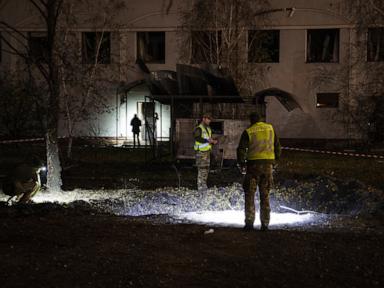
Third, war crimes investigators from the Office of the Prosecutor General arrive to document the scene. They collect missile fragments, measure crater depths, and interview witnesses. Every piece of twisted metal gets cataloged as evidence for future international tribunals.
How to Verify Information During Fast-Moving Strikes
Whenever an attack hits a major city like Kyiv, social media floods with misinformation within seconds. Old videos from 2022 or 2023 get recycled as breaking news. Bot accounts push unverified casualty numbers or claim the building was hiding secret military hardware without a shred of proof.
If you want to follow these events accurately without falling for propaganda or panic, stick to a strict verification routine:
- Cross-check official local channels first. Look at verified updates from the Kyiv City Military Administration, Ukraine's State Emergency Service (DSNS), and the National Police of Ukraine. They publish verified photos of the damage and confirmed injury counts.
- Watch the timestamps and weather. Check if the clothing people are wearing and the weather in viral clips actually match current conditions in Kyiv. Recycled footage almost always fails this basic test.
- Wait for the Air Force Command summary. Ukraine's Air Force typically releases a breakdown the following morning detailing what types of missiles or drones were launched and how many were intercepted. That context explains whether the damage came from a direct hit or falling debris.
- Rely on established on-the-ground reporters. Journalists physically stationed in Kyiv—from outlets like Reuters, AP, The Kyiv Independent, and Suspilne—verify locations before publishing.
Don't share raw, unverified footage of impact sites right after an attack. Ukrainian authorities repeatedly ask civilians not to post photos showing exact hit locations or air defense positions, because Russian intelligence actively monitors local Telegram channels to adjust targeting in real time.
The Bigger Picture for Kyiv
A single death and 15 injuries might look like a small statistic compared to the massive casualties on the eastern front lines. That's a dangerous way to look at it.
Every strike on a university and its surrounding neighborhood in Kyiv tests the endurance of an entire city. It forces millions of people to calculate risk every time they walk to class, grab coffee, or sit near a window.
If you want to support affected students, faculty, and emergency responders in Kyiv, direct your attention and donations toward verified humanitarian organizations operating inside Ukraine—such as the Ukrainian Red Cross, Razom for Ukraine, or official university rebuilding funds verified through Ukraine's Ministry of Education. Skip generic social media fundraisers with no paper trail, verify the organization's registration, and put resources where they actually rebuild classrooms and fund trauma care.