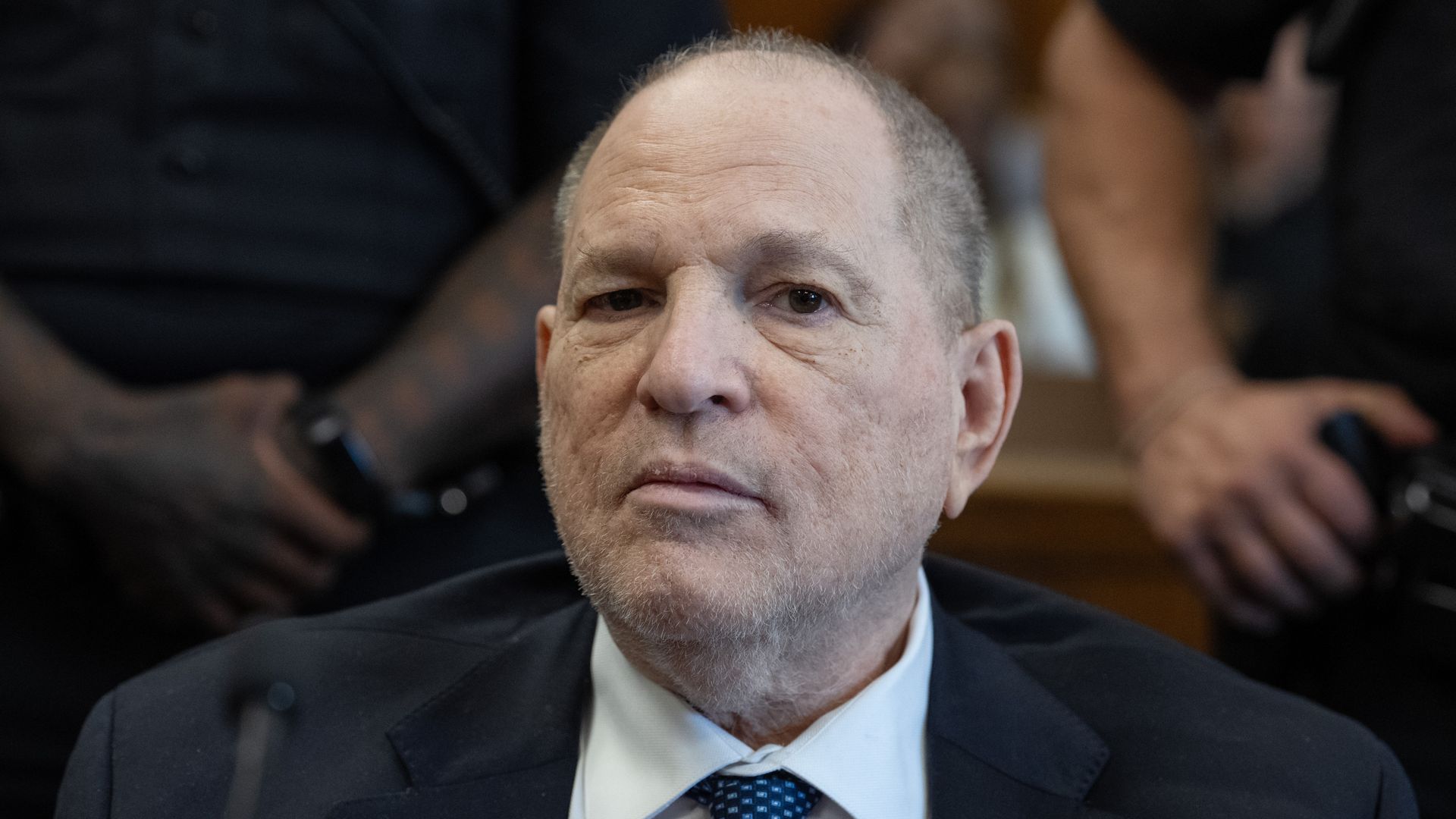
The legal saga surrounding Harvey Weinstein took a massive turn as Manhattan prosecutors dropped the remaining third-degree rape charge against him. For anyone tracking the #MeToo movement or the mechanics of high-profile criminal justice, this brings a stunning halt to an eight-year courtroom war. He won't face a fourth New York rape trial.
The decision comes six weeks after a May 2026 mistrial, where a Manhattan jury completely deadlocked. They couldn't agree on whether Weinstein raped aspiring actress Jessica Mann in a Manhattan hotel room back in 2013. Instead of forcing a fourth round in front of a jury, the Manhattan District Attorney's office walked away. Read more on a related topic: this related article.
But let's be entirely clear about why this happened. This isn't a declaration of innocence, despite what Weinstein’s legal team claims. It is a stark reminder of the brutal emotional tax the legal system extracts from survivors who choose to step onto the witness stand.
The Exhausting Realities of the Witness Stand
The Manhattan District Attorney's office made it clear that the choice to drop the charge came directly from conversations with Jessica Mann. She simply couldn't face doing this again. Additional analysis by Reuters explores related perspectives on the subject.
Think about what we ask survivors to do in a court of law. Mann didn't just tell her story once. Over the span of eight years, she testified before two separate grand juries and three full trial juries. She endured grueling cross-examinations by high-profile defense attorneys who picked apart her memories, her personal journals, and her complex, on-again, off-again relationship with the former movie mogul.
In a letter quoted by prosecutors in court, Mann wrote that she could "no longer endure going through this," noting that the long-running case had "put me through more harm than good."
Manhattan District Attorney Alvin Bragg backed his witness completely, stating that the office fully believes Mann’s account and her credibility. He praised her bravery, but acknowledged that the process had become an "extraordinarily taxing ordeal." When a victim tells the state that the pursuit of justice is causing more personal destruction than healing, dropping the case is the only decent move left.
Why Jurors Keep Deadlocking on Consent
The legal battle over this specific charge reveals a massive friction point in sexual assault prosecutions: the reality of complicated relationships.
Weinstein’s defense team, led recently by prominent defense lawyers, hammered home a consistent narrative. They argued that Mann and Weinstein had a multi-year, consensual relationship. They pointed to warm emails and continued contact after the alleged 2013 incident at the DoubleTree hotel in Manhattan.
Mann’s testimony painted a vastly different, more realistic picture of the entertainment industry's power dynamics. She testified that she initially tried to manage Weinstein's pushy overtures to help her acting career, but on that specific morning in 2013, he commanded her to undress and raped her even though she resisted and repeatedly said "no."
Our legal system handles black-and-white scenarios well, but it struggles mightily with the grey. When a case involves a victim who stayed in contact with an abuser, jurors frequently split. We saw this in the 2025 retrial, which deadlocked. We saw it again in May 2026, when jurors deliberated for three days before sending a note to Judge Curtis Farber stating that no one was going to budge.
Even when a judge gives an Allen charge—a formal instruction urging a deadlocked jury to keep trying—modern juries find it incredibly difficult to reach a unanimous decision on historical cases where physical evidence is absent and relationship dynamics are messy.
Where Harvey Weinstein Stands Now
Don't mistake this dismissed charge for a get-out-of-jail-free card. Weinstein is 74 years old, in failing health, and remains securely behind bars. The legal architecture holding him there is substantial.
First, the Manhattan District Attorney's office is still moving full steam ahead on sentencing for his other New York conviction. Weinstein stands convicted of a first-degree criminal sexual act involving former production assistant Miriam Haley. Prosecutors are aggressively pushing for a 20-year prison sentence.
Second, the California courts are waiting for him. In 2022, a Los Angeles jury convicted Weinstein of rape and sexual assault against an Italian actor, resulting in a 16-year prison sentence. He must serve that time once his New York legal penalties are resolved. While he is actively appealing both the New York and California convictions, he isn't walking out of a prison gates anytime soon.
The Shifting Strategy for Future Prosecutions
This case offers critical insights for legal analysts and future prosecutors handling high-stakes sexual assault allegations.
First, relying on Molineux witnesses—prior uncharged bad acts used to show a pattern of behavior—is a dangerous gamble. Weinstein’s original 2020 New York conviction was overturned by the state's highest court precisely because the original judge allowed too many women to testify about allegations that weren't part of the actual charges. Prosecutors must build airtight cases focused strictly on the specific indictment.
Second, the "survivor-centered approach" means knowing when to stop. Pushing a witness through a fourth trial to secure a conviction at the cost of their mental health isn't a victory.
For legal teams and advocacy groups watching these developments, the next practical steps involve a hard look at jury instructions regarding trauma and post-assault behavior. Until the legal system updates how it explains trauma responses to everyday jurors, prosecutors will continue to face deadlocks in cases that don't fit a tidy, stereotypical narrative. Weinstein’s fourth trial didn't happen because the system finally recognized that a courtroom can sometimes become its own form of trauma.