The data was ready. It sat quietly inside a file on the servers of the Centers for Disease Control and Prevention, completely cleared by the agency’s Office of Science. It had a scheduled date with the world: March 19. If you had opened that file, you would have seen numbers that mattered to every family trying to navigate a winter spike in respiratory illnesses.
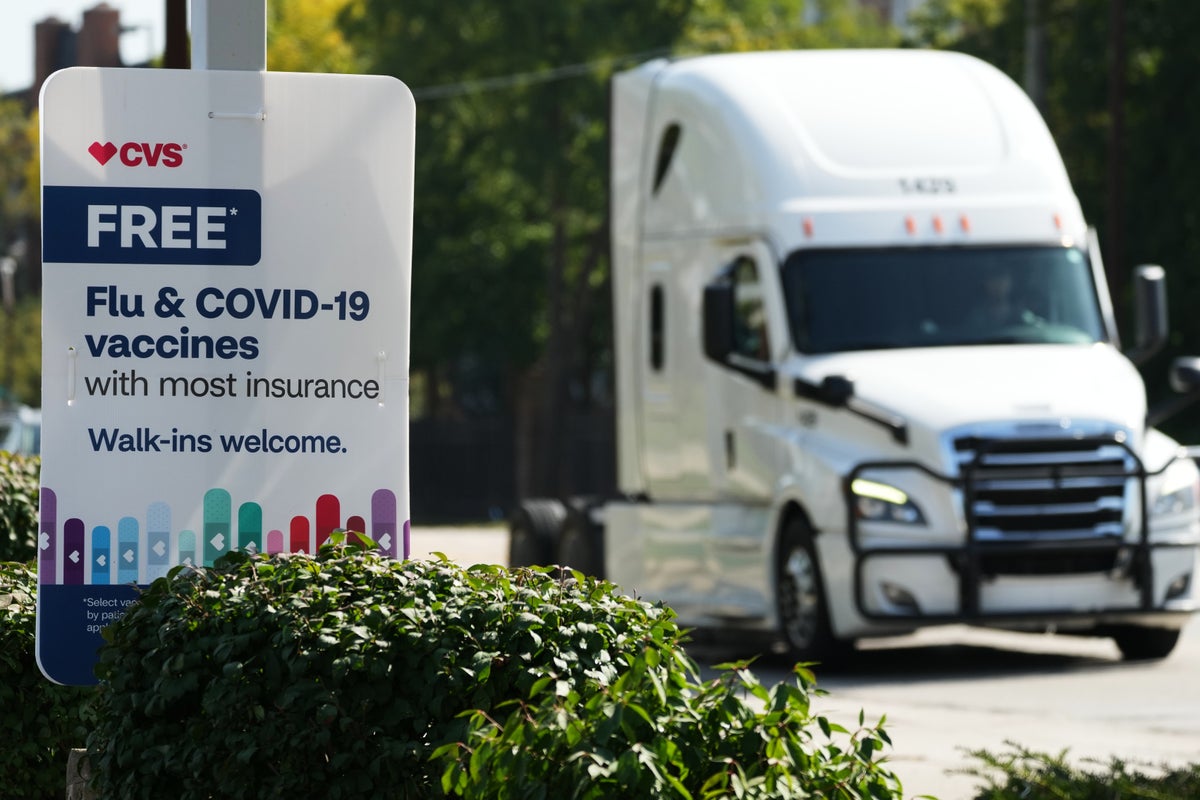
The numbers showed that the season’s COVID-19 vaccine was working. It cut a person’s chance of ending up in an emergency room or an urgent care clinic by 50 percent. It dropped the risk of full hospitalization by 55 percent.
But March 19 came and went. The file remained locked.
Instead of moving to publication in the CDC’s flagship journal, the Morbidity and Mortality Weekly Report, the study was flagged and halted by the acting agency director, Dr. Jay Bhattacharya. A similar quiet shelfing occurred at the Food and Drug Administration, where scientists were directed to withdraw two major studies analyzing vaccine safety across millions of insurance records.
When public health reports vanish behind closed doors, the loss isn't just a matter of missing spreadsheets or delayed academic citations. The damage hits the ground in real time.
Imagine a family doctor in a busy municipal clinic. Let us call her Dr. Aris. Every Tuesday, she sits across from elderly patients, pregnant mothers, and anxious parents who are inundated with conflicting internet rumors about medical safety. They look her in the eye and ask a fundamentally human question: "Is this going to keep me out of the hospital, or is it going to hurt me?"
To answer them honestly, Dr. Aris needs real-time, independent data. She needs to know exactly how the current vaccine formulation is holding up against the latest mutated strain of the virus. When federal agencies pause the flow of that data, her exam room goes dark. She is left to rely on intuition rather than empirical clarity. Her patients sense the hesitation, and that is where confidence begins to splinter.
The official explanation for holding back the CDC report focused on a classic academic disagreement. The study relied on a "test-negative design." It is a methodology that compares people who enter the hospital with respiratory symptoms who test positive against those who test negative.
Critics appointed by the Department of Health and Human Services argued that this framework relies on too many assumptions. They argued that varying patient behaviors and previous infections could muddy the results. They wanted a perfect, long-term, flawless study.
But out in the real world, viruses do not wait for perfect conditions. Public health researchers have relied on the test-negative framework for decades to track the seasonal flu vaccine. Just weeks before the COVID-19 study was blocked, the CDC used that exact same methodology to publish its flu shot data.
The abrupt shift in standards felt less like scientific rigor and more like a changing of the guard. Health Secretary Robert F. Kennedy Jr. had already shifted federal guidance to no longer recommend the vaccine for pregnant women and healthy children. Top CDC officials who resisted these policy shifts had been pushed out or resigned.
When science is managed rather than shared, the public begins to suspect that information is being curated to fit a pre-determined narrative. Disagreement is the lifeblood of the scientific method, but that disagreement is supposed to happen in the open. Scientists publish, peer-reviewers critique, and researchers issue rebuttals. They do not lock the cellar door.
The blocked CDC report did eventually find its way into the light, published months later in an independent medical journal after a physician obtained a copy and shared it online. The data proved what career scientists had been trying to say all along: the protective shield was holding.
But the delay had already taken its toll. Vaccine confidence is not a fixed monument; it is a fragile structure built on absolute predictability and radical transparency. When information is withheld, people do not stop asking questions. They simply look for answers in darker places.
Consider what happens next: every time a public health agency asks the public for trust, the memory of the missing report will linger in the background. The ultimate cost of locking away data isn't just a bad winter season or a rise in clinic admissions. It is the slow, quiet erosion of the belief that the institutions designed to protect us are telling us the whole truth.