A Quiet Shift on the Docks
Morning on the docks used to smell like salt and cheap coffee, punctuated by the rhythmic clang of shipping containers slamming onto flatbeds. Today, the noise is quieter, but the tension is heavy enough to feel in your chest.
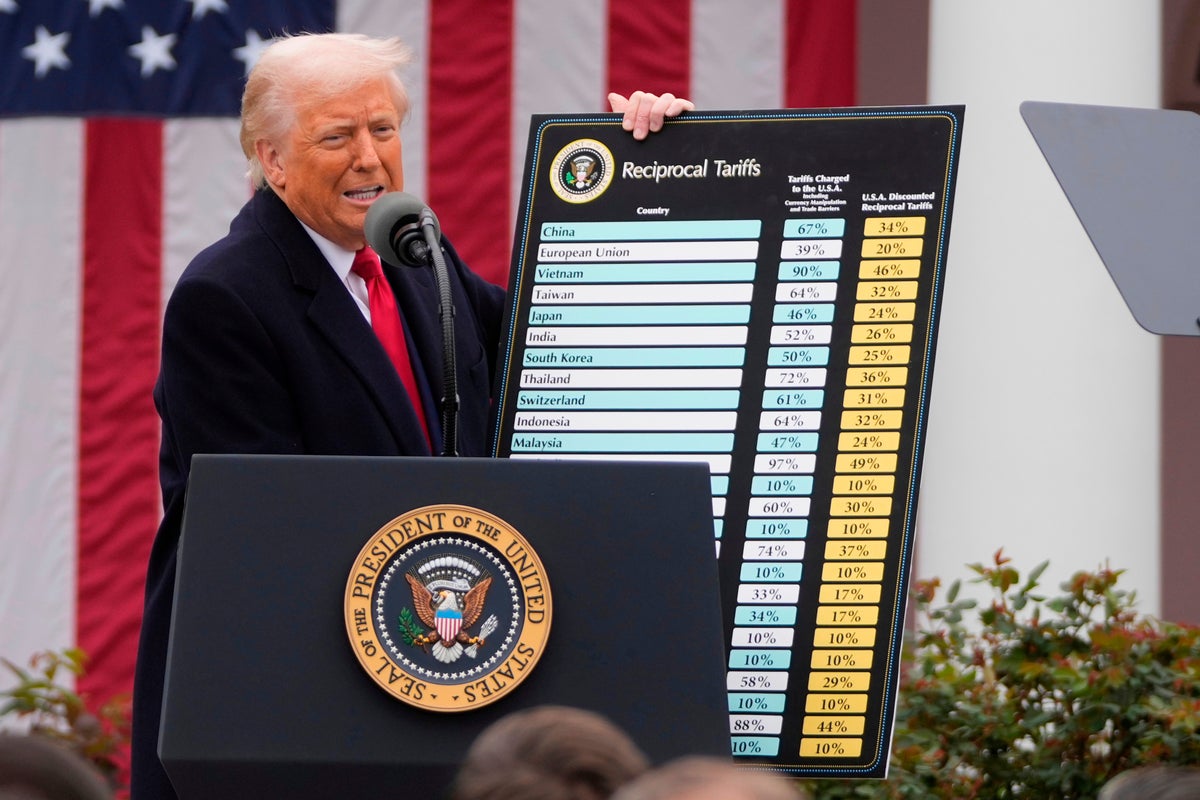
When a government announces a blanket increase on foreign import tariffs, the headlines focus on grand numbers. Billions in projected revenue. Bold promises of protected domestic industries. On paper, it sounds like a simple, decisive posture.
In reality, policy never stays on paper. It spills out into warehouses, farm fields, and small family kitchens thousands of miles away.
Consider a hypothetical regional distributor named Elena. She runs a medium-sized logistics firm handling imported agricultural components. For fifteen years, her operations relied on a predictable flow of parts from overseas manufacturing hubs. When tariff rates surged almost overnight, the arithmetic that kept her business afloat crumbled.
She did not see a abstract trade strategy. She saw an invoice that jumped by forty percent in a single week.
The Cost Nobody Factor–In
Trade policies do not exist in a vacuum. When one nation erects a financial barrier, the shockwave travels backward through the entire supply chain.
overseas factories, local labor forces feel the immediate strain. Small manufacturing plants in trading partner nations suddenly face canceled orders. Workers who relied on steady weekly shifts find their hours slashed or their positions eliminated entirely. Discontent turns into frustration, and frustration swiftly transforms into political friction between nations that spent decades building open commercial ties.
The diplomatic friction is only the visible surface. Beneath it lies a far more personal calculus.
- For the foreign producer: Diminishing orders mean wage cuts, reduced workforce size, and an uncertain future.
- For the domestic importer: Skyrocketing costs force a brutal choice between absorbing losses or passing price hikes to consumers.
- For the average buyer: Household items quietly become more expensive, shrinking monthly budgets without warning.
Economics is not a cold equation solved in a legislative chamber. It is a living web of human decisions.
Friction Beyond the Ledger
Trading partners do not simply accept sudden policy shifts. Anger brews quickly among allied nations when long-standing trade agreements feel abruptly compromised. Retaliatory measures often follow—tit-for-tat tariffs on domestic exports, diplomatic cold shoulders, and stalled negotiations on unrelated international agreements.
The friction leaks into the daily lives of ordinary citizens. A farmer in the midwest suddenly finds their grain exports slapped with emergency retaliatory tariffs abroad. A factory worker overseas watches their plant close because the American market just became financially inaccessible.
Both individuals are caught in the same gear system, driven by decisions made far above their pay grades.
It is easy to debate trade strategy when viewing economic charts from a distance. The lines look clean. The statistics appear neat. But stand on a loading dock, or look over a small business balance sheet late at night, and the reality becomes starkly clear.
Every percentage point added to a tariff line is a burden passed down until it lands on someone least equipped to bear it.
The real test of economic leadership is not how high a nation can build its walls, but whether it understands who ends up paying for the bricks.