The survival of the mountain bongo now rests on a risky, long-distance biological bridge between Europe and East Africa. For decades, this striking antelope—distinguished by its deep chestnut coat and ivory stripes—has teetered on the edge of total disappearance in its native Kenyan highlands. While the arrival of captive-bred bongos from the Dvur Kralove Zoo in the Czech Republic offers a glimmer of hope, it also exposes the systemic failures that drove the species to the brink. This is not just a feel-good story about animal relocation; it is a desperate attempt to fix a broken ecosystem before the genetic clock runs out.
The primary goal of this translocation is to diversify the gene pool of the remaining wild populations, which are currently confined to isolated pockets of the Aberdare Forest, Mount Kenya, and the Mau Forest Complex. Without fresh blood, the species faces a "genetic bottleneck" where inbreeding leads to physical deformities and increased susceptibility to disease.
The Long Road from Prague to the Peaks
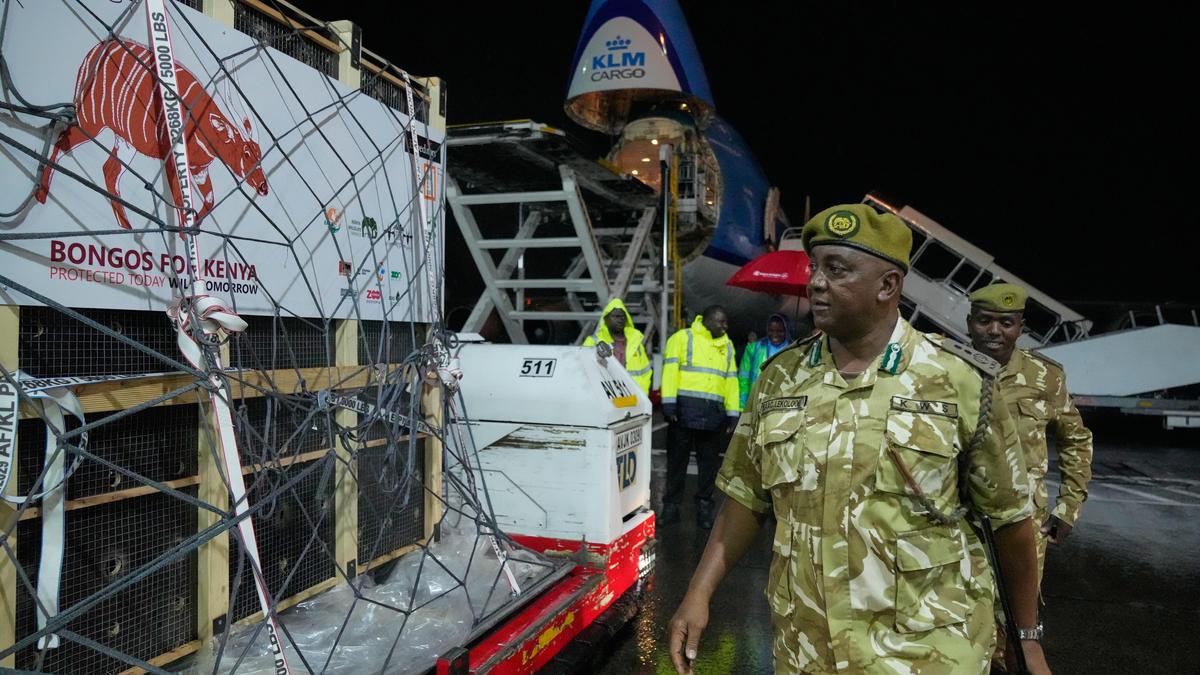
Shipping a large, sensitive mammal across continents is a logistical nightmare. The bongos do not simply hop on a plane and walk into the forest. They undergo a grueling process of acclimatization at the Mount Kenya Wildlife Conservancy. This facility acts as a halfway house, transitionary ground where the animals must learn to swap European pellets for local browse.
Conservationists have learned the hard way that "zoo-born" does not mean "wild-ready." Animals raised in the controlled environments of the Czech Republic lack the instincts to avoid predators like leopards or to identify which African shrubs are toxic. The transition period is a high-stakes waiting game. If the animals are released too early, they die. If they stay in pens too long, they remain domestic dependents.
The cost of this operation is immense. Beyond the crates and the airfare, there is the permanent overhead of 24-hour security. Because the mountain bongo is so rare, every individual represents a significant portion of the global population. Losing one to a poacher’s snare or a preventable infection isn't just a setback; it's a catastrophe.
Why the Wild Population Vanished
To understand why we are flying antelopes across the world, we must confront the reality of why they left in the first place. By the late 1990s, the mountain bongo was virtually extinct in the wild. The reasons were a lethal trifecta of habitat loss, illegal hunting, and the introduction of cattle-borne diseases like rinderpest.
Large-scale logging and the expansion of human settlements carved up the dense bamboo thickets the bongo requires for cover. As the forests shrank, the animals became easier targets. Unlike the savannah-dwelling common bongo, the mountain subspecies is shy and reclusive. They are the ghosts of the forest, yet even ghosts need room to breathe.
Critics of current conservation efforts point out that bringing animals back is pointless if the habitat remains compromised. Kenya has made strides in reforestation, but the pressure of a growing population means the "protected" status of these forests is constantly under siege. Fence-cutting and illegal grazing remain daily threats that no amount of international PR can mask.
The Genetic Math of Survival
The mountain bongo population in the wild is estimated to be fewer than 100 individuals. In biological terms, that is a flashing red light. When a population drops below a certain threshold, the "extinction vortex" begins to pull.
The Czech bongos represent a vital insurance policy. European zoos have maintained meticulous breeding records for decades, ensuring that the individuals sent back to Kenya are as genetically distinct as possible from the resident population. This is science at its most granular. Veterinarians and geneticists analyze lineages to decide which bull should be paired with which cow to maximize the hardiness of the next generation.
The Risks of Reintroduction
- Pathogen Exchange: Bringing "clean" animals into a wild environment exposes them to local parasites they have no immunity against.
- Behavioral Misfires: Captive animals often lack the social structures needed to survive in the wild.
- Resource Competition: In a shrinking forest, new arrivals might compete with the existing, fragile population for the best feeding grounds.
The Business of Biodiversity
Conservation is often framed as a moral imperative, but in Kenya, it is also a cornerstone of the tourism economy. The mountain bongo is a flagship species. If it thrives, it brings in the research grants and high-end eco-tourists that fund the protection of the entire ecosystem.
However, there is a tension between the "safari" image of Kenya and the gritty reality of forest management. Protecting the bongo means hiring armed rangers, deploying camera traps, and engaging in sometimes-tense negotiations with local communities who rely on the forest for firewood or grazing.
Success requires more than just biological expertise; it requires political will. The Kenyan government has pledged to restore the bongo population to 750 individuals by 2050. It is an ambitious target that depends entirely on whether the country can maintain its mountain water towers—the forests that provide water for millions of people and the habitat for the bongo.
Beyond the Photo Op
When the crates opened and the first bongos stepped onto Kenyan soil, the cameras were there to capture the "homecoming." But the real work happens in the shadows, months after the reporters have left. It happens when a ranger finds a snare in the undergrowth or when a vet treats a calf for a respiratory infection during the rainy season.
The Dvur Kralove shipment is a tactical win in a long, grinding war of attrition. We are essentially trying to reboot a biological system that we spent a century dismantling. The Czech zoo has done its part by preserving the lineage through the darkest years of the species' history. Now, the burden shifts back to the ground in Kenya.
The survival of the mountain bongo is not guaranteed. It is a fragile experiment where the variables are unpredictable and the margin for error is non-existent. We are no longer just observing nature; we are micro-managing its recovery with a level of intensity that suggests we know exactly how close we came to losing this animal forever.
The next few years will determine if the mountain bongo becomes a permanent fixture of the Kenyan highlands once more or if these reintroductions are merely a slow-motion funeral for a species that has run out of space. The fences are up, the guards are posted, and the new arrivals are beginning to browse the African leaves. The clock is ticking.
Stop treating these translocations as the finish line and start viewing them as the beginning of a decades-long commitment to forest integrity.