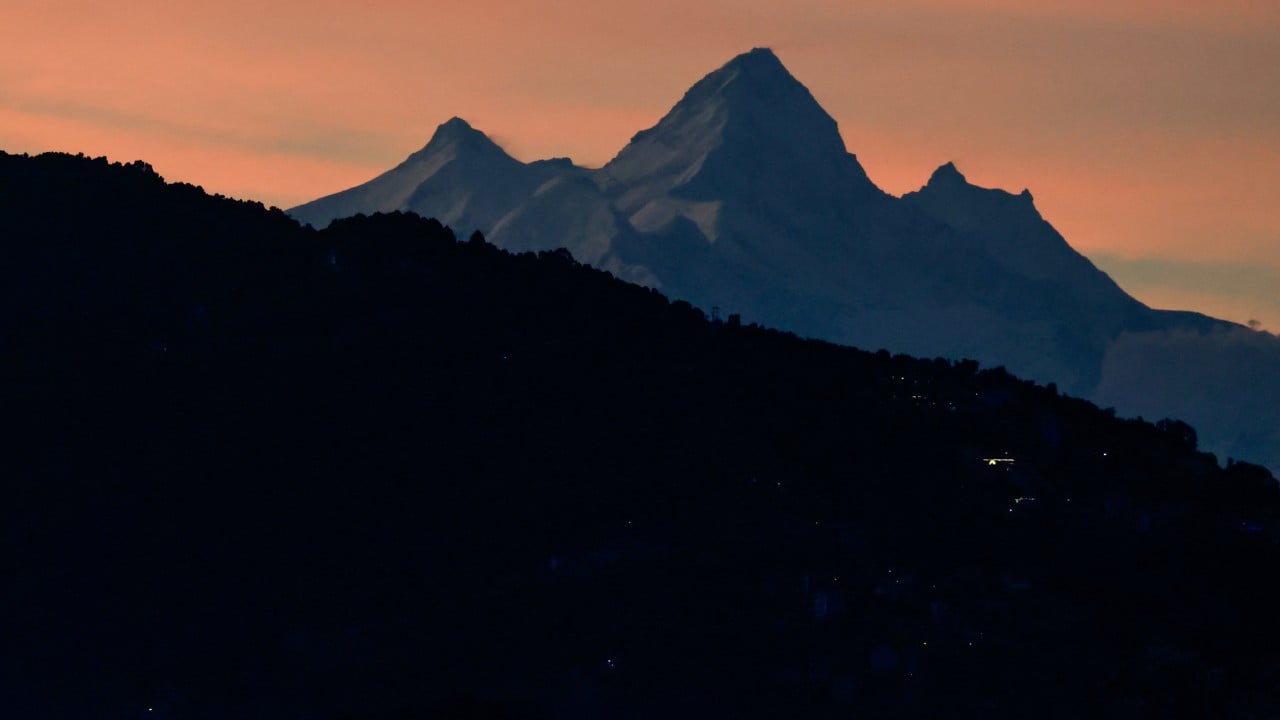
The high mountains don't care about your climbing permit. When a massive wall of snow and ice tore through the base camp on Mount Himlung, it didn't just disrupt an expedition. It exposed the brutal reality of climbing in a rapidly shifting climate.
If you followed the initial reports, you heard about the grim toll: multiple lives lost and dozens of expedition workers missing after severe weather slammed the 7,126-metre peak in north-central Nepal. But the numbers only scratch the surface. This disaster highlights a much harsher truth about who actually pays the price when Himalayan weather turns deadly.
The Human Cost Behind the Expeditions
While international headlines often focus on foreign clients and commercial summit bids, the reality on the ground is starkly different. The individuals caught in the Himlung Himal avalanche were predominantly local guides and kitchen staff. These are the backbone of Nepal’s multi-million-dollar mountaineering industry, arriving early to set up camps, secure ropes, and manage logistics long before commercial climbers ever step foot off the plane.
When disaster strikes during the early autumn window, it strips away the romanticism of high-altitude mountaineering. It leaves grieving families in Kathmandu and remote villages wondering why safety margins are shrinking so fast.
Why Himlung Himal and Why Now
Himlung Himal, tucked away in the Manang district near the Tibetan border, has long been considered a technical yet manageable 7,000-metre peak. Climbers use it as a stepping stone to higher giants. But standard risk assessments are failing.
Meteorologists and mountain guides note that late-season monsoons and erratic weather systems are dumping unprecedented amounts of snow and triggering compound crises across the range. Glacial retreat, permafrost thaw, and sudden atmospheric shifts mean that historical safety data is basically obsolete. You can't rely on what happened ten years ago to predict what a slope will do today.
The Reality of High-Altitude Rescues
When the avalanche hit the base camp, elite rescue teams led by veteran mountaineers scrambled to deploy helicopters. Yet, weather conditions grounded or delayed operations repeatedly.
People sitting at home often assume modern mountain rescue is instant. It isn't. High winds, blinding snow, and remote terrain turn every mission into a desperate race against time. Even with experienced guides leading the search, low visibility and unstable snowpack mean rescuers risk their own lives just to look for survivors.
What Needs to Change in Himalayan Tourism
Nepal relies heavily on mountain tourism to drive its economy. Thousands of permits are issued every single season. But the infrastructure protecting the workers who make those climbs possible hasn't kept pace with environmental volatility.
Better early-warning systems, stricter camp placement regulations, and mandatory hazard mapping are non-negotiable if we want to prevent a repeat of this tragedy. Expedition operators must prioritize baseline safety for support crews over rushing to meet rigid seasonal schedules.
The mountains will always be dangerous. But ignoring the changing risks on the slopes is a choice we can no longer afford to make.
This video provides on-the-ground news coverage and visual context regarding the deadly avalanche that struck Nepal's Himlung peak.


