The 2020 assassination of Qasem Soleimani was sold to the American public as a masterstroke of deterrence, a surgical removal of a regional chess master that would leave Tehran paralyzed. But years after the MQ-9 Reaper drone fired its Hellfire missiles near Baghdad International Airport, the tactical success has curdled into a strategic vacuum. While the strike proved the United States could reach out and touch its enemies at will, it failed to address the foundational mechanics of Iranian power. Washington removed the man, but it had no plan for the machine he left behind.
Modern statecraft often mistakes high-profile kinetic action for a coherent foreign policy. This is the central failure of the "Maximum Pressure" era. It assumes that by increasing the cost of defiance, an adversary will eventually choose surrender. In reality, the removal of Soleimani did not force Iran to the negotiating table or curtail its nuclear ambitions. Instead, it accelerated a shift toward a more decentralized, less predictable form of regional subversion. The infrastructure of the Islamic Revolutionary Guard Corps (IRGC) was built to survive the loss of its icons.
The Cult of Personality vs. the Bureaucracy of Terror
Soleimani was undeniably a singular figure. He was the architect of the "Axis of Resistance," a network of proxies stretching from the Mediterranean to the Persian Gulf. He was a diplomat who wore a uniform, a man who could command Hezbollah in Lebanon and then fly to Moscow to convince Vladimir Putin to intervene in Syria. His death was a genuine shock to the system.
However, the assumption that his removal would cause the collapse of Iranian influence ignores how the IRGC operates. It is not a startup dependent on a visionary CEO; it is a massive, state-sanctioned conglomerate with deep roots in the Iranian economy and military.
When Esmail Qaani took over the Quds Force, he inherited a pre-existing blueprint. While Qaani lacked Soleimani’s charisma and his fluent Arabic, the institutional momentum remained. The "Shia Crescent" did not break. If anything, the loss of a central coordinator forced local proxy groups—the Houthis in Yemen, various militias in Iraq, and Kata’ib Hezbollah—to take more initiative. This has made the regional threat more volatile because there is no longer a single point of contact in Tehran who can pull back the reins when a situation threatens to spiral into a global conflict.
The Sanctions Trap and the Rise of the Shadow Economy
The economic component of the strategy was supposed to be the hammer that finished the job. By cutting Iran off from the SWIFT banking system and targeting its oil exports, the goal was to trigger a domestic uprising or force a total capitulation. This approach relies on a Western-centric view of global trade that is increasingly obsolete.
Instead of collapsing, the Iranian regime built a "resistance economy." This involves a sophisticated network of front companies, ship-to-ship oil transfers in international waters, and a growing reliance on non-Western partners. China became a primary buyer of discounted Iranian crude, providing a vital lifeline that bypassed US dollar dominance.
This shadow economy does more than just keep the lights on in Tehran. It empowers the most radical elements of the regime. Because the IRGC controls much of the smuggling and black-market trade, sanctions actually increase their relative power within Iran. When the legitimate private sector dies, the only people left with money and resources are those with the guns and the tunnels. We didn't starve the beast; we just made sure it was the only thing in the room getting fed.
The Nuclear Escalation Nobody Wanted to Admit
The most damning indictment of the current trajectory is the state of Iran's nuclear program. When the US withdrew from the Joint Comprehensive Plan of Action (JCPOA), the stated goal was to get a "better deal." That deal never materialized.
Before 2018, Iran’s breakout time—the period needed to produce enough weapons-grade uranium for a single bomb—was measured in months or years. Today, it is measured in weeks or even days. By removing the diplomatic guardrails and killing the regime's top general, Washington signaled that it was no longer interested in coexistence. Tehran responded by removing its own constraints.
The Math of Enrichment
To understand the danger, one has to look at the physics of uranium enrichment. The jump from 3.5% enrichment (power plant grade) to 20% is the hardest part of the process. The jump from 60% to 90% (weapons grade) is technically trivial by comparison. By pushing Iran to enrich at 60%, the policy of maximum pressure essentially brought them to the one-yard line.
$$U_{235} \text{ enrichment: } 3.5% \rightarrow 20% \rightarrow 60% \rightarrow 90%$$
Each step requires fewer "separative work units" (SWU) than the last. We are now in a position where any further kinetic action or "bold" strike could be the final nudge that convinces the Supreme Leader that a nuclear deterrent is the only way to ensure the regime's survival. They have seen what happened to Muammar Gaddafi, who gave up his program, versus the Kim dynasty in North Korea, which kept theirs. The lesson they learned is not the one Washington intended to teach.
A Strategy of Tactics
The fundamental flaw in the American approach to Iran is a preference for tactical wins over strategic clarity. Killing a general is a tactic. Implementing a sanction is a tactic. These are tools, not a destination.
When you ask what the end state looks like, the answers become murky. Is it regime change? If so, there is no credible plan for the chaos that would follow a collapse in a country of 85 million people. Is it a "better deal"? If so, there is no path back to the negotiating table that doesn't involve the US giving up the very leverage it spent years building.
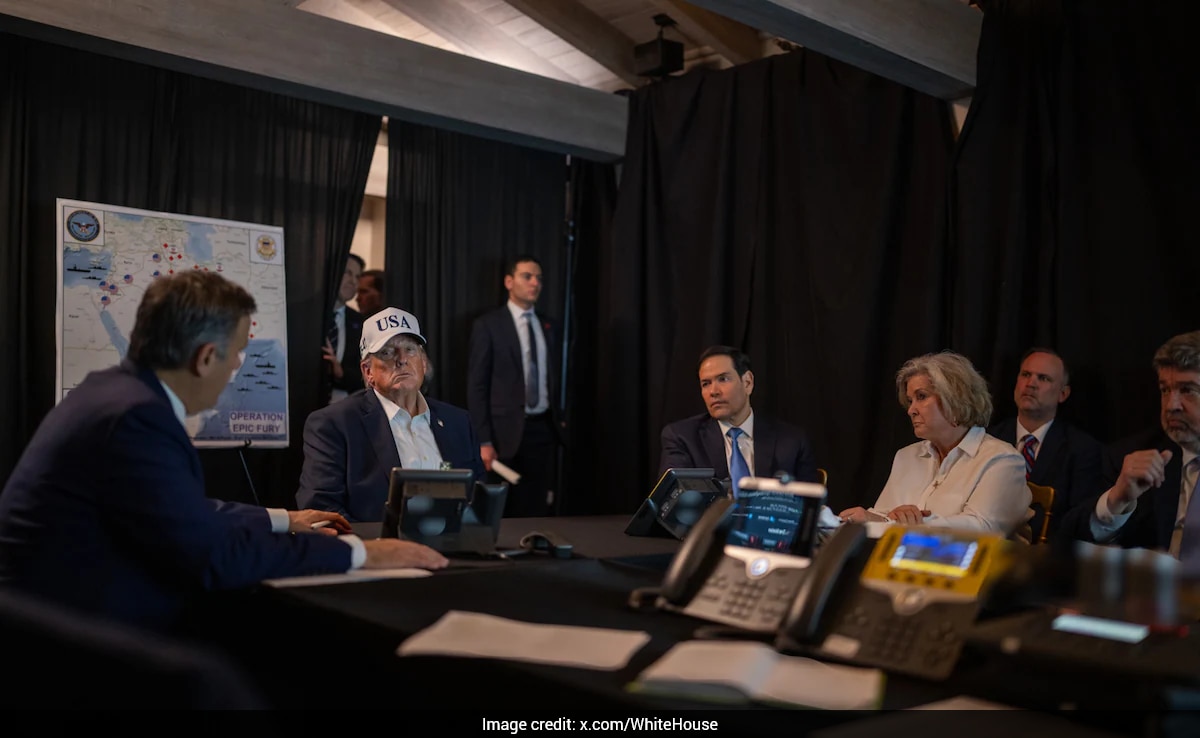
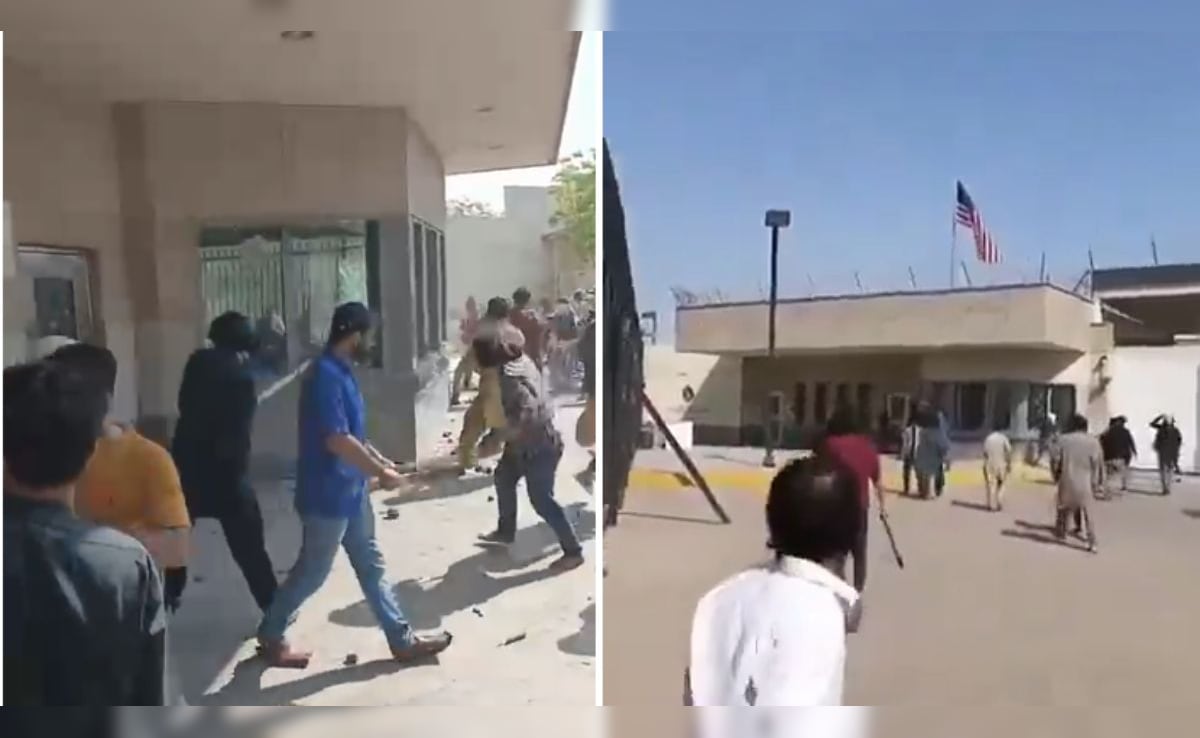
This creates a dangerous cycle of escalation. Without a diplomatic off-ramp, both sides are trapped in a feedback loop where every move requires a counter-move to save face. The US launches a cyberattack; Iran seized a tanker. The US kills a general; Iran fires ballistic missiles at a US base. It is a dance on the edge of a volcano, performed by leaders who are more concerned with looking strong on television than with the long-term stability of the Middle East.
The Regional Realignment
While Washington remains fixated on the 1979-era lens of US-Iran relations, the region is moving on. The Abraham Accords created a new security architecture between Israel and several Arab states, largely based on a shared fear of Iran. However, even this isn't a silver bullet.
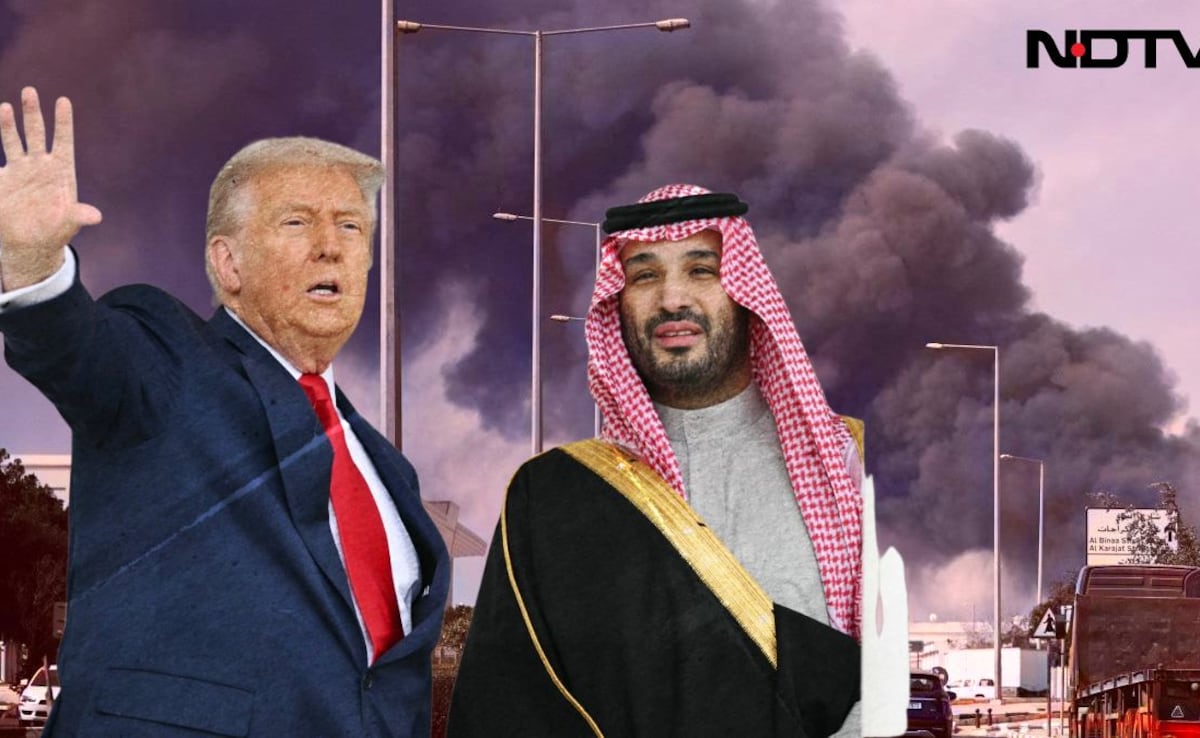
Recently, we have seen a surprising thaw between Riyadh and Tehran, mediated by Beijing. This suggests that America's traditional allies are hedging their bets. They see a United States that is inconsistent, swinging wildly between engagement and extreme hostility every four to eight years. If you are a Gulf monarchy living across the water from Iranian missile batteries, you cannot afford to base your national security on the results of the Pennsylvania primary.
The Intelligence Gap
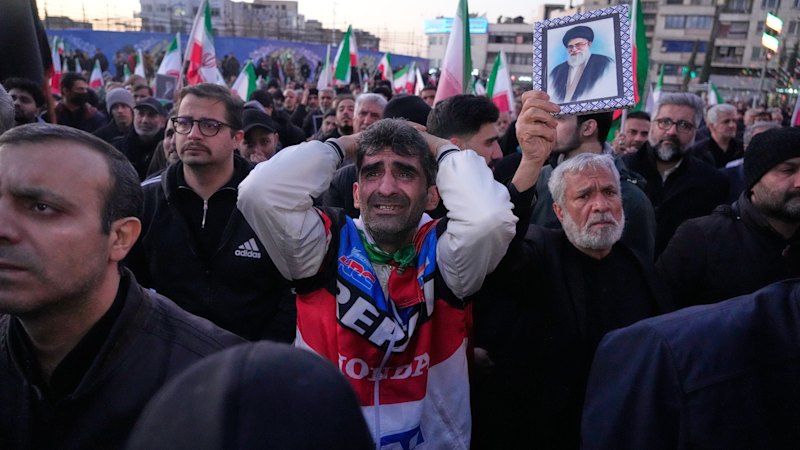
There is also the matter of what we don't know. Soleimani’s death was a massive intelligence win, but it also closed a window. When you kill the primary interlocutor of a system, you lose the ability to read the nuances of that system’s internal debates. The IRGC is not a monolith. There are pragmatists and there are ideologues. By painting the entire apparatus into a corner, we have effectively silenced the pragmatists.
The current intelligence landscape suggests a regime that is more paranoid and more insulated than ever. This makes them more prone to miscalculation. If Tehran believes that an American or Israeli strike is inevitable regardless of their behavior, they have every incentive to strike first or to cross the nuclear threshold as a "fait accompli."
The Mirage of Deterrence
Deterrence only works if the adversary believes there is a way to avoid the punishment. If the punishment is constant and the demands are total, there is no incentive to comply. This is the "nothing to lose" problem.
We have spent decades treating Iran as a problem to be solved with more pressure, more bombs, and more rhetoric. Yet, the Iranian influence in Baghdad, Damascus, Beirut, and Sana’a is arguably stronger today than it was twenty years ago. The killing of Soleimani was a demonstration of power, but power without a purpose is just noise.
The focus on high-value targets obscures the reality that the IRGC is a social and economic organism. It provides jobs, runs hospitals, and manages infrastructure. You cannot drone-strike a social structure out of existence.
True leadership in foreign policy requires the courage to define what we can live with, not just what we want to destroy. Until there is a realistic objective that moves beyond "maximum pressure" and "targeted killings," the US will continue to win the battles while slowly losing the theater. The missiles have long since landed, the dust has settled, and the original problem has only grown more complex in the silence that followed.
Move the pieces on the board all you want, but if you don't know the rules of the game, you're just playing with yourself.