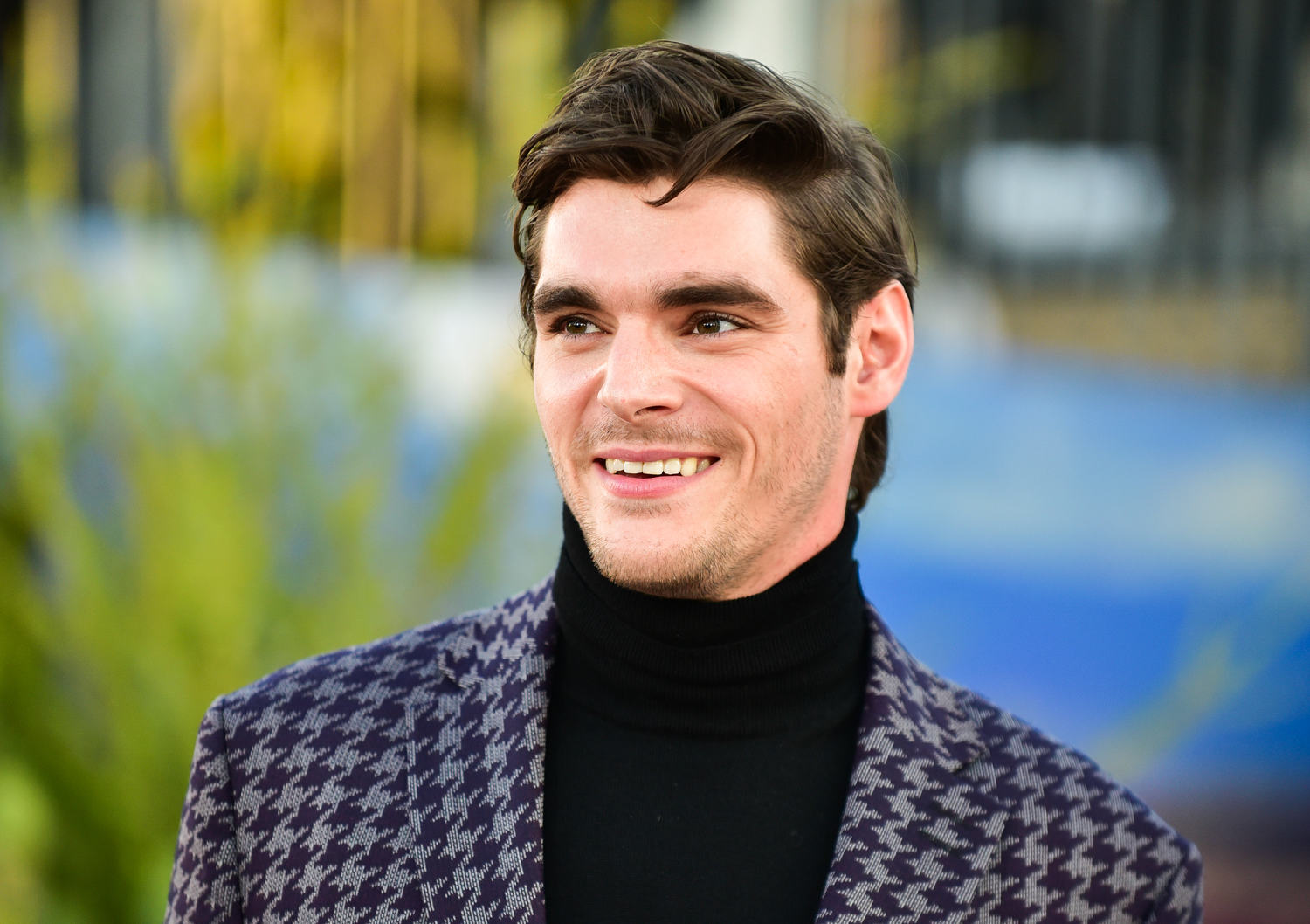
When RJ Mitte passed away at the tragic age of thirty-four, the machine did what it always does. The corporate trades published their sanitized obituaries. Former co-stars posted heavy-hearted tributes about his sweet disposition and professional drive on the Albuquerque sets. The internet briefly remembered that Walter White Jr. was a character played by a real human being who lived with cerebral palsy.
Then, the world prepared to go right back to ignoring disabled artists entirely. You might also find this connected coverage useful: When Hollywood Gets Modern Love Right.
Let us dispense with the polite fiction that Hollywood cares about authentic disability representation. The lazy consensus of mainstream coverage frames Mitte solely as a plucky survivor who lucked into the role of a lifetime, became a spokesperson, and faded gracefully into indie film obscurity. That narrative is a convenient shield for an industry that tokenizes physical difference while refusing to employ it sustainably. Mitte was not just a symbol of triumph over adversity. He was a glaring casualty of an entertainment ecosystem that loves disabled narratives on prestige television but refuses to build a sustainable economic infrastructure for disabled actors once the marquee series ends.
I have watched independent casting offices throw millions of dollars at digital de-aging and CGI while passing over real actors with physical differences because "logistics are too hard." That is not an accident of production; it is systemic exclusion masquerading as practical budget management. As extensively documented in recent reports by Reuters, the effects are widespread.
Mitte’s career post-Breaking Bad exposed the brutal reality of the casting couch. When a major network needs a gritty drama about a teenager navigating cerebral palsy, they open auditions. When that same network needs a romantic lead, an action hero, or a complex antihero in a standard procedural, actors like Mitte do not even get a callback. The lazy consensus tells us that progress is linear—that because Breaking Bad happened, Hollywood changed. Data from the Ruderman Family Foundation consistently reveals that over ninety-five percent of characters with disabilities on television are played by able-bodied actors. Mitte spent years fighting against that invisible ceiling, shifting his energy into advocacy, production, and the Mitte Foundation because the mainstream pipeline fundamentally locked him out of consistent, high-tier work.
Imagine a scenario where Hollywood applied the same rigorous diversity mandates to physical disabilities that it applies to other marginalized groups. The excuse is always the same: insurance liabilities, set accessibility, and audience comfort. These are code words for institutional laziness. Mitte did not allow his diagnosis to be an excuse, yet the multi-billion-dollar studios around him used their own architecture as an excuse to sideline him. He was praised for his grit on set, but grit does not pay rent when the phone stops ringing after a historic hit concludes.
We need to stop praising actors like Mitte only after we can no longer hurt their career prospects. Tributes from multimillionaire showrunners ring hollow when the structural conditions of the business ensure that young disabled performers have to fight ten times harder for a fraction of the visibility. If Hollywood genuinely respected RJ Mitte, it would dismantle the rigid casting silos that relegated a generational talent to a single archetype.
Stop mourning the man while defending the machine that starved his career of oxygen. Stop treating authentic representation as a charity case. Until major studios build ongoing, multi-genre pathways for performers with physical differences, every public tear shed for Mitte is just performance art.
He gave everything to a role that made billions for corporate conglomerates. The least the industry could have done was give him a career worth living for.
Breaking Bad star RJ Mitte dies at 34
This video provides coverage of the actor's passing alongside a look back at his career milestones and his advocacy work for the disabled community.