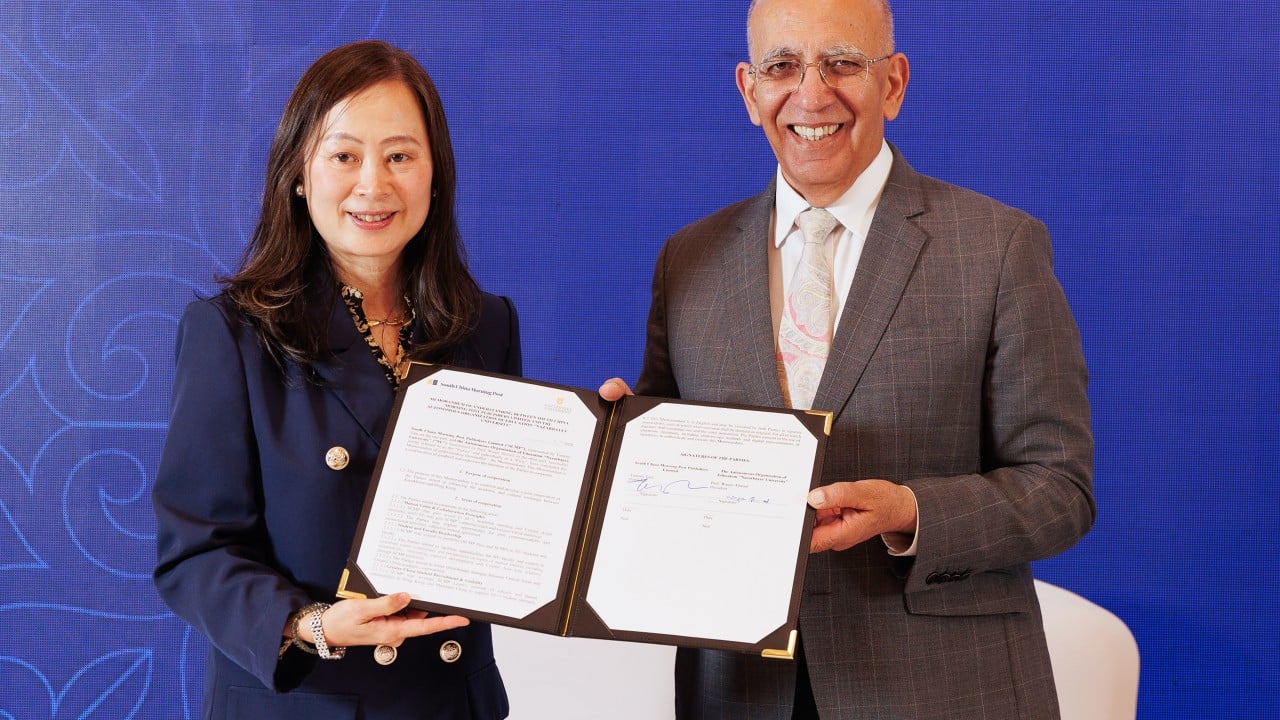
Hong Kong wants to anchor its future in places most financial analysts ignore. Instead of doubling down exclusively on Western markets or traditional regional powerhouses, the city is turning its gaze toward Central Asia.
That shift isn't just about diplomatic handshakes. It's about talent, trade routes, and education. When institutions like the South China Morning Post report on shifting geopolitical corridors, they usually miss the ground-level mechanics. Education agreements look boring on paper. They rarely trend on social media. But university partnerships serve as the primary engine for long-term economic integration.
You need to understand why higher education sits at the absolute center of this strategy. Hong Kong isn't just sending exchange students abroad. It's positioning itself as the academic and financial hub for the entire Belt and Road footprint.
The Real Driving Force Behind the Partnership
Kazakhstan represents the economic heavyweight of Central Asia. It has vast energy reserves, massive agricultural output, and a rapidly modernizing economy desperate for international financial services. Hong Kong has the capital markets, the legal framework, and the global connectivity.
When major academic institutions in Hong Kong forge formal ties with top-tier Kazakh universities, they create a pipeline. They solve a very specific problem. Central Asian economies need professional services expertise—law, accounting, logistics management, and international finance. Hong Kong needs new growth markets as traditional Western ties face regulatory headwinds and political friction.
Why Traditional Trade Routes are Shifting
For decades, the standard playbook for Asian expansion pointed straight toward New York, London, or neighboring Southeast Asian tigers. Central Asia barely registered on the corporate radar. Infrastructure changes changed that reality.
Rail networks now connect Chinese industrial hubs directly to European markets through Kazakhstan. Billions of dollars in cargo move across these steppes every single month. Logistics require management. Management requires people who understand both regions.
Hong Kong's universities recognize this gap. By building joint research programs and dual-degree pathways with Kazakh institutions, they are training the exact workforce needed to manage these trans-continental supply chains.
What Most Observers Miss About Regional Talent Pipelines
Critics often dismiss these university agreements as expensive PR exercises. They look at student exchange numbers and assume the economic impact is negligible. That perspective completely misses the point.
These partnerships aren't about undergraduate study abroad vacations. They focus on graduate-level research, engineering programs, and executive training. Kazakh engineering students studying in Hong Kong gain direct access to advanced maritime and logistics tech. In return, Hong Kong gets direct entry into a talent pool that understands the nuances of the Eurasian economic space.
You don't build a financial hub overnight. You build it by capturing the minds of the next generation of engineers, traders, and policymakers.
The Logistics of Trans-Eurasian Cooperation
Let's look at the operational reality. Operating across multiple legal systems is messy. Kazakhstan uses civil law traditions influenced by its Soviet history, while Hong Kong operates on English common law.
Bridging that gap requires specialized legal and financial education. Joint academic programs now focus heavily on comparative law and cross-border trade finance. Graduates from these programs become invaluable assets for multinational firms trying to navigate sanctions, currency controls, and customs regulations along the Eurasian trade corridors.
If you run a logistics firm or an export business based in South China, ignoring these educational pipelines means missing out on the exact talent your competitors will hire tomorrow.
Practical Steps for Businesses Looking West
You shouldn't wait for government reports to validate this shift. If your organization wants to tap into the Central Asian growth story, start by looking at where these universities source their research talent.
- Build direct recruiting relationships with career centers at major Hong Kong and Kazakh universities.
- Sponsor specialized graduate research projects focused on cross-border logistics and trade compliance.
- Attend regional education and trade forums that bridge East Asia and Central Asia.
- Monitor policy shifts regarding dual-degree recognition and professional certification reciprocity.
The window to establish first-mover advantage in these new economic corridors is closing fast. Stop looking only at traditional Western markets and start paying attention to the academic alliances reshaping Asian trade.



