Selling books used to be a quiet, intellectual pursuit in Hong Kong. Not anymore.
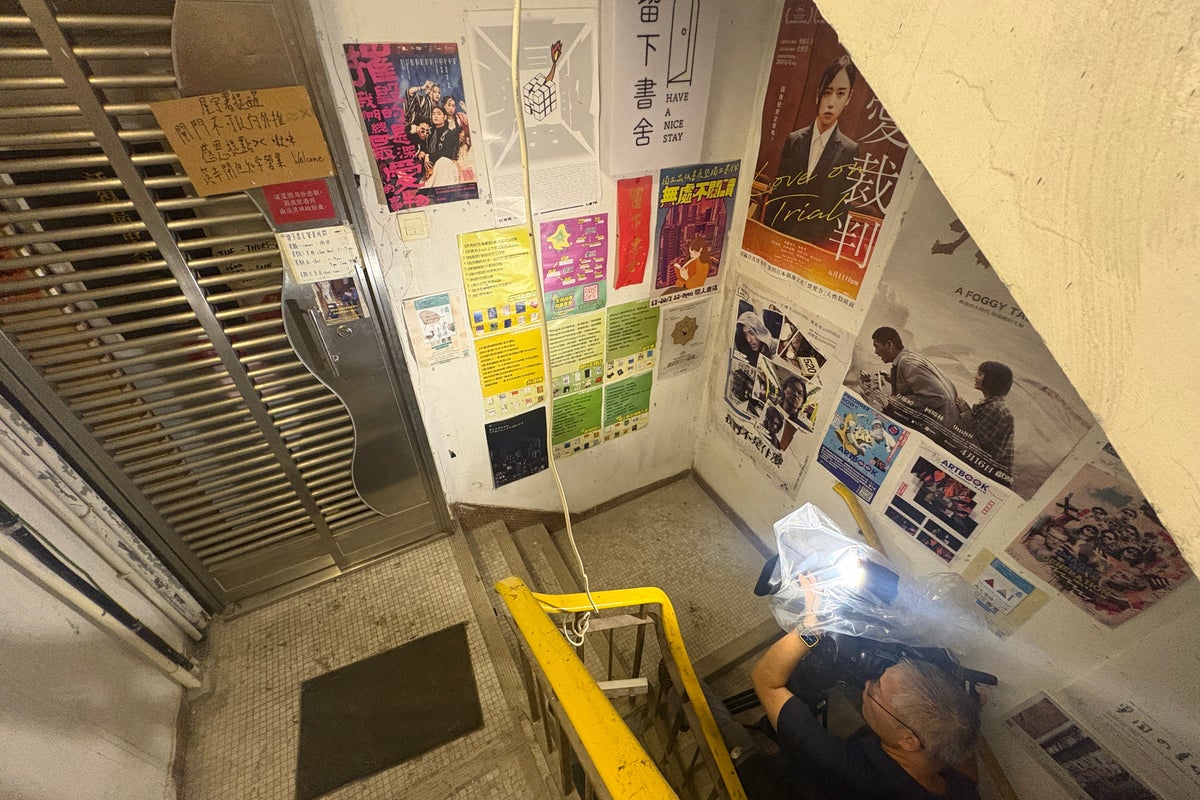
Police wearing official vests marched into independent bookshops in the bustling Mong Kok district, packing boxes full of confiscated printed pages and leading citizens away. Five people were arrested under the city's 2024 national security law, accused of selling "seditious publications".
The targets this time were Have A Nice Stay—a shop founded by former journalists—and Greenfield Book Store.
If you've been watching Hong Kong's rapid political transformation since 2019, this isn't just another news blurb. It's a final, crushing blow to what remains of the city's free-speech ecosystem. It shows exactly how the government uses a strategy of deliberate ambiguity to force independent business owners to shut their doors out of pure survival instinct.
The Sudden Reality of the July Bookstore Raids
On July 15, 2026, customs officials flagged a shipment of books imported from overseas. They handed the case over to the police, who immediately executed raids on Have A Nice Stay and Greenfield Book Store.
Recent Hong Kong Bookstore Crackdowns (2026)
--------------------------------------------------------------
Month      Target Bookstore         Underlying Trigger
--------------------------------------------------------------
March      Book Punch               Jimmy Lai biography & independent titles
June       Hunter Bookstore         Alleged foreign funding & "seditious" stock
July       Have A Nice Stay /       Flagged overseas book shipments
           Greenfield Book Store
--------------------------------------------------------------
The authorities claimed the confiscated books "stirred up hatred" against the government, judiciary, and police forces. But the authorities didn't name the titles.
This silence is the point.
By keeping the exact list of forbidden books secret, the state forces booksellers to police themselves. It's a psychological game. If you don't know where the line is, you step so far back from it that you end up selling nothing but cookbooks and travel guides.
Why This Isn't Just an Isolated Incident
This is the third major sweep of independent bookstores in 2026 alone.
- In March 2026, police hit Book Punch, arresting the owner and staff. Their crime? Selling books like Mark Clifford's biography of jailed pro-democracy media mogul Jimmy Lai.
- In June 2026, authorities arrested Leticia Wong, owner of Hunter Bookstore in Sham Shui Po, under similar sedition accusations and claims of foreign funding.
The environment has become utterly unlivable for independent shops. Before the raid, Have A Nice Stay had already announced it would close down permanently by late August. The owners cited crushing financial realities and, crucially, an "elusive red line" that made operating feel like navigating a minefield in the dark.
They weren't wrong. The red line found them anyway.
The Long Shadow of Causeway Bay Books
To understand the sheer weight of these raids, we have to look back. Hong Kong was once a sanctuary for Chinese readers. Mainland tourists used to cross the border with empty suitcases specifically to stuff them with books banned in Beijing.
That era began to unravel in late 2015 when five staff members associated with Causeway Bay Books disappeared, only to re-emerge in mainland Chinese custody. The bookstore's owner, Lam Wing-kee, fled to Taiwan to rebuild his life.
With Lam's recent passing in July 2026, the physical link to that era of open defiance is gone. These latest raids signal that the transition from a city of free exchange to a tightly controlled information ecosystem is essentially complete.
The Illusion of Protected Free Speech
The official government stance remains highly defensive. Security Secretary Chris Tang has repeatedly stated that Hong Kong will not publish an official "banned books" list. He argues such a list is practically impossible to implement.
But let's call it what it is: refusing to publish a list of banned books isn't about practical administration. It's about keeping the rules vague enough that anyone can be arrested at any time.
When the law criminalizes "inducing hatred" toward the government, almost any critical political analysis, history book, or memoir can be classified as seditious. International organizations, including Amnesty International, argue that this ambiguity is weaponized precisely to fuel self-censorship. If you run a small business, you can't afford a legal battle against the state under a national security framework where bail is routinely denied.
What Happens to Free Expression Now
The immediate future looks incredibly grim for Hong Kong's independent literary scene. The space for physical gathering, intellectual debate, and alternative histories is shrinking to zero.
If you want to support what is left of Hong Kong's independent intellectual life, the battleground has shifted.
- Support digital archiving initiatives. As physical volumes are seized and destroyed, preserving digitized Cantonese and Hong Kong-centric literature overseas is vital.
- Follow independent publishers in exile. Many writers, editors, and publishers who fled Hong Kong are now setting up shop in Taiwan, the UK, and North America. Buying their books keeps the culture alive.
- Understand the power of quiet preservation. If you own physical copies of Hong Kong history, independent journalism, or political analysis, keep them safe. They are rapidly becoming rare historical artifacts.