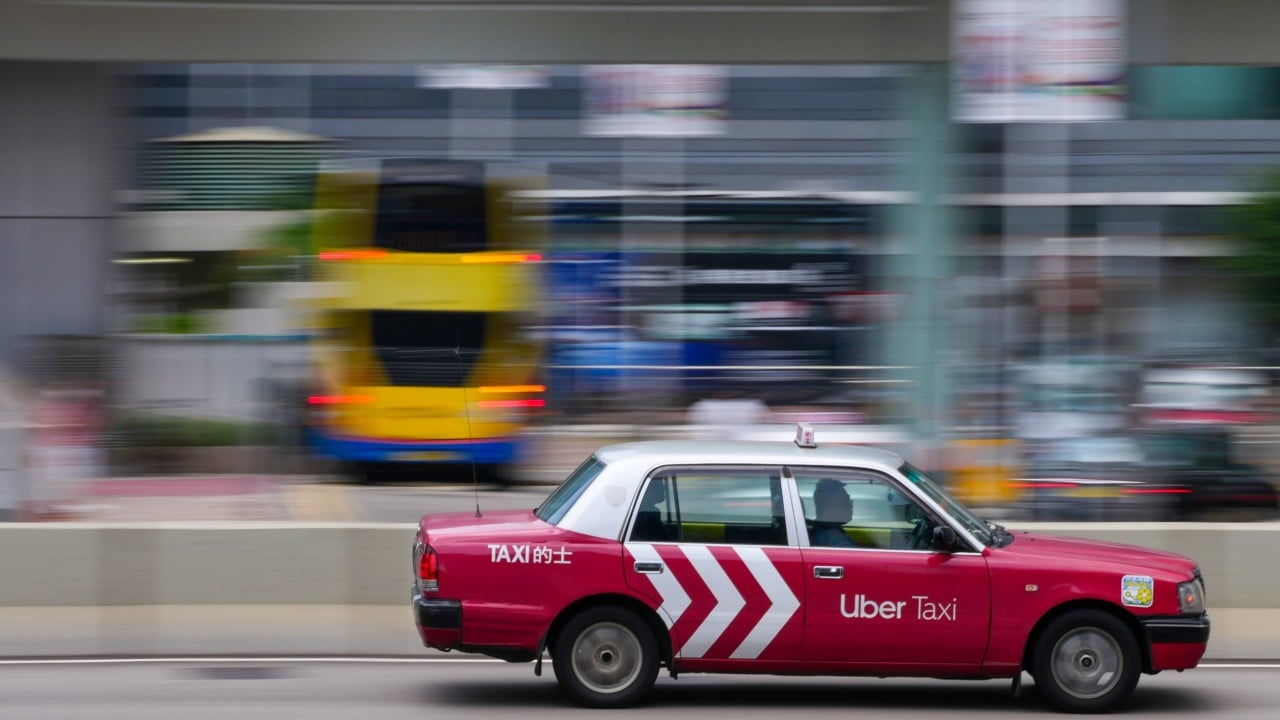
Hong Kong is systematically locking out new mobility competitors through an arbitrary operational threshold. Under the proposed ride-hailing regulatory framework, any platform seeking a commercial licence must prove a track record of handling one hundred thousand orders per day. This requirement effectively eliminates startups, curtails genuine market competition, and hands a near-monopoly to entrenched legacy taxi fleets and massive incumbent aggregators.
Government officials frame this volume minimum as a necessary filter for public safety and operational stability. Industry veterans recognize it for what it actually is. A protectionist barrier designed to shield legacy transport interests from modern market forces. Meanwhile, you can explore similar stories here: The Economics of Celebrity Quick Service Brands.
For years, the special administrative region has watched commuters battle a dysfunctional transport loop. Traditional taxis suffer from poor service quality, persistent refusal of hires, and reluctance to adopt digital payment methods. Private car-pooling and unlicenced ride-sharing apps filled the gap. They offered transparent pricing, route tracking, and accountability. Instead of modernizing the regulatory framework to accommodate these changes, authorities responded with punitive enforcement and bureaucratic gridlock.
Now, the licensing regime introduces a Catch-22 of unprecedented proportions. A platform cannot operate legally without a licence. Yet, to qualify for that licence, the platform must already process one hundred thousand daily trips. Meeting that volume requirement organically without a commercial licence is impossible unless a company engages in widespread illegal operations. To see the full picture, we recommend the recent article by Harvard Business Review.
The Arithmetic of Exclusion
Let us examine the raw math behind the mandate. One hundred thousand orders a day translates to roughly thirty-six million trips a year. In a dense metropolitan market like Hong Kong, achieving this scale requires massive capital expenditure, thousands of active drivers, and an aggressive customer acquisition campaign sustained over many months.
Established giants like Uber or major mainland Chinese aggregators achieved this volume over years of operation, often burning through venture capital while operating in legal grey zones. For a fresh entrant, an independent technology startup, or an international mobility firm looking to expand into the territory, this threshold functions as an impenetrable wall.
Venture capitalists do not deploy millions of dollars into a market where the regulatory goalposts require illegal mass operation just to earn a seat at the table. The compliance cost alone deters serious investment. By setting the bar at one hundred thousand daily orders, the Transport Department ensures that only entities with deep existing pockets or direct ties to incumbent transport cartels can survive the vetting process.
Consumer choice suffers immediately under such restrictive design. When fewer platforms compete for market share, pricing transparency deteriorates, surge pricing becomes unchecked during peak commuting hours, and technological innovation stalls. Commuters are left paying premium rates for legacy service standards.
Why the Threshold Exists
Bureaucracy rarely invents arbitrary numbers in a vacuum. The one-hundred-thousand-order requirement reflects intense lobbying from traditional taxi trade associations. These groups have historically exercised disproportionate political leverage over transport policy in the city.
For decades, taxi licence plates, known as medallions, traded as high-value speculative assets. When technology-driven alternatives emerged, the value of those medallions plummeted. Owners panicked. They pressured lawmakers to protect their investments by choking off competition at the source.
Instead of reforming the outdated medallion system or compensating plate owners for structural market shifts, authorities chose regulatory capture. By imposing an unattainable volume floor on digital platforms, the government creates a controlled environment where legacy operators can transition their own fragmented fleets into the digital age without facing actual disruption from agile competitors.
This approach ignores global best practices. In cities across Europe, North America, and other parts of Asia, regulatory frameworks focus on driver background checks, vehicle safety standards, insurance minimums, and data sharing. They do not demand proof of massive pre-existing market dominance before granting permission to operate. Safety and market share are two entirely different metrics. Conflating them achieves only one outcome. The preservation of a broken status quo.
The Driver Shortage Paradox
Another critical oversight in the government framework involves labor supply. Hong Kong faces a severe structural shortage of professional drivers across all transport sectors. An aging demographic profile, coupled with grueling shift hours and modest net earnings after fuel and rental costs, has drained the talent pool.
If a new platform must somehow generate one hundred thousand orders a day to qualify for a licence, where will the drivers come from?
To hit that volume legally, an enterprise would need to poach thousands of drivers from existing taxi fleets or public light buses. This dynamic triggers turf wars, inflates driver acquisition costs, and destabilizes the broader transport ecosystem. Incumbent operators know this. They realize that new entrants will struggle to secure enough labor to meet the mandatory order volume, setting them up for administrative failure even if they manage to build the necessary software infrastructure.
Alternative Paths Not Taken
Regulators could have chosen a phased licensing model. Such an approach allows smaller platforms to enter the market with lower volume caps, subject to rigorous safety audits, progressive data reporting, and caps on vehicle numbers. As these platforms demonstrate operational reliability and consumer protection, authorities could incrementally raise their operational ceilings.
This tiered strategy fosters healthy competition, encourages technological experimentation, and gives local startups a fighting chance to scale sustainably. It also provides the Transport Department with a manageable stream of data to monitor platform compliance in real time, rather than dealing with massive, entrenched monopolies that are "too big to fail" or regulate.
Instead, the current policy forces an all-or-nothing binary choice. Either a company is already a titan, or it is locked out entirely.
The consequences will ripple across the regional economy. Technology talent looking to build smart-city mobility solutions will bypass Hong Kong entirely, taking their capital and code to more welcoming jurisdictions across Southeast Asia. Commuters will continue to navigate the friction of a poorly served transit network. The city's ambition to position itself as a premier international innovation hub rings hollow when its regulatory apparatus actively strangles digital enterprise to appease protectionist lobbies.
The licensing framework is open for finalization, but the underlying philosophy remains stubbornly unchanged. Unless lawmakers revise these volume demands to reflect realistic entry barriers, the future of Hong Kong urban mobility will remain trapped in the past.
Processing power is not a substitute for market access. When the state dictates who is allowed to compete based on how big they already are, the consumer has already lost.