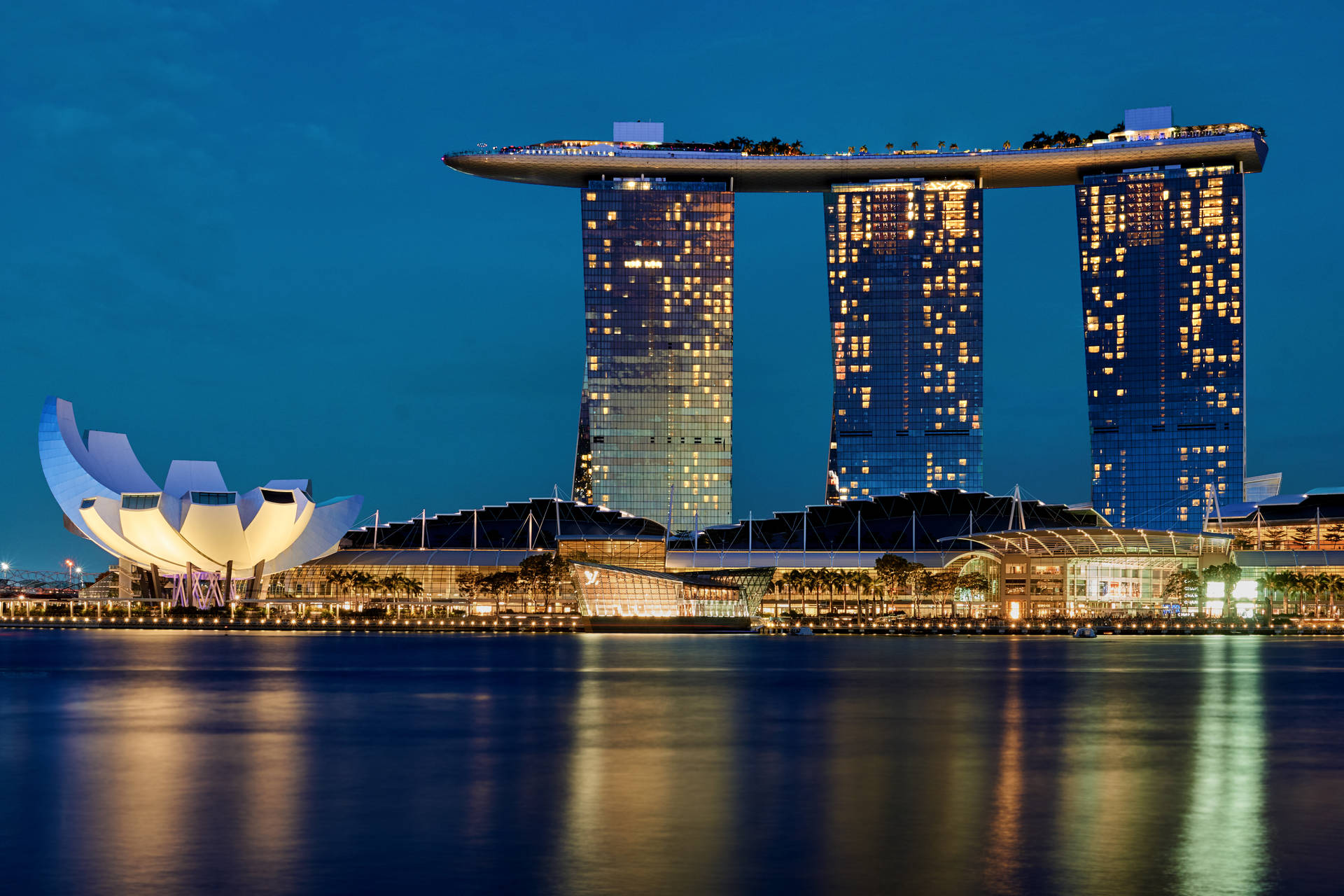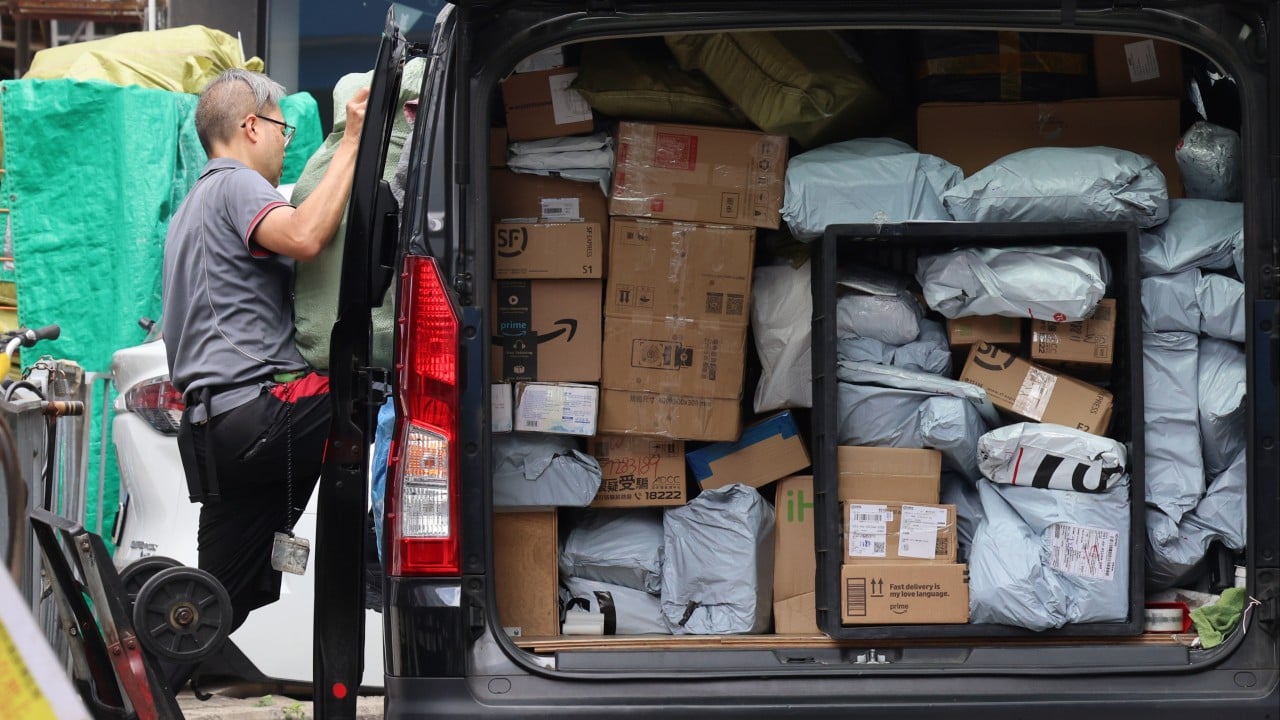
Hong Kong's retail sector is making a massive pivot. For years, local merchants relied heavily on the mainland China market to drive online sales growth. Now, the annual Hong Kong Shopping Festival is breaking new ground by officially expanding into Southeast Asia. Singapore and Malaysia are first in line.
If you run a local small or medium-sized enterprise, this shift changes everything. You can no longer rely on a single market to sustain your cross-border e-commerce operations. The Hong Kong Trade Development Council is pushing hard to diversify, and the upcoming September rollout in ASEAN proves it.
The Logistics of the ASEAN Push
Organized by the Hong Kong Trade Development Council as part of its year-round E-Commerce Express initiative, the festival's new regional wing runs from September 21 to 27. Around 100 brands are locked in for the debut. Meanwhile, the core mainland China edition runs earlier from August 1 to 20, featuring more than 280 brands.
Why start with Singapore and Malaysia? Simple economics. Bruce Pang Ming, director of research at the HKTDC, points out that both countries boast exceptionally high purchasing power and lead the region in e-commerce penetration. E-commerce retail sales across the ASEAN-6 hit roughly US$162.2 billion recently, and the numbers keep climbing.
To make this expansion work, the council is teaming up with heavyweights like Shopee and Lazada. Dedicated event pages will showcase around 300 products, pairing local goods with aggressive promotional offers. You get direct access to digital infrastructure that already handles millions of daily transactions.
What Small Businesses Need to Know
Most local merchants struggle with digital transformation because they treat cross-border selling as an afterthought. You can't just drop a Cantonese-marketed product onto a Southeast Asian platform and expect instant sales. Consumer preferences in Kuala Lumpur and Singapore differ drastically from those in Shenzhen or Guangzhou.
Financial Secretary Paul Chan Mo-po noted that digital channels are now vital for survival. Local brands are known for quality and reliability, but reputation alone won't optimize your conversion rate. You have to adapt your product presentation to match local shopping habits.
The festival targets seven main categories:
- Health and wellness
- Food and beverages
- Personal care and cosmetics
- Home goods
- Clothing and accessories
- Senior care products
- Trendy toys
If your product sits in one of these verticals, you need a clear strategy for the September window. Live-streaming sales and platform-specific discounts will dominate consumer attention.
Moving Beyond the Pilot Phase
Singapore and Malaysia are just the testing grounds. The council plans to gradually roll out similar campaigns across other major Southeast Asian economies. If you miss this initial wave, breaking into those secondary markets later will cost you more time and ad spend.
Stop viewing e-commerce as just a domestic safety net. Take a close look at your supply chain readiness. Ensure your inventory can handle international shipping logistics before signing up for regional platform features. Clean up your product listings, optimize your digital storefronts, and get ready for the September push.