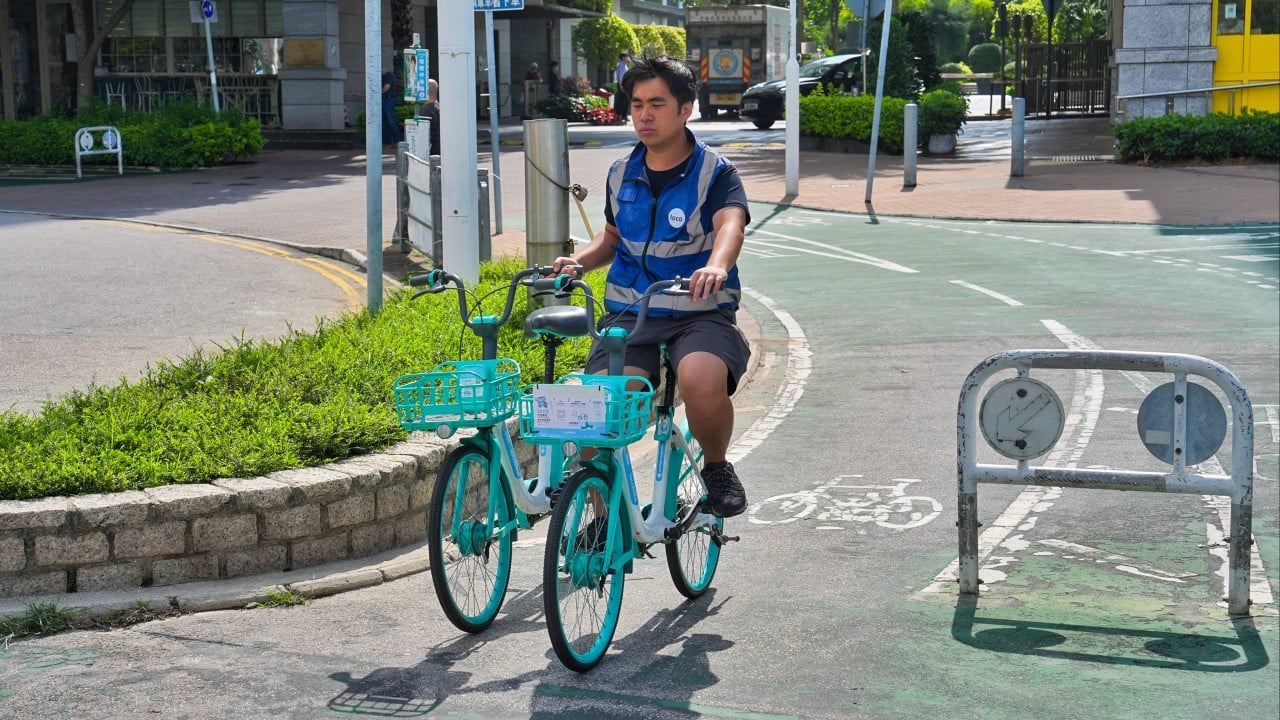
Hong Kong boasts one of the most efficient public transit systems on earth. Yet, the city has a massive blind spot. Look outside during rush hour. Trains are packed to the gills. Buses crawl through the narrow streets of Mong Kok and Central. Meanwhile, our regulatory approach keeps a revolutionary transit tool locked out of the urban core. We are talking about electric bicycles.
The government continues to view e-bikes as dangerous toys or regulatory headaches rather than legitimate transport. It is a mistake. Electric bicycles can fundamentally reshape how Hong Kongers move, bridge the gap in our transport network, and give commuters their time back.
It is time to look past the bureaucratic anxiety and integrate micromobility into the city.
The Broken Last Mile in Hong Kong Transit
Our railway network is legendary. The MTR carries millions daily with incredible punctuality. But the MTR does not stop at your doorstep.
The real pain point for Hong Kong commuters is the first and last mile of their journey. Think about the daily trek from a housing estate in Tseung Kwan O or Tuen Mun to the nearest station. You either walk for twenty minutes in suffocating 32-degree humidity or wait in a stagnant queue for a minibus that is already full.
This is where electric bicycles shine. They turn a grueling, sweaty twenty-minute walk into a breezy five-minute ride. You do not need to sweat through your shirt before you even step onto the train.
Right now, New Territories residents already use conventional bicycles for this exact purpose. Walk outside Yuen Long or Sheung Shui stations. You will see thousands of bikes chained to railings. People want this. They need this.
Electric assist simply expands who can participate. It opens up cycling to older residents, those carrying groceries, and anyone facing the city’s relentless hills.
The Fear of the Battery and the Hill
Why is the government so terrified of these machines? The standard pushback focuses on safety. Critics point to the density of Hong Kong sidewalks and the speed of electric drivetrains. They worry about collisions on shared paths.
These fears are overblown and misdirected.
First, consider the speed. A standard pedal-assist e-bike only provides motor power when you pedal. European regulations, which Hong Kong could easily adapt, cap this assist at 25 kilometers per hour. That is barely faster than a fit casual cyclist on a traditional road bike. We are not talking about unregistered motorcycles tearing down Nathan Road. We are talking about bicycles that give you a helpful push when you encounter an incline.
Second, look at our terrain. Hong Kong is hilly. Traditional cycling as a daily commute option is a non-starter for someone living up the slope in Mid-Levels or parts of Kwun Tong. The electric motor flattens these hills. It democratizes the geography of the city.
By banning them, the government is not stopping people from using electric mobility. Walk around the New Territories or industrial areas like Kwun Tong after dark. You will see food delivery riders darting down roads on illegal, uncertified electric vehicles.
The current total ban does not create safety. It creates an unregulated wild west. Riders buy cheap, unvetted equipment from online marketplaces. They charge substandard lithium-ion batteries in cramped apartments, creating real fire hazards.
Regulation brings safety. A total ban creates danger.
How Other Dense Cities Cracked the Code
Opponents love to claim that Hong Kong is uniquely dense, meaning foreign models cannot work here. That is lazy thinking. Look at Tokyo.
Tokyo is a massive, hyper-dense metropolis. It relies heavily on rail. Yet, Tokyo is filled with mamachari—utility bicycles often equipped with electric motors and child seats. Parents use them to drop kids at school and pick up groceries. They ride on designated sidewalks and quiet backstreets. The city did not collapse into chaos. Instead, it became more liveable.
Singapore, another hyper-dense Asian hub with similar tropical weather, struggled with micromobility for years. They faced accidents and fires from unregulated e-scooters. They did not just give up and issue a blanket ban forever. They adapted.
Singapore set up a strict registration system. They mandated UL2272 safety certification for batteries to prevent fires. They banned e-scooters from sidewalks but expanded their network of dedicated cycling paths. They created a clear framework.
Hong Kong can do the exact same thing. We can create a regulatory framework that separates lightweight pedal-assist e-bikes from heavy throttle-controlled electric mopeds. We can require international safety standards like EN15194 for every device sold in the city.
Building Infrastructure Outside the Island
No one is suggesting we flood the narrow sidewalks of Causeway Bay with e-bikes tomorrow morning. The rollout needs to be strategic.
The New Territories is the perfect testing ground. Towns like Sha Tin, Tai Po, and the new developments in the Northern Metropolis are built for this. They already possess extensive, segregated bicycle track networks.
The government has spent billions expanding the New Territories cycle track network, linking Tuen Mun to Ma On Shan. Right now, these tracks are viewed mostly as weekend leisure facilities. That is a massive waste of infrastructure. We should convert these leisure tracks into active commuter corridors.
Allowing certified e-bikes on these tracks immediately connects sprawling residential areas with major employment and transit hubs. It relieves the pressure on local feeder buses and light rail lines.
To make this work, the infrastructure must evolve. We need secure, weather-proof parking hubs at major MTR stations. Leaving a two-thousand-dollar electric bike chained to a rusty railing outside a station is an invitation to theft. The city needs automated bike parking structures or dedicated, card-accessible cages at transport interchanges.
The Economic Reality of Delivery Work
We cannot talk about electric bikes in Hong Kong without talking about the gig economy. The army of delivery couriers keeping the city fed relies on speed.
Right now, these workers face an impossible choice. They can use traditional bicycles, destroying their knees and limiting their earnings in the summer heat. They can walk, which drastically cuts their income. Or they can risk arrest and a criminal record by using an illegal e-bike to keep up with delivery algorithms.
Legalizing and regulating e-bikes changes the game for these workers. It gives them a legal pathway to earn a living safely.
By establishing a licensing system for commercial e-bike use, the city can ensure delivery riders use certified equipment, wear helmets, and carry third-party insurance. This protects the rider, the consumer, and the pedestrian.
Moving Past the Bureaucratic Gridlock
The Transport Department has conducted local trials of electric mobility devices in locations like Tseung Kwan O and Pak Shek Kok. The data is there. The technology works. What is missing is political will.
We need to stop studying the issue to death and start implementing rules. The path forward requires three immediate steps.
First, amend the Road Traffic Ordinance to clearly define and legalize low-speed, pedal-assist electric bicycles. Differentiate them clearly from motor vehicles.
Second, enforce strict hardware standards. Ban the import and sale of any electric mobility device that lacks recognized international safety certifications for its battery and motor.
Third, update design guidelines for all future new towns. Every new development in the Northern Metropolis must feature segregated paths designed for a mix of traditional bicycles and low-speed electric mobility devices.
Hong Kong cannot keep pretending the electric transport revolution isn't happening. The bikes are already on our streets, hidden in the shadows. It is time to bring them into the light, regulate them properly, and let them help move the city forward. Ensure your local district council representatives know you support micromobility regulation. Support local businesses that advocate for sustainable transport alternatives. Demand a modern city that uses modern tools.