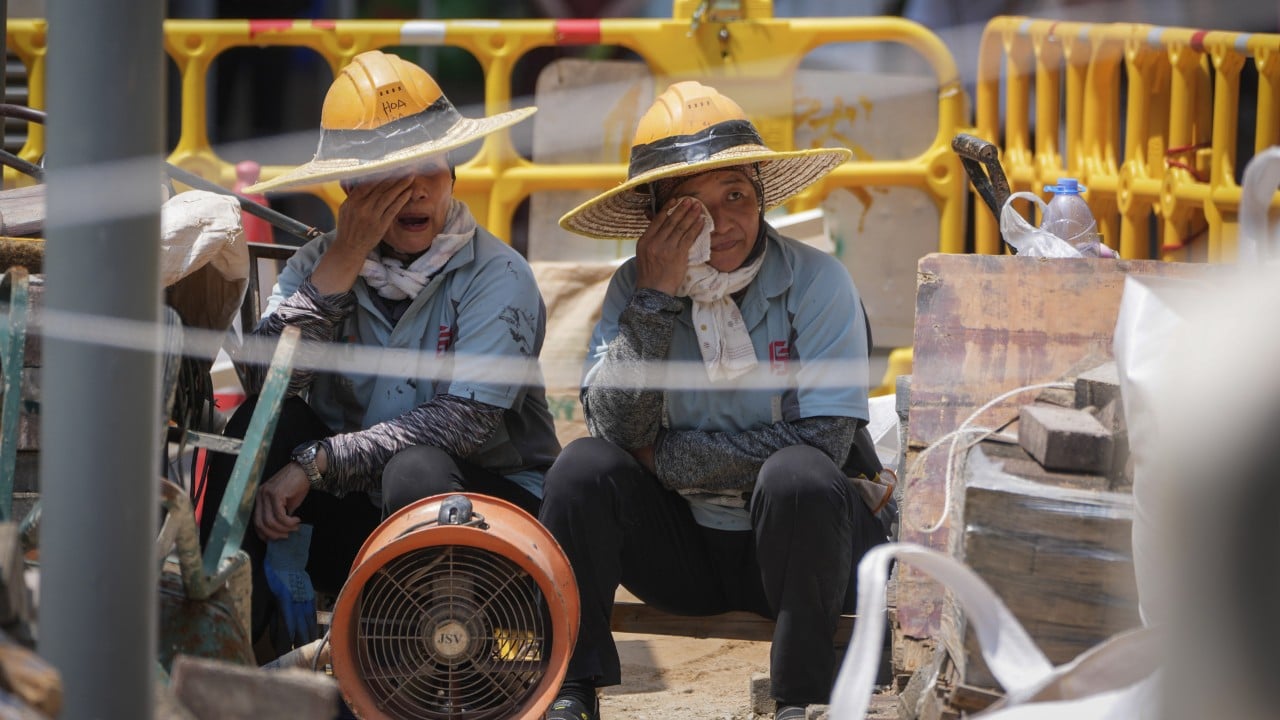
The Comfort Blanket of Bureaucratic Color Codes
Everybody loves a shiny new warning tier. Give a bureaucrat a thermometer and three months, and they will invent a color-coded system that makes everyone feel like something is being done while changing precisely zero degrees of ambient air temperature. Hong Kong officials are currently patting themselves on the back for revamping their heat-stress warning system, rolling out refined metrics meant to capture the brutal reality of the city's subtropical summers.
It sounds proactive. It sounds caring. It is a complete distraction from the physical reality of urban survival.
When the Observatory tweaks indices to add more nuanced triggers, the lazy consensus in the media assumes we are moving closer to safety. We are not. We are merely updating the vocabulary of panic. A warning label does not lower the temperature of a scaffolding pipe in Mong Kok, nor does it cool down a cramped subdivided flat with zero cross-ventilation.
Let us stop pretending that changing the threshold at which a text message goes out constitutes climate adaptation. It is administrative window dressing designed to shift liability from employers and planners onto the individual worker, wrapped in the comforting illusion of government intervention.
The Fatal Flaw in Wet-Bulb Obsession
The core justification behind these system revamps is the refinement of wet-bulb temperature measurements and occupational risk metrics. Regulators point to advanced physiological models and thermal indices to justify adding new gradations to the warning scale.
Here is what the official briefings leave out: human physiology does not adjust to a spreadsheet.
For decades, occupational health guidelines have relied on standardized thresholds derived from controlled environments, ignoring the extreme microclimates generated by Hong Kong’s vertical concrete canyons. A worker on an open rooftop experiences radiant heat load, wind shear, and humidity spikes that bear zero resemblance to the generalized readings taken at a weather station miles away.
When you create a multi-tiered warning system based on generalized meteorological data, you introduce a dangerous lag. Employers wait for the official notification before modifying work schedules. Supervisors point to the current tier to justify pushing through the hottest hours of the day. The system becomes a legal shield for negligence rather than a practical tool for survival.
Imagine a scenario where a construction crew is operating under a yellow warning tier, while their actual working environment on a blacktop pavement exceeds dangerous thermal limits because of localized radiant heat reflection. The system says work is permissible. Biology says heat stroke is imminent. Trusting the bureaucracy over the nervous system is a fast track to the ICU.
The Real Economics of Thermal Stress
Why do we keep tinkering with warnings instead of tackling the structural architecture of the city? Follow the money.
Rewriting a warning protocol costs next to nothing. It requires zero capital expenditure, disrupts no construction timelines, and lets developers maintain peak productivity schedules while appearing responsive to public pressure. Redesigning urban density, mandating legitimate cooling breaks with mandatory shaded rest stations, or retrofitting older housing stock requires actual capital and political capital.
I have watched companies burn millions on compliance checklists while ignoring the basic logistics of hydration and shade on the ground floor. They spend hours auditing whether supervisors checked the morning warning bulletin, but fail to supply portable cooling gear or adequate shade structures that actually drop skin temperature.
The economic incentive structure is broken. Penalties for violating heat stress guidelines remain toothless compared to the profit margins of finishing a commercial tower ahead of schedule. Until the cost of ignoring thermal safety exceeds the cost of slowing down work, every warning system is just expensive wallpaper.
Dismantling the Mitigation Myth
What do people get wrong about staying safe in extreme humidity? They think hydration is a silver bullet and that personal responsibility solves a systemic design failure.
We are fed the same tired advice every summer: drink plenty of water, wear light clothing, avoid peak hours. This places the entire burden of survival on the individual, absolving urban planners and employers of their duty to create habitable environments.
Water does not stop internal core temperature from rising when you are trapped in a windless concrete alleyway with high humidity. Light clothing is useless when the air is saturated and sweat cannot evaporate.
If you want to protect workers and vulnerable populations, stop issuing advice booklets and start tearing up the asphalt. We need mandatory reflective roofing, widespread installation of high-capacity misting and forced-air cooling stations in high-density districts, and legally binding stop-work mandates tied to actual physical conditions on site—not delayed government alerts.
The Uncomfortable Truth About the Future
Hong Kong's climate is not stabilizing. The urban heat island effect is compounding year over year, turning parts of the city into literal thermal traps.
A better warning system is like installing a louder smoke detector in a burning house while locking the exit doors. It tells you how fast you are cooking, but gives you nowhere to go.
Stop looking at the app. Stop waiting for the government to color-code your risk. The thermal reality on the ground is harsher than any bureaucratic index will ever admit.
Adapt or bake. The forecast isn't changing.