Walk outside on a crisp autumn evening in certain corners of Virginia, and you no longer hear the crickets. You hear a low, relentless drone. It is a digital hum, a heavy acoustic blanket that vibrates through the soles of your shoes.
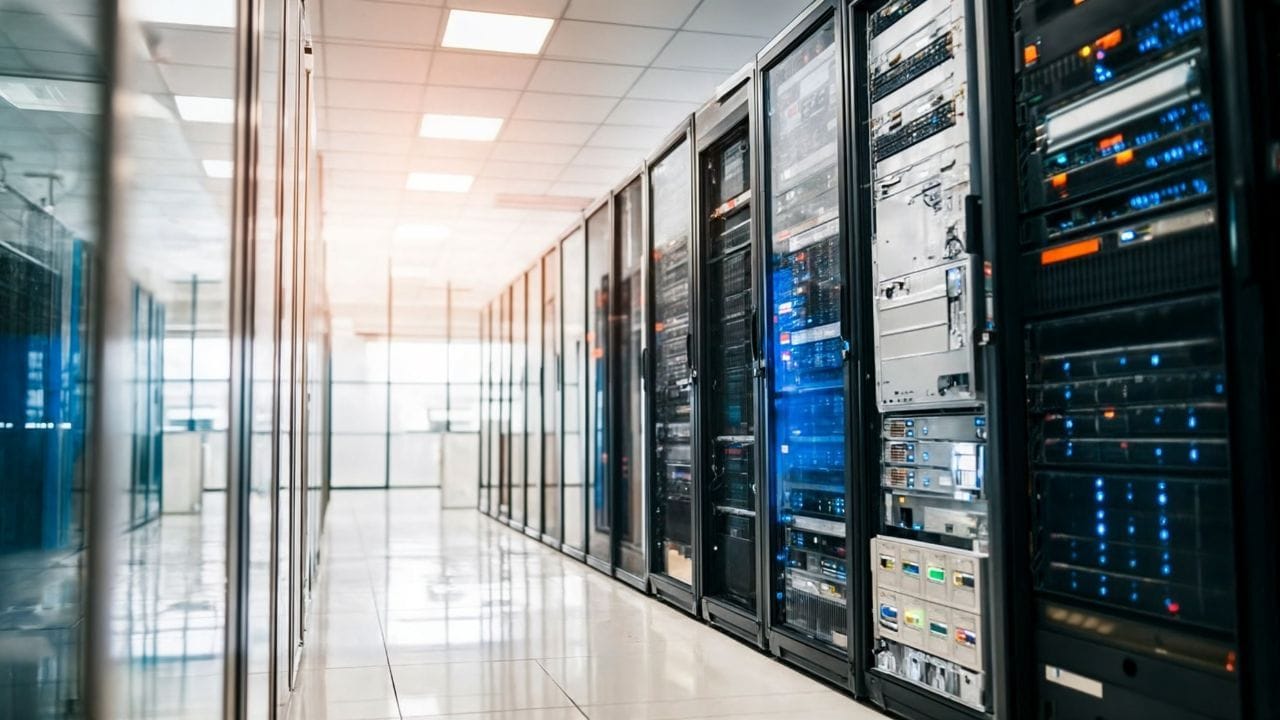
This is the sound of the physical internet. Specifically, it is the sound of thousands of industrial fans cooling rows of servers that are currently processing trillions of data points. Every time someone asks an artificial intelligence to write a poem, generate an image, or summarize a meeting, a fan somewhere spins faster. Don't forget to check out our recent post on this related article.
For years, the tech industry sold us a beautiful myth. They called it "the cloud." The word conjured images of weightless, ethereal storage floating effortlessly in the ether. But the cloud is not made of water vapor. It is made of concrete, steel, copper wire, and an unfathomable amount of electricity.
Now, the communities living on the front lines of this digital expansion are pushing back. A massive global polling shift reveals that the initial awe surrounding artificial intelligence is curdling into a sharp, localized resentment. Leading this charge are Americans, who are discovering that the infrastructure required to power the future is rewriting the reality of their present. To read more about the context of this, Ars Technica offers an excellent breakdown.
The Cost of a Prompt
To understand why a global backlash is brewing, consider a hypothetical resident named Sarah. She bought her home in a quiet suburban cul-de-sac a decade ago, attracted by the canopy of old-growth trees and the reliable local power grid.
Two years ago, the zoning cleared. The trees came down. In their place rose a windowless gray monolith the size of three football fields.
Initially, Sarah did not think much of it. It did not emit black smoke. It did not create gridlock traffic. But then came the water bills, the soaring electricity rates, and that perpetual, maddening hum.
An average query processed by a generative AI model requires roughly ten times the electrical power of a traditional Google search. When millions of people use these tools simultaneously, the energy demand spikes exponentially. Data centers now require so much electricity that they are forcing utility companies to delay the retirement of coal-fired power plants. In some regions, the sheer volume of power consumed by these facilities threatens the stability of the residential grid.
When you ask an AI tool to simplify a complex legal document, you are visually disconnected from the physical consequence. You do not see the gallons of water evaporating in cooling towers to keep those processors from melting. You do not see the substations tearing through pristine farmland. Sarah sees it every day. Her experience is becoming the standard baseline for communities across the globe.
The Global Data Polling Shift
The numbers backing up this resentment are no longer anecdotal. A comprehensive global survey tracking public sentiment toward technology infrastructure indicates a profound shift in perspective.
For the first time since the tech boom of the late 1990s, public approval of local technology infrastructure projects has plummeted. While tech executives in San Francisco and London celebrate quarterly earnings driven by AI integration, the public sentiment on the ground tells a radically different story.
The data shows a stark geographic divide, with American respondents expressing the highest levels of hostility toward new data center developments. Nearly sixty percent of U.S. participants voiced concerns over the environmental and economic impact of these facilities on their immediate communities.
This is not a simple case of Not In My Backyard syndrome. The anxiety is deeply rooted in economics.
Data centers are notorious for consuming massive local resources while offering very little in return to the community. A new automobile manufacturing plant or a fulfillment center creates hundreds, sometimes thousands, of sustained local jobs. A data center requires an immense amount of land and power to build, but once the servers are stacked and the software is running, the facility can be managed by a skeleton crew of a few dozen security guards and technicians.
The bargain feels hollow. Local communities bear the environmental burden, breathe the localized heat output, and pay higher utility rates, while the economic rewards evaporate into the portfolios of distant shareholders.
The Silent Utility Tax
The friction deepens when we examine how public utilities operate. If a massive tech conglomerate builds a facility that requires a gigawatt of power, the utility company must build new transmission lines and substations to deliver that energy.
Who pays for that new infrastructure?
In many jurisdictions, the cost is distributed across the entire ratepayer base. This means that a retired couple living on a fixed income might see their monthly electricity bill rise to subsidize the high-voltage lines running directly to a tech giant's server farm.
This reality shatters the illusion of AI as a democratic utility. It exposes the technology as an extractive industry. Like the coal mining operations or oil drilling booms of the past, the immediate benefits are concentrated, while the collateral costs are socialized.
Outside the United States, the resistance is taking different forms but carrying the same underlying heat. In Ireland, where data centers consume roughly twenty percent of the nation’s entire electricity supply, regulatory bodies are strictly limiting new grid connections. In Germany and the Netherlands, citizens are questioning whether their commitment to green energy transitions is being hijacked to power algorithmic advertising and predictive text generators.
Chasing the Infinite Grid
The core dilemma is that our digital appetite is currently outrunning our physical capacity. We live in a world of finite rivers, finite grids, and finite land. Yet, the architectural blueprint of artificial intelligence assumes infinite scalability.
Every major tech firm is currently locked in an arms race. The logic of the market dictates that whoever builds the largest model with the most parameters wins. But larger models require larger clusters of chips, which require more real estate and deeper access to power grids.
This creates a direct conflict with local climate goals. Cities that spent decades working to lower their carbon footprints are watching their progress vanish as data center clusters move in. The carbon emissions of major tech firms are rising sharply, driven entirely by the energy demands of their data operations.
The defense from the technology sector is familiar. They argue that artificial intelligence will eventually discover the solutions to the very problems it creates. They promise that AI will optimize power grids, invent superior battery storage, and accelerate the development of nuclear fusion.
But a promise of future efficiency does little to cool the warming rivers of today. It does nothing to lower the current utility bills of the people living down the road from these facilities.
The Weight of the Invisible
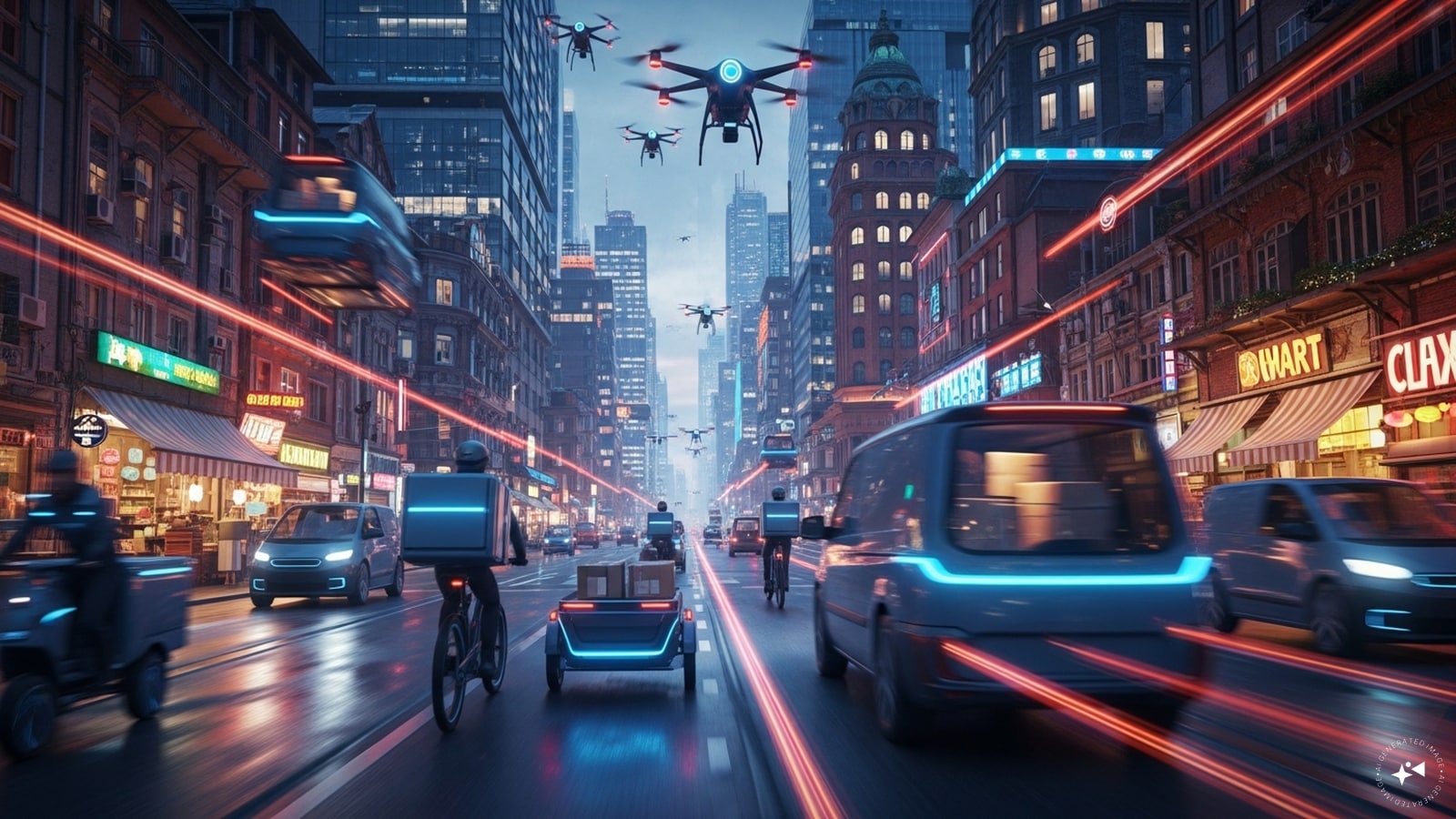
We have spent decades treating the internet as a magic trick. We tap a glass screen, and food arrives at our door. We type a question, and an answer appears instantly. We forgot that magic tricks rely on hidden machinery, pulleys, and sweat.
The current backlash is the moment the audience looks behind the curtain and realizes the machinery is taking up the entire stage.
The resentment building in American suburbs and European towns is not an anti-technology movement. It is a demand for proportion. It is a collective realization that our digital convenience should not come at the expense of our physical peace.
As night falls over Virginia, the cooling fans keep spinning. They do not care about zoning laws, local tax rates, or the quiet frustration of the people living nearby. They obey only the code and the current. The drone continues, an artificial heartbeat for a digital world, drowning out the natural rhythms of the earth below it.