Wall Street loves a clean metaphor. When a chief executive steps onto an earnings call and drops a corporate buzzword like flywheel, analysts reach for their spreadsheets. They want to map acceleration, compound interest, and unstoppable momentum. Right now, that exact script is playing out on trading floors across New York. Imax shares recently surged to an all-time high, riding the wake of a blockbuster release cycle anchored by a film titled The Odyssey.
The headline figures look pristine. Box office receipts smashed regional expectations, premium-format auditorium utilization rates hit multi-year ceilings, and institutional investors piled into the ticker symbols with aggressive buy orders. Every mainstream financial commentator is pointing to the screen, nodding along with executive statements, and declaring a permanent structural turnaround for cinematic exhibition.
They are missing the grit underneath the polish.
A single massive weekend doesn't fix a broken distribution ecosystem. An extraordinary quarterly earnings report doesn't wipe away the structural friction facing traditional theater chains that lack proprietary projection technology. When you peel back the ticker symbol and examine the underlying mechanics of how Imax actually captures value, a far more complex picture emerges. This is not a universal rising tide for the movie business. It is a masterclass in economic isolation.
The Architecture of Premium Capture
To understand why Imax stock reached its peak, you must look closely at how modern ticket buyers allocate discretionary cash. Consumer spending habits have undergone a profound contraction over the past several years. Audiences go to the theater less often, but when they do cross the threshold, they demand an upgrade. They are trading up for spectacle.
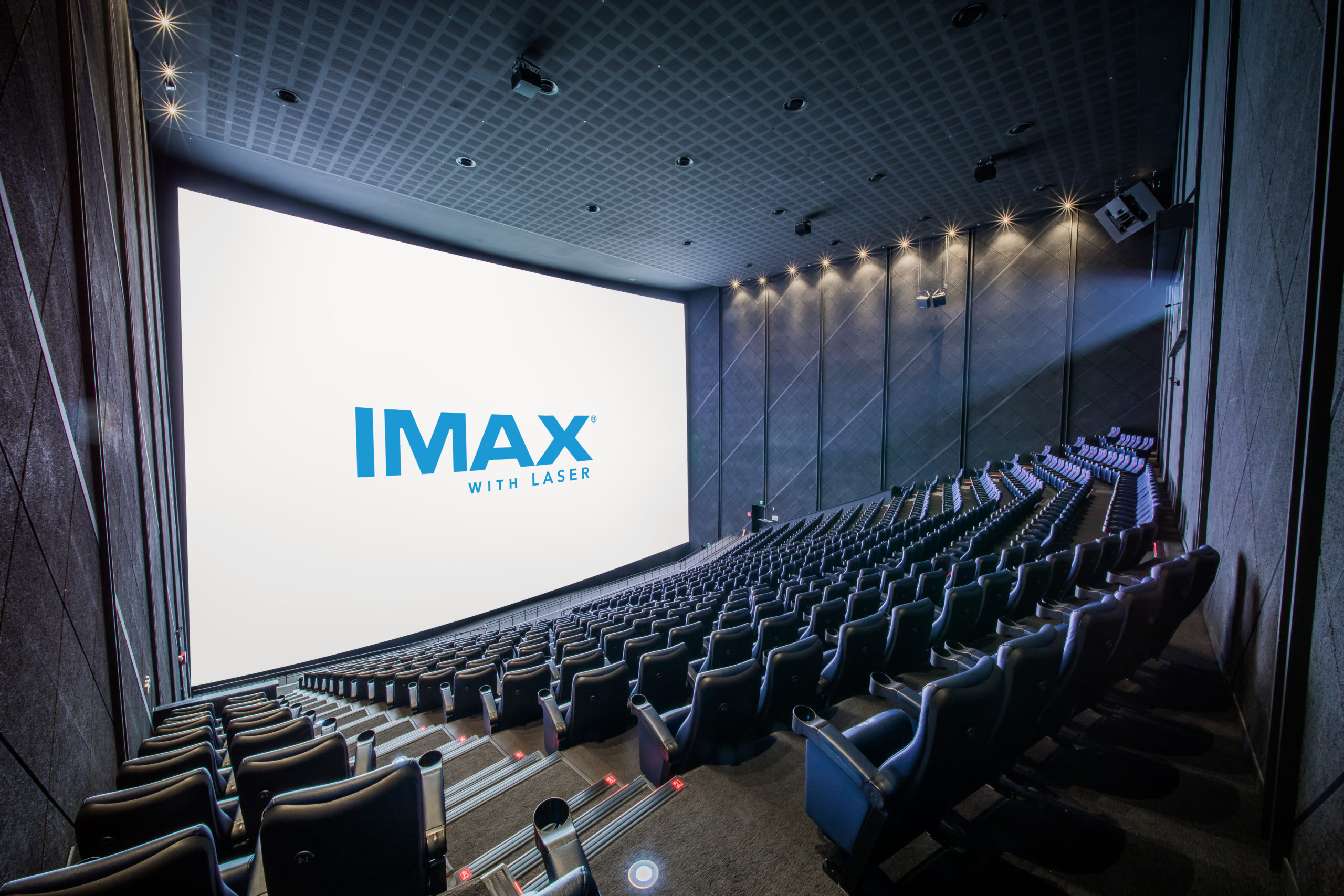
This consumer shift forms the absolute bedrock of the company's current financial strength. Standard-definition auditoriums in suburban multiplexes continue to bleed patrons to subscription streaming services at home. Meanwhile, specialized giant screens enjoy packed houses.
- Higher Yield per Seat: Proprietary ticket pricing strategies allow venues to charge a significant premium over standard admission without triggering consumer pushback.
- Exclusive Windowing: Major studios increasingly rely on large-format screens to capture early-week momentum before digital piracy or home-video windows open.
- Geographic Diversification: International markets, particularly across parts of Asia, have demonstrated an insatiable appetite for premium presentations regardless of domestic economic headwinds.
These factors create a self-reinforcing loop. High-grossing events attract major studio tentpoles. Major tentpoles demand specialized camera formats. Specialized formats draw audiences willing to pay top dollar. Wall Street calls this a flywheel. Industry veterans call it survival of the fittest.
The Studio Bottleneck
Yet, momentum of this scale carries hidden vulnerabilities. The entire business model relies on a reliable supply of cinematic events shot with specific aspect ratios or formatted for giant curved screens. Hollywood's production pipeline is notoriously fickle.
Labor disputes, shifting corporate strategies at major studios, and ballooning production budgets have reduced the total volume of wide-release movies entering the market. Fewer films mean fewer opportunities to fill seats. If a tentpole underperforms, the financial impact reverberates instantly through quarterly results.
Consider the arithmetic of the exhibition business. A proprietary screen network cannot sit empty. It requires a continuous drip of high-octane content to justify its capital expenditure. When a studio delays a release or a major franchise stalls, the revenue gap cannot be filled by mid-budget dramas or independent art-house projects. Those films simply do not draw the crowds required to maximize revenue per square foot.
Management teams attempt to smooth out these fluctuations by booking alternative content, such as live concert films, esports tournaments, and digitally remastered classic re-releases. These experiments generate valuable ancillary revenue. They keep the lights on during quiet months. However, they remain secondary revenue streams. The core financial engine still demands billion-dollar intellectual property operating at maximum capacity.
Decoding the Market Valuation
Stock prices reflect future expectations rather than historical triumphs. When a company hits an all-time high, the market is pricing in perfection for the foreseeable future. Every subsequent earnings report must clear an exceptionally high bar.
Institutional investors are betting that the appetite for immersive cinematic experiences will permanently decouple from the broader decline of traditional theatrical attendance. That is a bold bet. It assumes that consumers who cut back on general moviegoing will view giant-screen tickets as an essential, non-negotiable luxury purchase rather than a discretionary entertainment expense subject to economic pressure.
Look at the balance sheets of traditional exhibition giants. Companies burdened by massive debt loads acquired during previous expansion cycles or pandemic-era survival loans are struggling to reinvest in their own physical plants. They cannot afford the costly retrofits required to upgrade standard auditoriums into state-of-the-art viewing environments.
This creates a stark bifurcation in the marketplace. The high end captures all the capital, all the talent, and all the box office upside. The low end fights for survival on razor-thin concession margins.
Looking Beyond the Press Release
The celebration surrounding recent market highs is understandable. Corporate communications teams are paid to paint a glowing picture, and financial reporters love an easy narrative about a soaring stock chart.
Strip away the corporate lexicon and the enthusiastic analyst notes. The reality of the situation remains anchored in hard economics. Success in this sector requires constant vigilance, tight control over operational overhead, and a relentless supply of visual spectacles that cannot be replicated on a living room television screen.
The flywheel is spinning fast right now. Keeping it in motion will require far more than executive optimism. It demands that Hollywood keeps delivering the goods, ticket by ticket, screen by screen.