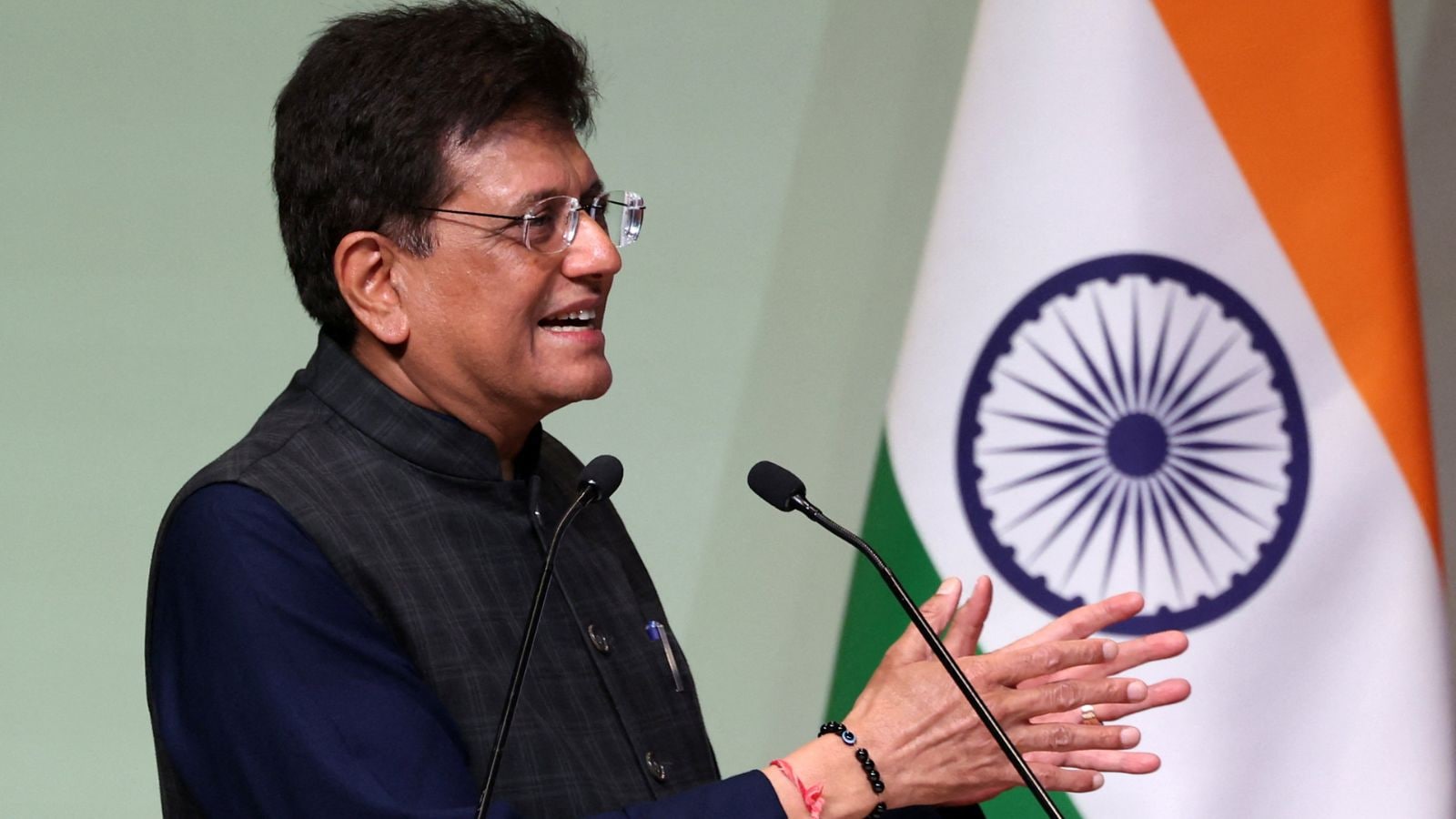
The movement of capital between India and Japan is transitioning from traditional large-scale infrastructure financing toward a high-frequency, decentralized industrial integration. With a decade-long investment target of 10 trillion yen, the current diplomatic trajectory—personified by the upcoming ministerial visit to Tokyo and the parallel engagement with Yamanashi Prefecture delegates—represents a shift in how India absorbs foreign direct investment (FDI).
The Macroeconomic Mechanics of the Partnership
Economic alignment between the two nations is governed by three distinct layers: capital deployment, physical infrastructure, and policy synchronization.
- Strategic Capital Allocation: Japan holds the position of India’s fifth-largest source of FDI. Current liquidity is distributed across more than 1,400 entities. The mechanism here relies on the complementarity of Japan’s aging capital surplus and India’s young, scalable labor force. This is not merely a trade relationship; it is a structural hedge for Japanese firms seeking to diversify their manufacturing footprint outside of traditional regions.
- Infrastructure as an Entry Barrier: The "visible" investment noted by regulators—specifically the Mumbai-Ahmedabad High-Speed Rail and various metropolitan rail networks—functions as a foundational layer. By lowering the cost of logistics and labor mobility, these projects prepare the physical terrain for the 11 established Japanese industrial townships. These townships operate as special economic zones where regulatory friction is intentionally minimized to ensure high-velocity output.
- The Sapta Dhara Framework: The seven-stream transformation strategy (manufacturing, agriculture, technology, infrastructure, energy and defense, green and blue economy, and soft power) provides the roadmap for capital deployment. These pillars identify precisely where Japan’s technological maturity intersects with India’s growth-stage requirements.
Decentralization of Investment Diplomacy
The engagement of regional delegations, such as those from the Yamanashi Prefecture, signifies an evolution in bilateral outreach. Rather than relying solely on central-level agreements, the strategy now involves state-level integration. Uttar Pradesh, aiming for a trillion-dollar economy, serves as the primary testing ground for this sub-national engagement model.
This regionalized approach addresses the historical bottlenecks of scale. By connecting Japanese CEOs directly with state-level administrative bodies and industrial clusters, the transition from memorandum of understanding to operational asset is shortened. This creates a B2B and G2B (Government-to-Business) ecosystem where industrial requirements—such as clean energy, semiconductors, and digital infrastructure—are matched with local workforce capabilities in real time.
Identifying the Bottlenecks to Scaling
While the 27.5 billion USD bilateral trade figure is often cited as the baseline, it remains a fraction of the actual potential. The variance between current output and maximum potential is driven by three recurring frictions:
- Regulatory Complexity: Despite improvements, the delta between administrative policy and ground-level execution remains. The use of industrial townships is the mitigation strategy for this, but widespread replication requires deeper state-level reform.
- Capital Intensity vs. Speed: Large-scale projects like the Dedicated Freight Corridor are capital-intensive with long amortization periods. The market now requires smaller, faster-moving capital deployments in sectors like electronics and MSME-linked manufacturing to sustain economic momentum.
- Institutional Lag: Aligning institutional frameworks—such as standardized technical certifications and cross-border digital logistics—is the next requirement. The current reliance on manual matchmaking sessions must evolve toward automated, digital interfaces that allow investors to assess risk and opportunity without the necessity of high-level ministerial intervention.
The Operational Roadmap
To move beyond the current plateau of investment, the focus must shift from the volume of delegations to the velocity of project commissioning. The blueprint for scaling requires three specific actions:
- Supply Chain Verticalization: Instead of broad investments, focus should tighten on specific value chains like semiconductor packaging or green hydrogen. This increases the internal multiplier effect of each yen invested.
- MSME Integration: The nine million MSMEs identified in Uttar Pradesh represent a massive, underutilized asset. Linking these units into the supply chains of larger Japanese corporations—such as the mobility and engineering giants already present—will create a more stable, resilient industrial base than isolated industrial parks alone.
- Digital Public Infrastructure (DPI) Integration: Using India’s DPI to manage the logistics of cross-border trade can remove the friction currently inherent in customs and supply chain transparency. A digital bridge that mirrors the physical infrastructure links would allow smaller firms to enter the market with lower transaction costs.
The objective is to move the India-Japan partnership from a model of state-sponsored projects to one of organic, industrial self-replication. If successful, the 10 trillion yen target will serve not as a goal, but as a minor precursor to the broader systemic integration of these two economies. The strategic play is to institutionalize the current state-level outreach into a permanent, automated pipeline for technical and capital exchange, effectively insulating the partnership from diplomatic cycles and focusing on the underlying industrial output.