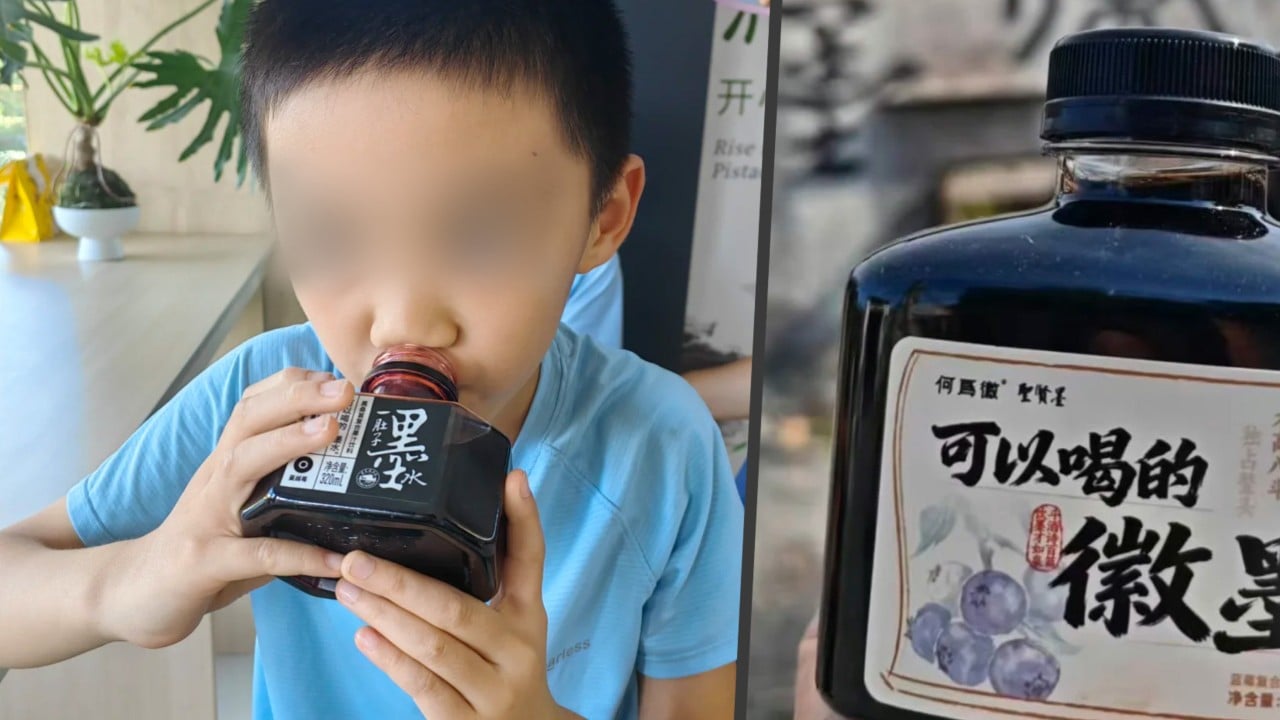
Social media algorithms love a bizarre historical anecdote. A viral post claims that ancient Chinese scholars drank ink either to spark sudden poetic genius or as a punitive measure for messy handwriting. It sounds like the punchline of a dark academic sitcom. It also happens to be a gross distortion of history, blending misconstrued idioms, toxic chemistry, and genuine institutional cruelty into a palatable package of internet trivia.
To understand why elite scholars in imperial China were not chugging bowls of carbon-black sludge, one must first dismantle how historical narratives get flattened for public consumption. The reality of the inkstone was far more grueling than any cartoonish drinking game. For a different view, read: this related article.
The Anatomy Of A Viral Misconception
Modern digital platforms thrive on shock value. When historical trivia accounts stumble across obscure dynastic texts, context is routinely discarded in favor of maximum engagement. The notion that intellectuals ingested writing supplies relies on a profound misunderstanding of both linguistic nuance and material culture.
Traditional Chinese ink was not a liquid stored in a convenient plastic bottle. It arrived as a solid, hard cake molded from soot, bound together with animal hide glue, and heavily perfumed with musk, camphor, or borneol. Producing usable ink required manual labor. A scholar knelt over an inkstone, slowly grinding the dry cake against roughened stone with a few drops of water. This ritual could take twenty minutes just to produce enough pigment to write a single paragraph. Similar analysis on the subject has been provided by ELLE.
Ingesting this mixture deliberately would have been an exercise in poisoning oneself. Animal hide glue, heavy soot particulates, and various herbal additives do not make for a refreshing beverage. In some historical periods, ink cakes included additives like lead or arsenic compounds to prevent mold or enhance luster. Swallowing such a concoction would induce severe gastrointestinal distress rather than a sudden burst of poetic lyricism.
Metaphorical Consumption In Classical Texts
Language holds the key to this widespread misunderstanding. Classical Chinese is dense with metaphor and historical allusion. Scholars frequently used idiomatic expressions about internalizing texts rather than reading them passively.
Phrases describing "drinking ink" or "stewing in literature" were literary devices denoting intense dedication to study. A writer who spent twelve hours a day hunched over a desk was said to have ink soaked into their very bones. Modern internet culture took these poetic exaggerations and stripped away centuries of cultural context, turning figurative immersion into literal ingestion.
There is also the matter of absentminded genius. Chinese lore features numerous tales of eccentric writers who became so lost in contemplation that they dipped their steamed buns into their inkstones instead of vinegar or soy sauce. These anecdotes were meant to illustrate single-minded devotion to intellectual pursuits, not a systematic culinary preference for carbon black.
The Bureaucratic Terror Of The Examination Cells
Yet, dismissing the ink-drinking myth does not mean dismissing the brutality of historical scholarship. The stakes of writing in imperial China were terrifyingly high, and the penalties for bad penmanship were real, even if they did not involve forcing a scholar to swallow a brushful of soot.
The imperial examination system, known as the Keju, served as the primary gateway to elite social status and government office for over a millennium. Millions of ambitious young men poured decades of their lives into mastering the Confucian classics. Success meant wealth, prestige, and political power for an entire extended family. Failure meant financial ruin, social shame, and a lifetime spent as a frustrated local tutor.
Under these crushing conditions, handwriting ceased to be a mere functional tool. It became a moral indicator. Examiners believed that a candidate's brushwork revealed their inner character, discipline, and stability of mind. A stray stroke or an untidy column of characters could signal moral turpitude.
Examiners operated under strict quotas and zero-tolerance guidelines. Thousands of test-takers crammed into tiny, windowless brick cells for days at a time, writing essays under intense sensory deprivation and physical exhaustion. If a candidate's handwriting degraded due to fatigue or natural ineptitude, it was grounds for immediate disqualification. Entire futures evaporated because a hand shook during the final hour of a three-day examination.
The physical architecture of the examination halls amplified this pressure. Known as Gongyuan, these massive compounds contained thousands of narrow, solitary brick stalls. Candidates were locked inside for days, sleeping on wooden boards and cooking meager rations over small charcoal braziers. The physical toll was immense. Tuberculosis, exhaustion, and mental breakdowns were common occupational hazards for aspiring bureaucrats.
Material Wealth And Social Status On The Scholar Desk
The material culture surrounding writing in traditional China was steeped in ritual and hierarchy. The scholar's desk was not merely a workspace; it was a sanctuary of intellectual purity. Items like brush holders carved from jade or rhinoceros horn, finely sculpted water droppers, and exquisitely carved Duan inkstones were status symbols that signaled refinement and scholarly devotion. To suggest that individuals within this rigorous material ecosystem casually drank the pigment would be equivalent to suggesting that Renaissance painters consumed their lapis lazuli oil paints as a snack.
Furthermore, the social stratification of the period dictated strict boundaries around literacy and artistic expression. Calligraphy was viewed as the ultimate visual manifestation of moral cultivation. While ordinary laborers and merchants worked with their hands in crude, manual pursuits, the scholar-gentry engaged in the noble art of brushwork. A messy script did not merely reflect poor motor skills; in the eyes of contemporaries, it revealed a deficient spirit and undisciplined character. This ideological framework explains why the anxiety surrounding handwriting was so acute, and why modern attempts to trivialize it as a quirky schoolroom joke miss the profound sociological stakes involved.
The manufacturing centers of ink production in regions like Anhui province produced items of immense artistic and monetary value. High-grade ink cakes were prized status symbols, often decorated with intricate gold-leaf reliefs and collected by connoisseurs. Treating such a valuable commodity as a casual beverage would have been economically absurd for anyone except the most decadent aristocrats, let alone impoverished scholars striving for state exams.
The Lasting Legacy Of Brushwork Anxiety
The psychological weight placed upon young minds in these academic tracks created an atmosphere of perpetual tension. Candidates spent their formative years memorizing hundreds of thousands of characters from the Confucian canon, mastering the rigid formatting rules of the eight-legged essay, and practicing standard regular script until their wrists ached permanently. The anxiety of failure permeated every household that invested its meager savings into a son's education.
When modern media outlets or social media influencers unearth old dynastic anecdotes about scholars and ink, they often strip away this socioeconomic context. They reduce a complex, high-pressure bureaucratic machine into a quirky historical curiosity. It is far easier to imagine eccentric poets sipping ink than it is to contemplate the generational trauma of an examination system that drove brilliant minds to madness and physical collapse.
History is rarely eccentric in the ways modern entertainment wants it to be. The scholars who labored over inkstones did not need to swallow ink to feel its weight. The ink was already in their posture, their failing eyesight, their ruined joints, and the unrelenting anxiety of a society that judged a human soul by the neatness of a brush mark.
The next time a viral headline claims that ancient intellectuals used ink as a beverage, remember the reality behind the myth. The actual cost of scholarship was paid in time, health, and spirit, long before a single drop ever touched paper.