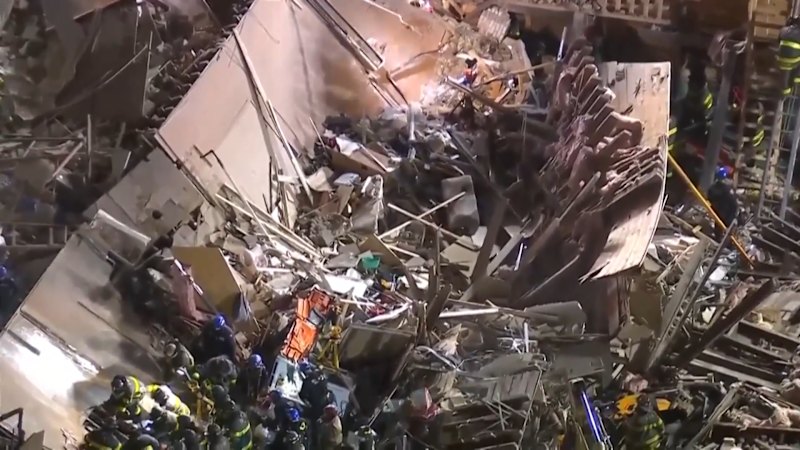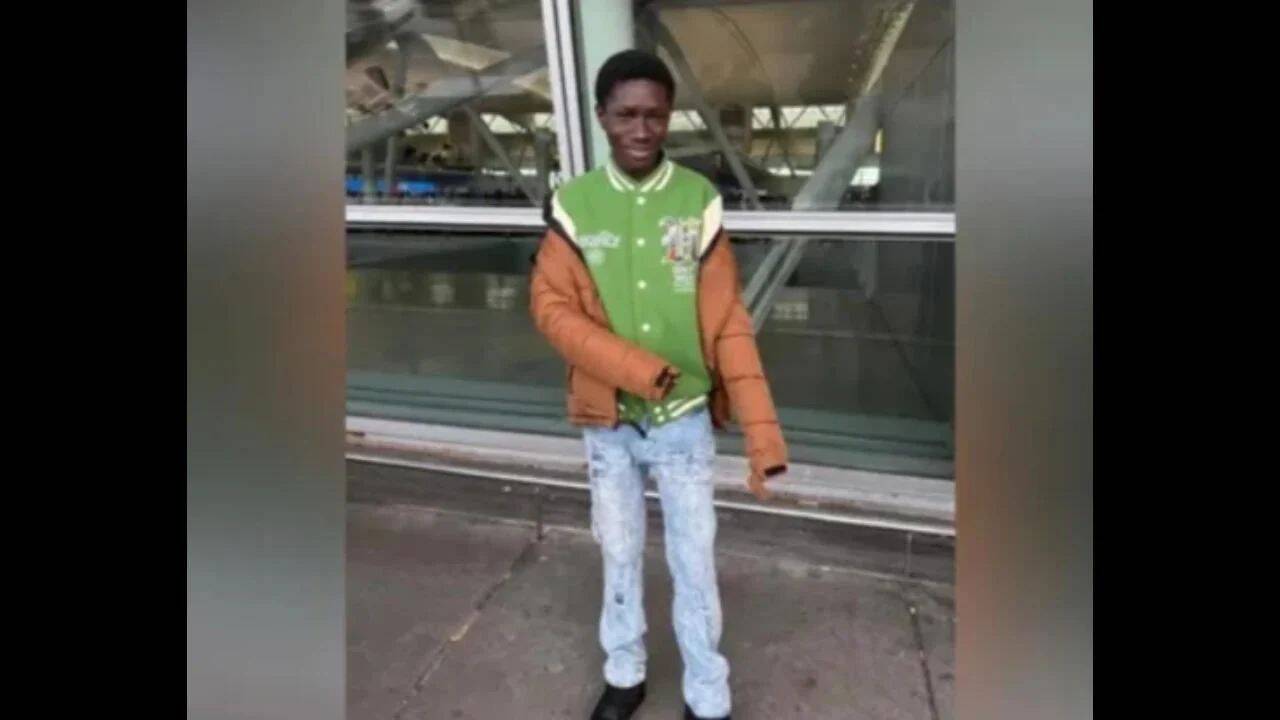
An arrest is a milestone, not a verdict. Days after detectives took a 17-year-old suspect into custody over the October 29 fatal shooting of 15-year-old Javits Frimpong on his way to school in the Bronx, the case has been moved into adult prosecution, yet the victim's family and immigrant neighbors are still demanding answers about motive, co-conspirators, and prevention.
Frimpong had moved from Ghana to the United States roughly a year earlier in search of opportunity. Surveillance video from the morning of the attack captured him being chased by three people before he was shot and killed on his route to school. Police arrested a 17-year-old boy on murder, manslaughter, and weapons charges, and prosecutors secured adult-court handling ahead of a December appearance in Bronx Supreme Court.
Why One Arrest Leaves Unanswered Questions
Arrest headlines create a neat illusion of closure. Street investigations rarely work that cleanly.
When investigators detain one 17-year-old suspect in a chase involving three people, the arrest proves probable cause against a specific individual, not that every actor has been identified or every motive has been established. Public reporting has noted that the underlying motive in Frimpong's shooting remains unclear, leaving a painful vacuum for relatives trying to make sense of how a morning commute turned lethal.
Families in high-stakes homicides often experience a sharp emotional whiplash. The initial relief of seeing police make an arrest quickly collides with legal reality: grand jury proceedings, discovery reviews, motion practice, and trial delays stretch over months or years. Charging a suspect does not immediately deliver accountability for every person involved in a group pursuit.
Trying a 17-Year-Old as an Adult in New York
Moving a 17-year-old defendant into adult court changes the legal stakes overnight. Under New York's Raise the Age framework, 16- and 17-year-olds charged with serious felonies occupy a distinct legal category as Adolescent Offenders, where violent felony cases such as murder can be transferred or prosecuted in adult Supreme Court rather than remaining strictly in family court tracks.
Supporters of adult prosecution argue that lethal gun violence demands full statutory penalties and adult-court transparency when a teenager takes a life. Critics counter that adult prosecution can carry steep collateral consequences without addressing the underlying drivers of youth gun access and group conflict.
- Higher sentencing exposure: Adult felony convictions carry substantially harsher statutory ranges than juvenile dispositions.
- Public record weight: Supreme Court proceedings place the case inside the formal adult criminal docket rather than confidential family court channels.
- Evidentiary hurdles: Prosecutors still must prove individual criminal liability beyond a reasonable doubt, especially when surveillance footage shows multiple individuals running or chasing.
A transfer to adult court signals prosecutorial seriousness. It does not guarantee a conviction or shorten the path to a verdict.
What Immigrant Families Face After a Street Shooting
For newly arrived immigrant households, a fatal street shooting compounds grief with disorientation. Frimpong had come from Ghana seeking a better future, a trajectory shared by thousands of families who uproot themselves across oceans believing a new city means safety and stability.
When violence strikes a young newcomer on a routine walk to class, relatives often have to navigate unfamiliar courtrooms, victim-services bureaucracies, and media attention simultaneously. Community advocates and legal figures drawing attention to the case have pressed both for accountability and for concrete answers on how such an attack occurred in broad daylight.
Language barriers, unfamiliarity with New York criminal procedure, and fear of retaliation can make witnesses hesitant to come forward. Detectives rely heavily on neighborhood tips and camera networks, yet fear on the block frequently slows cooperation right when investigators need details most.
The Investigative Mechanics Behind Bronx Shootings
Solving a daytime or morning shooting in a dense urban corridor rarely comes down to a single clue. Detectives typically piece together a timeline by stitching together fragments across blocks.
- Video canvassing: Investigators pull footage from storefront cameras, residential buildings, and transit angles to map routes before and after the gunfire.
- Ballistics and forensics: Spent casings, firearm comparisons, and medical examiner findings help reconstruct shooting angles and confirm injury mechanics.
- Digital and witness leads: Phone records, social media context, and confidential tips through channels such as NYPD Crime Stoppers help link faces on video to real names.
Even strong video of a chase has limits. Cameras can show movement and numbers, yet they do not always capture voice, prior disputes, or who fired the fatal shot.
Prevention Gaps Beyond the Courtroom
Prosecution punishes past harm. It rarely stops the next teenager from picking up a gun.
Policy debates around youth violence in New York often swing between two incomplete extremes: treating every young suspect solely as a hardened adult offender, or treating violent crime solely as a social-services issue detached from immediate enforcement. Neither approach works on its own.
- Firearm proliferation: Illegal handguns moving into adolescent hands turn teenage disputes or chases into fatal shootings.
- School-to-street friction: Conflicts that begin online or around school dismissal and arrival hours frequently spill onto sidewalks outside institutional supervision.
- Family and community support: Grief counseling, funeral assistance, and long-term outreach matter long after television cameras leave a vigil.
Real prevention requires tightening illegal gun supply, building fast conflict intervention around youth networks, and backing families long after the first court date.
What to Watch as the Case Moves Forward
As the 17-year-old suspect returns to Bronx Supreme Court in December, several concrete markers will show whether the case is advancing or stalling:
- Indictment and co-defendant updates: Watch whether prosecutors proceed solely against the arrested 17-year-old or bring additional charges tied to the others seen chasing Frimpong.
- Motive disclosures in court filings: Bail arguments, criminal complaints, and evidentiary motions often reveal early prosecutorial theories about why the chase began.
- Witness and tip outreach: Continued appeals for information show investigators are still working to fill gaps in the record.
Justice for Javits Frimpong's family will not be measured by a single press release or arraignment date. It will be measured by whether the courts establish full accountability and whether the city learns how to keep the next 15-year-old from ever being chased down on the way to school.