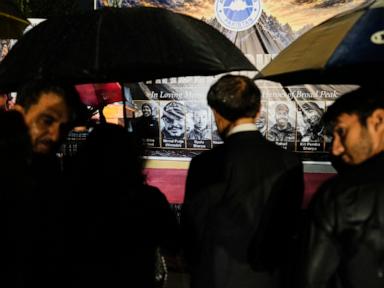
The recovery of American climber Mallory Geis from the slopes of Broad Peak marks a grim final chapter in one of the deadliest single incidents in recent Karakoram mountaineering history. Weeks after an avalanche struck an international expedition led by renowned mountaineer Nirmal Purja, search teams located the 39-year-old Texan's remains at roughly 7,000 meters, closing an agonizing search. Yet beneath the immediate tragedy of lost lives lies an uncomfortable reality about modern high-altitude commercial expeditions, the shifting climate of the world's highest mountains, and the dangerous democratization of the death zone.
The Illusion of Accessibility on Broad Peak
Standing at 8,051 meters, Broad Peak is frequently marketed as the most accessible of the world's fourteen eight-thousenders. That designation is a marketing fiction that routinely lures climbers into a false sense of security. Unlike K2, its monstrous neighbor towering just across the Godwin-Austen Glacier, Broad Peak lacks the sheer, unrelenting vertical intimidation of a pyramid of pure ice. Its lower slopes present a deceptive gentleness.
Climbers read guidebooks, look at statistical success rates, and mistake manageability for safety. They forget that at 26,000 feet, gravity does not negotiate, and the atmosphere retains only about one-third of the oxygen found at sea level. When a commercial expedition brings together climbers of wildly disparate experience levels under a tight weather window, the margin for error collapses to zero.
The July 30 avalanche did not care about itineraries, commercial permits, or social media announcements about taking leaps of faith into the unknown. It swept through the upper camps with raw, indiscriminate kinetic force, wiping out a ten-member team in seconds. Eight bodies were pulled from the snow in initial sweeps, but the high-altitude recovery operations tested the limits of human endurance, requiring weeks of grueling effort by local volunteers and high-altitude porters before Geis and Nepali climber Nawang Thindu Sherpa were finally accounted for.
The Hidden Toll on Local Rescuers
When international media outlets cover disasters in northern Pakistan, the narrative invariably centers on the Western clients, the prominent expedition leaders, and the romanticized danger of the peaks. What gets buried in the footnotes is the disproportionate burden borne by local Balti porters and high-altitude workers.
Western climbers pay tens of thousands of dollars for logistics, permits, and oxygen, buying a ticket into a high-stakes lottery. When disaster strikes, the machinery of international rescue swings into motion, but the actual heavy lifting—literally—falls upon indigenous climbers. These men navigate unstable seracs, avalanche-prone couloirs, and blinding whiteouts while carrying dead weights down vertical ice walls.
The economic structure of modern Himalayan and Karakoram tourism incentivizes local men to take catastrophic risks. Tourism dollars are vital to the remote valleys of Gilgit-Baltistan, leaving local communities with a cruel choice between economic survival and participating in an increasingly lethal commercial mountaineering industry. When an expedition goes wrong, it is local volunteers who risk their lives to bring closure to grieving families thousands of miles away.
A Changing Climate and the Death Zone
The physical environment of the Karakoram range is undergoing a rapid, dangerous transformation. Glaciers are retreating, permafrost is destabilizing, and hanging ice towers are shedding with unprecedented frequency. Traditional climbing seasons have become erratic. Weather windows that used to hold steady for days now fracture in hours, catching teams off guard in terrain that offers no natural shelter.
High-altitude mountaineering used to be defined by deliberate slowness, extensive acclimatization, and small, highly experienced teams who knew when to turn back. Today, commercial pressure pushes groups to move faster, rely heavily on bottled oxygen to mask physiological decline, and force summits within rigid commercial schedules. When you combine warming temperatures with hurried schedules on a disintegrating mountain, avalanches cease to be freak accidents and become statistical certainties.
The recovery of Mallory Geis brings closure to her family in San Antonio, ending weeks of agonizing limbo. But the broader crisis across Pakistan's giants remains entirely unaddressed. Until the mountaineering community confronts the commercial incentives that push underprepared climbers into lethal zones, the white slopes of the Karakoram will continue to demand an intolerable toll.
Broad Peak Avalanche: US Climber's Body Recovered As Search For Missing Climbers Continues
This video report details the ongoing recovery efforts and the broader context of the fatal avalanche on Broad Peak.
http://googleusercontent.com/youtube_content/1