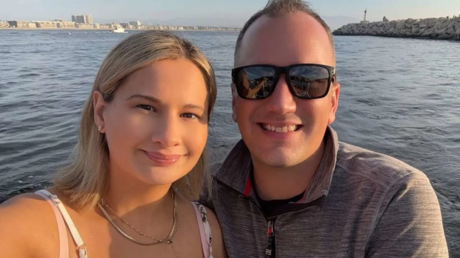
The coroner's final report on Ken Urker does not leave much room for ambiguity. Accidental polysubstance toxicity, with fentanyl detected in his system, ended the life of the 34-year-old in a Raceland, Louisiana home on the exact day he was meant to celebrate another year of existence. For casual consumers of celebrity culture, the headline read as just another grim entry in a tabloid ledger. But behind the cold medical terminology lies a much darker anatomy of modern notoriety. Urker was not a public figure by choice. He was pulled into the blinding, unfiltered glare of the internet’s collective obsession simply because he loved Gypsy Rose Blanchard.
When someone steps into the orbit of a sensationalized true-crime figure, they do not just enter a relationship. They enlist in a twenty-four-hour public tribunal.
The mechanics of this digital harassment machine are rarely dissected with the seriousness they demand. Long before emergency responders forced entry into Urker’s home following a welfare check requested by relatives, the psychological erosion had been well underway. In statements following his death, Blanchard pointed directly to the relentless weight of online scrutiny. Social media algorithms do not care about human collateral. They feed on conflict, irony, and manufactured outrage, transforming private lives into interactive spectator sports. Every comment section functions as an open-air courtroom where the jury never sleeps, and every follower feels authorized to pass sentence.
Society loves a redemption arc until it becomes inconvenient, messy, or real. Blanchard herself spent years imprisoned for her role in the horrific abuse and subsequent murder of her mother, Clauddine "Dee Dee" Blanchard, before her release in late 2023. The public consumed her story with an insatiable appetite, converting a tragedy of medical abuse into a streaming-era phenomenon. Yet when the cameras stopped rolling and the prison gates opened, the apparatus of surveillance did not dismantle itself. It simply pivoted. Every partner, every domestic adjustment, and every private heartache was instantly broadcast, dissected, and monetized by an army of armchair detectives.
Urker found himself caught in the undertow of this phenomenon. Having first connected with Blanchard through a prison correspondence years prior, their relationship experienced multiple iterations—an engagement, a separation, marriages to other people, and a final reunion that brought a daughter into the world. Through every twist, the internet maintained a proprietary attitude toward their personal lives. To the online mob, Urker was never permitted to simply be a partner, a father, or a private citizen dealing with complex personal demons. He was a character in an ongoing script, subject to constant critique, mockery, and vitriol from strangers who believed their digital proximity entitled them to his psychological undoing.
The danger of this culture lies in how completely it flattens human reality. A person struggling with substance use or mental strain does not need a stadium of hostile spectators shouting commentary from the bleachers. The toxicology report tells us what chemical agents stopped Ken Urker's heart, but it tells us nothing about the daily, grinding exhaustion of living underneath a microscope that magnifies every flaw while stripping away dignity.
We have constructed an environment where public figures and those adjacent to them are treated as public property, devoid of boundaries or sanctuary. When the inevitable tragedy occurs, the machine pauses only long enough to click publish on the next update before returning to the cycle.
The screen remains bright. The commentary continues to scroll. And the real people caught in the machinery are left to absorb the impact of a culture that refuses to look away, even when the damage is terminal.