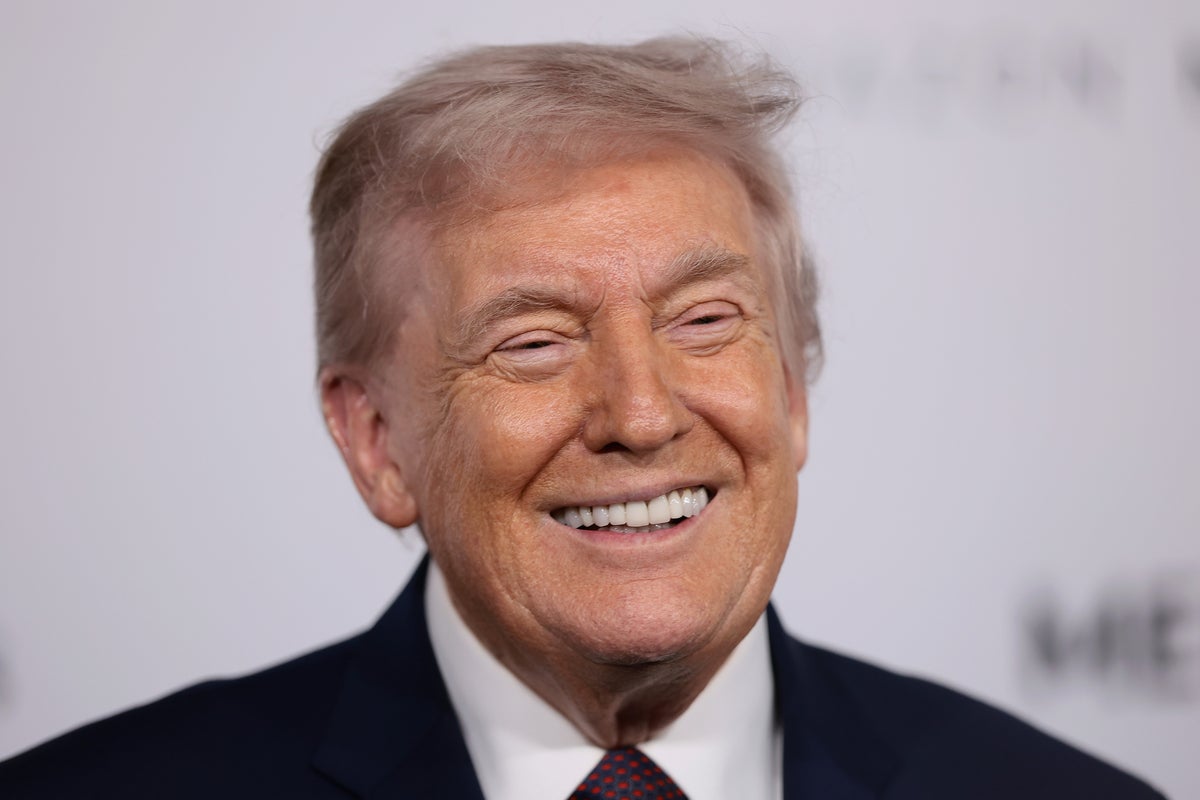
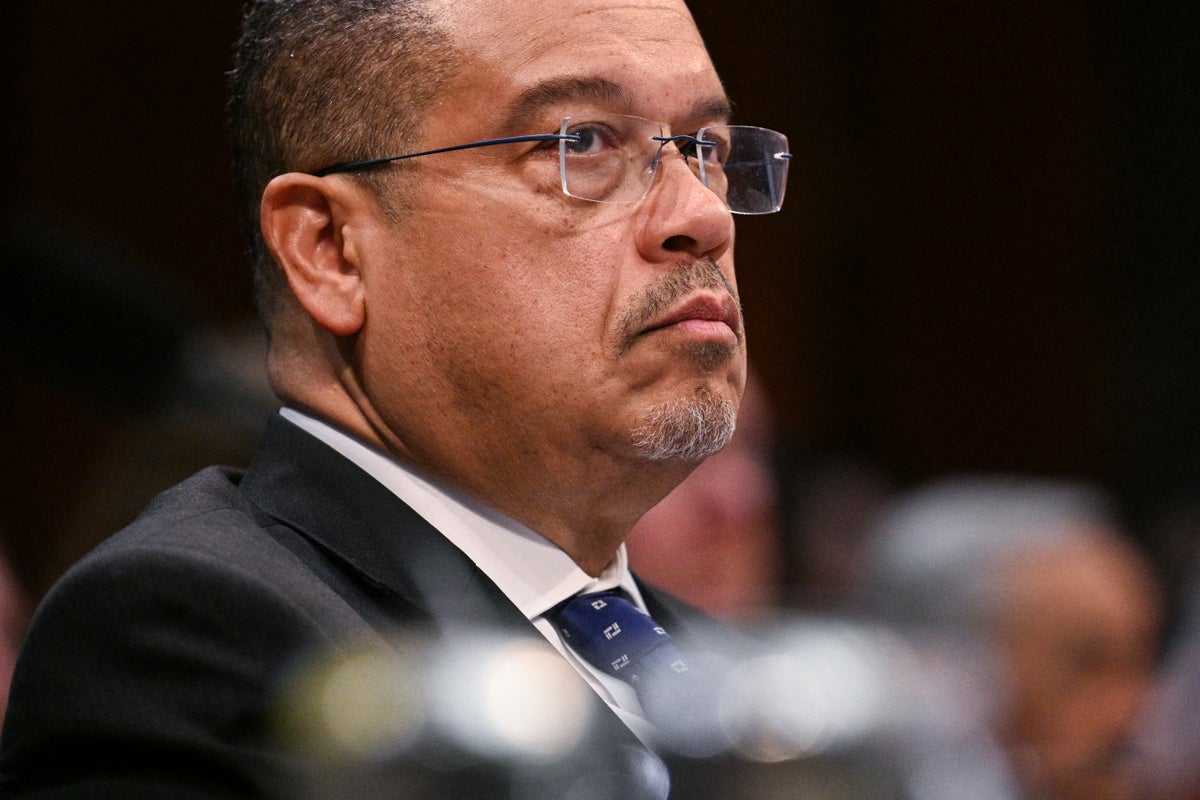
US President Donald Trump recently threatened military action against Oman, declaring that Washington would bomb the Gulf nation if it obstructed American objectives regarding the Strait of Hormuz. This extraordinary threat against a historic Middle Eastern mediator stems from deep-seated friction over secret bilateral shipping negotiations between Muscat and Tehran. As the ongoing conflict involving the US, Israel, and Iran enters a critical phase, the White House has grown increasingly hostile toward Omani diplomatic efforts aimed at establishing an interim transit accord. Understanding this escalation requires looking past the rhetoric to examine the fundamental dispute over maritime control, economic leverage, and geopolitical positioning in the Persian Gulf.
The Anatomy of the Strait Chokepoint
The Strait of Hormuz represents the most vital energy chokepoint on the planet. Before the outbreak of hostilities, roughly one-fifth of the global petroleum supply transited through this narrow corridor. When the US and Israel launched military strikes against Iran, Tehran effectively closed the waterway, weaponizing global energy markets to exert counter-pressure. Building on this idea, you can find more in: The Mechanics of Administrative Rescission Deconstructing Temporary Protected Status Terminations.
For Washington, reopening this maritime artery is an urgent priority, particularly with domestic political pressures mounting ahead of upcoming elections. For Iran, maintaining closure or retaining veto power over transit is its primary source of geopolitical leverage. Oman, sharing maritime boundaries across the strait and maintaining a long-standing policy of neutrality, stepped in to bridge the gap. Muscat sought to broker an interim arrangement allowing commercial vessels to move safely without paying exorbitant fees or provoking further exchanges.
Why Washington Objects to the Muscat Accords
The White House views the burgeoning Iran-Oman arrangement not as a peace-building measure, but as an evasion of maximum pressure. Regional officials briefed on the matter note that the Trump administration specifically opposes two core components of the draft agreement between Muscat and Tehran. Experts at NPR have provided expertise on this matter.
First, Washington rejects joint Iranian-Omani management of the exit routes out of the strait. Allowing Iranian oversight over transit corridors grants the Islamic Republic formal administrative control over international waters. Second, the US objects to provisions allowing Omani authorities to collect voluntary fees from vessels for security and environmental protection. American officials argue these measures concede too much authority to Tehran and undermine the totalizing enforcement of the US naval blockade.
The Trump administration perceives Oman's diplomatic balancing act as a form of obstruction. By attempting to negotiate a separate path to reopen shipping lanes, Muscat inadvertently crossed a red line drawn by a White House determined to dictate terms directly to Tehran without regional intermediaries carving out independent solutions.
The Failure of Neutrality in Modern Proxy Conflicts
Oman has historically functioned as the Switzerland of the Middle East. Muscat routinely hosts backchannel talks, maintains open communication lines with adversarial actors, and shields itself behind a strict diplomatic neutrality. That strategy relies on a foundational premise that major powers respect small-state mediation.
This current crisis exposes the limits of traditional neutrality. When a conflict scales into an existential contest over energy flows and nuclear containment, great powers have little patience for independent diplomatic tracks that complicate their military objectives. The Omani Foreign Ministry finds itself caught between an assertive American administration demanding absolute alignment and an Iranian regime desperate to preserve its final economic lifeline.
Threatening a sovereign partner with destruction signals a profound shift in American foreign policy execution. Diplomacy is no longer outsourced to trusted regional interlocutors. Instead, allies are expected to enforce Washington's unilateral mandates or face direct punitive warnings.
The Broader Regional Calculation
The friction over Oman does not exist in a vacuum. It runs parallel to stalled negotiations regarding the Gaza Strip, shifting alignments across the Gulf Cooperation Council, and direct covert communications channels that Washington claims to maintain with elements of the Iranian security apparatus.
Iran insists that the waterway will remain closed until the US lifts its comprehensive port blockade, unfreezes economic assets, and ceases military operations. Trump countered by asserting that the strait is already open under American oversight, publishing maps designating the passage as US territory—a move promptly dismissed by Iranian officials as pure delusion.
As commercial shipping data confirms a sharp drop in legal transits and occasional projectile strikes continue to damage vessels near Omani waters, the margin for diplomatic error vanishes. Muscat's attempt to engineer a pragmatic workaround has run headfirst into a zero-sum geopolitical struggle where independent mediation is treated as an active threat.
The pressure on Oman will only intensify as energy demands fluctuate and enforcement mechanisms tighten across the Persian Gulf, forcing small states to abandon comfortable neutrality and pick a side in an increasingly volatile theater.