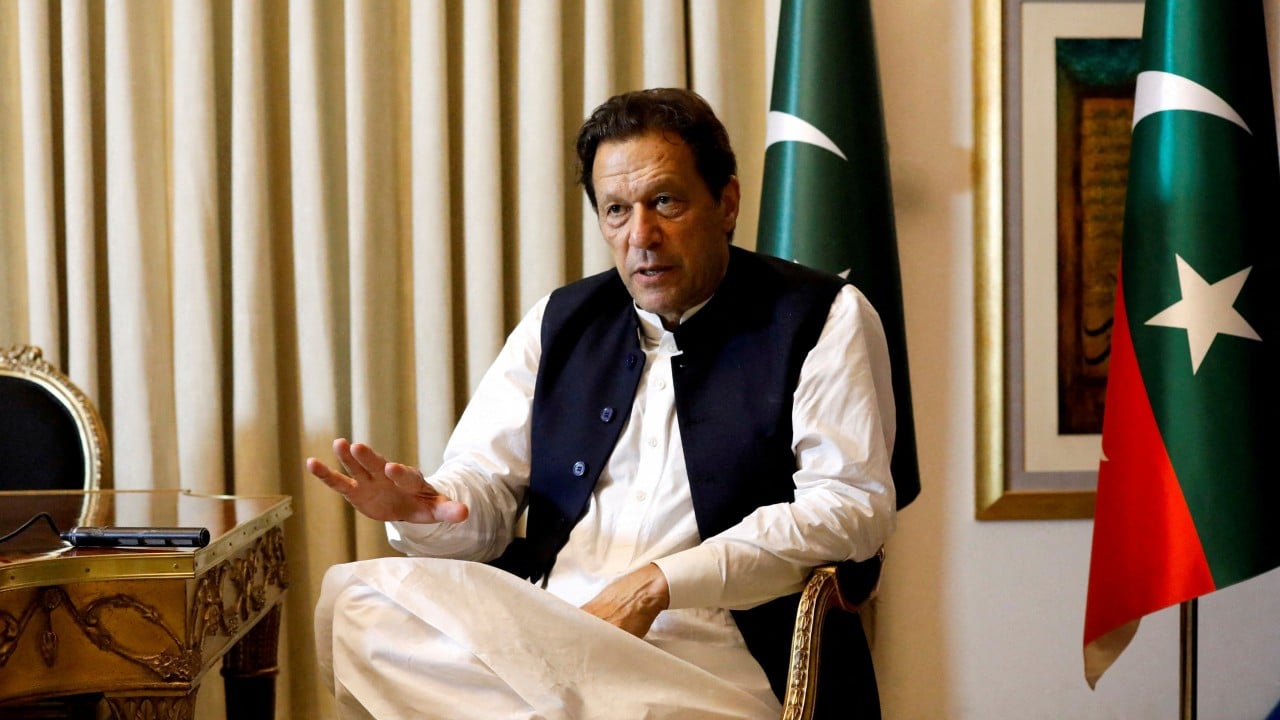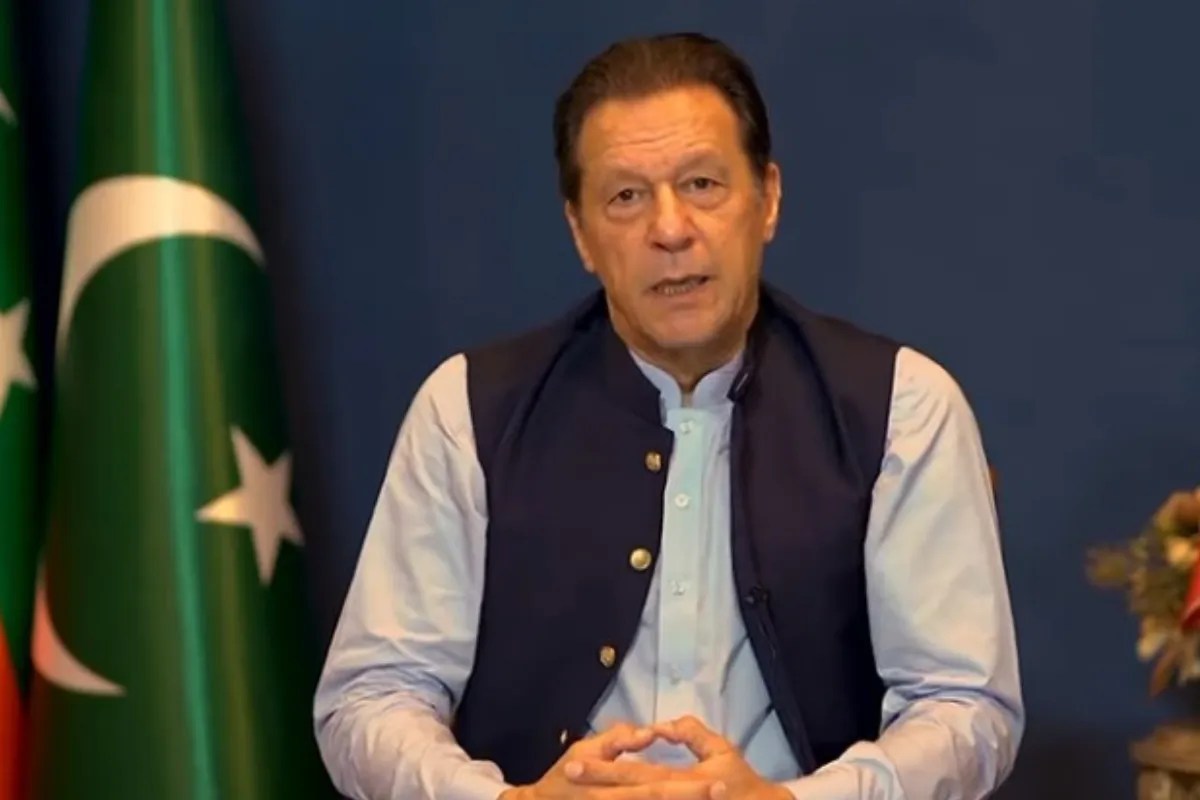
The intersection of elite athletics and volatile statecraft rarely produces subtle outcomes. When global sporting icons step outside their traditional domains to challenge established political hierarchies, the shockwaves travel far beyond stadium walls. The recent intervention by international figures regarding the detention of former Pakistani leader Imran Khan highlights a deepening fissure in South Asian geopolitics. Observers frequently miss the underlying structural anxieties driving these public appeals. State actors pretend the judiciary operates in a vacuum, while critics point to systemic pressure campaigns designed to sideline popular opposition figures permanently.
The Anatomy of Global Sporting Advocacy
Athletic legends possess a unique currency of influence that diplomats often lack. Public stature built over decades of competitive dominance creates a platform impervious to ordinary state censorship. When prominent cricket figures sign open letters addressing incumbent leaders like Prime Minister Shehbaz Sharif, they weaponize their legacy against institutional overreach. This dynamic exposes a fragile ecosystem where domestic legal battles transform into international public relations crises. For a closer look into similar topics, we suggest: this related article.
Foreign ministries scramble to contain the narrative whenever transnational figures demand transparency and due process. The state apparatus relies on bureaucratic delays and restricted access to manage political prisoners. Yet, high-profile international scrutiny disrupts these carefully calibrated containment strategies.
Examining the Institutional Pressure Points
Political instability in Islamabad stems from a chronic friction point between elected authorities and security establishments. For broader context on this issue, detailed analysis can also be found on NBC Sports.
- Judicial independence remains a contested myth rather than a functional reality for high-profile detainees.
- Public sentiment heavily favors opposition leaders despite systematic attempts to erase their presence from state television and mainstream media channels.
- International coalitions of athletes and civil rights advocates amplify local dissent that would otherwise suffocate under state-imposed blackouts.
The Broader Geopolitical Fallout
Diplomatic allies watch these developments with growing apprehension. Foreign direct investment hinges on perceived stability, and political persecution creates an environment toxic to economic recovery. The current administration struggles to balance IMF bailout conditions with the immense domestic blowback generated by continuing crackdowns on dissent.
Media blackouts and restricted visitation rights fail to suppress the underlying tension. Every restrictive measure reinforces the perception of a government operating out of survival rather than democratic mandate. As external pressure mounts from both diaspora communities and international sporting legends, the ruling coalition faces an impossible choice between democratic reform and total isolation.
The strategy of prolonged detention has backfired by transforming a domestic political rival into a global symbol of resistance. History shows that suppressing popular movements through administrative fiat merely drives opposition underground while eroding the remaining legitimacy of state institutions. The ultimate resolution to this crisis remains obscured behind closed doors in Rawalpindi and Islamabad, where real power continues to reside far away from parliamentary debate.