The epidemiological numbers coming out of eastern Democratic Republic of the Congo are staggering. More than three thousand six hundred confirmed cases and over fifteen hundred deaths mark the current public health emergency as the fastest-growing viral hemorrhagic fever event on record. Unlike previous flare-ups managed by established protocols, this specific epidemic is driven by the Bundibugyo ebolavirus, a strain completely devoid of licensed vaccines or targeted pharmaceutical interventions. The World Health Organization has designated the crisis a Public Health Emergency of International Concern, yet headlines fail to capture the structural failures and systemic vulnerabilities compounding the tragedy on the ground.
[Image of Ebola virus transmission cycle]
Decades of coverage regarding equatorial public health emergencies rely on a lazy narrative. Blame is routinely cast upon local traditional burial customs or community resistance to foreign medical staff. This superficial framing ignores the machinery of state neglect, international funding contractions, and active armed conflict that prevent effective disease surveillance. In Ituri and surrounding provinces, health infrastructure was already crippled by years of budget reductions before the first patient presented symptoms in Mongbwalu. Surveillance networks were effectively blind, missing early chains of transmission that quietly multiplied across artisanal mining camps and densely populated transit hubs.
The Strain That Changed the Rules
Medical science relies on precedent. When Zaire ebolavirus struck previous generations, epidemiologists deployed the Ervebo vaccine alongside monoclonal antibody treatments such as MappBi and Regeneron formulations. Those tools rendered localized containment feasible within months.
The Bundibugyo strain operates under a different set of biological rules. It carries a case fatality rate hovering near forty-four percent, yet clinical trials for specific therapeutics are only now scrambling to catch up with a runaway transmission rate.
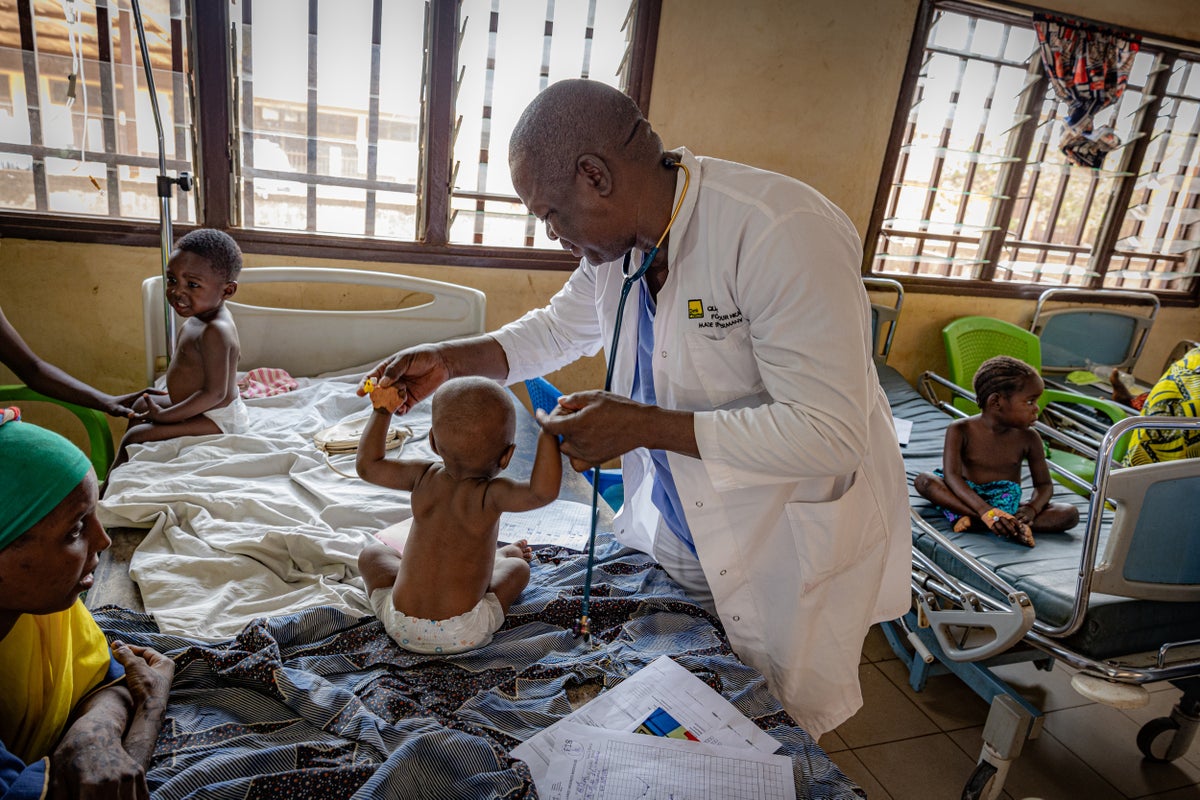
Animal model tests suggest existing vaccines might offer marginal cross-protection, but public health agencies have rightly refused to deploy unvalidated biological products without concrete human data. Clinicians are left managing symptoms with supportive care alone, turning treatment centers into fragile fortresses against an invisible enemy.
Conflict and the Geography of Contagion
Geography acts as an accelerator for the virus. Eastern Democratic Republic of the Congo is a patchwork of contested territories controlled by rival militias vying for gold and mineral wealth.
Armed groups restrict humanitarian access, forcing medical teams to negotiate passage just to track primary contacts. Displaced populations fleeing violence live in overcrowded camps with intermittent access to clean water.
Consider a hypothetical scenario where an infected miner travels from an illegal excavation site in Ituri to a bustling regional market in Kisangani. Without functional contact tracing or digital registries, that single transit corridor turns into an exponential multiplier for new infections.
When clean water is scarce, thousands of families crowd around single municipal sources, entirely erasing social distancing capabilities. Aid cutbacks have shuttered local clinics, meaning people with early fevers have nowhere to turn except home, where familial care rituals inadvertently expose entire households.
Breaking the Cycle of Institutional Blindness
International response plans routinely prioritize emergency delivery of personal protective equipment over structural reinforcement. That strategy addresses the symptom while ignoring the disease of chronic underdevelopment.
Local health workers remain underpaid and underequipped, bearing the brunt of community suspicion born from historical institutional failures. Trust cannot be restored through loudspeaker campaigns or military-enforced quarantines.
It requires sustained investment in community-led health infrastructure, transparent communication, and immediate economic support for families forced into isolation. Until the international community treats public health security as an ongoing commitment rather than a reactionary fire drill, every localized containment effort will remain vulnerable to the next mutation waiting in the rainforest.