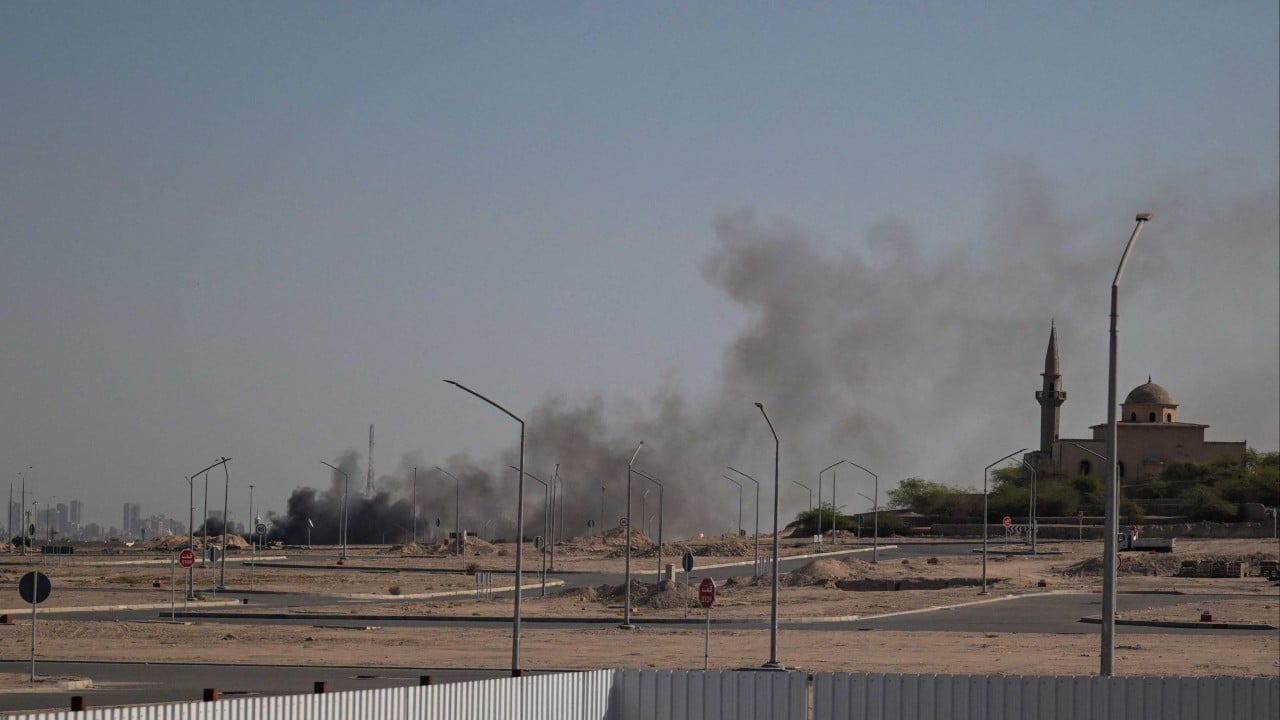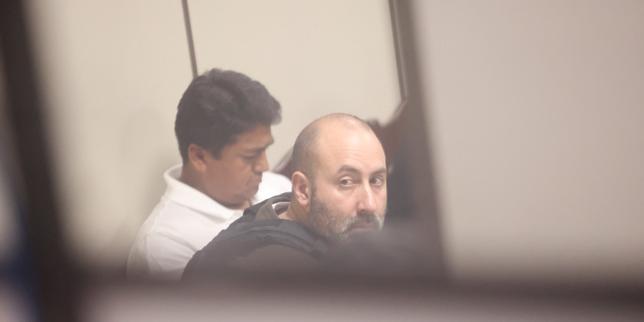
The arrest of political strategist Fernando Cerimedo in Santa Cruz de la Sierra marks a violent intersection where shadow-ops, continental right-wing networks, and criminal allegations collide. Long before Bolivian authorities detained him on charges of attempted femicide following the shooting of lawyer Nadia Beller, Cerimedo operated as the invisible architect behind some of the most disruptive digital campaigns in South America. He helped engineer Javier Milei’s 2023 presidential ascent in Argentina and amplified Jair Bolsonaro’s disputed electoral claims in Brazil. Now, the man who mastered the art of manufacturing digital reality finds himself cornered by physical evidence, a hospital bed testimony, and an expanding financial inquiry that reaches far beyond a domestic dispute.
The Digital Mercenary and the Machinery of Influence
Modern political consulting rarely resembles the smoke-filled rooms of the twentieth century. It lives in server farms, encrypted chat applications, and algorithm-driven content networks. Cerimedo understood this shift better than most. As the co-founder of La Derecha Diario and a key player in cross-border messaging operations, he functioned as a transnational digital mercenary. Meanwhile, you can read similar developments here: The Real Reason Andy Burnham Refuses to Call an Early Election.
When Brazil's federal police investigated the dissemination of fabricated electoral dossiers following the 2022 defeat of Jair Bolsonaro, Cerimedo's name surfaced at the epicenter. While investigators stopped short of criminal charges in that specific instance due to evidentiary thresholds regarding his direct knowledge of the forgery, the pattern was clear. He specialized in deploying rapid-fire disinformation that traveled faster than institutional fact-checking could ever hope to correct.
This model of influence relies on a simple premise: outrage scales faster than truth. By building alternate information ecosystems, strategists like Cerimedo could insulate entire political movements from mainstream scrutiny. Yet, the same disregard for institutional norms that fueled his professional rise ultimately created an environment where impunity felt absolute. To understand the bigger picture, check out the detailed article by The Washington Post.
Anatomy of a Trap in Santa Cruz
The immediate catalyst for Cerimedo's downfall is as grim as it is cinematic. On a Monday night in Santa Cruz de la Sierra, Nadia Beller was struck by three bullets fired by assailants disguised as delivery riders. Beller, a prominent local lawyer and activist, survived the shooting and immediately pointed investigators toward a chilling narrative.
According to statements given from her hospital room, Beller had been lured to the hotel under the guise of receiving sensitive documents concerning former Bolivian president Evo Morales. Instead, she walked into what prosecutors describe as a meticulously planned assassination plot. Surveillance footage and ballistic evidence quickly dismantled initial attempts to frame the incident as random street violence.
Bolivian authorities moved rapidly. Cerimedo, who had maintained close advisory ties to elements surrounding Bolivian president Rodrigo Paz Pereira, was intercepted before boarding a flight. The prosecution's case rests not merely on the testimony of the victim, but on a trail of digital footprints, communications, and forensic markers that tie the consultant directly to the logistics of the hit.
Beyond the Domestic Sphere
While the initial headline-grabbing charge is attempted femicide, the investigation has already metastasized into parallel inquiries regarding illicit enrichment. Power in contemporary Latin American politics flows through opaque financial channels, and political consultants of Cerimedo’s stature rarely operate on standard retainer fees alone.
Investigators in La Paz are examining how vast sums of capital moved through shell networks and digital platforms, connecting his consulting work in Argentina and Brazil to his recent maneuvers in Bolivia. The political fallout has sent shockwaves through Buenos Aires and Brasília, where former allies are scrambling to distance themselves from a liability they once embraced. Milei’s camp and right-wing figures across the region are confronting the uncomfortable reality of what happens when the architects of their digital victories become radioactive liabilities.
This is the ultimate legacy of the new-right communication ecosystem. It builds its foundations on a profound cynicism toward public trust, creating a culture where violence and manipulation are treated as acceptable tactical overhead. When the protection of power fails, the network collapses under the weight of its own internal contradictions.
Cerimedo sits in a Bolivian detention facility facing a judiciary that appears impervious to his old political connections. The digital strategist who once claimed he could manipulate reality with a single livestream now finds his freedom dictated by cold physical reality: hospital charts, ballistics reports, and the testimony of a woman who refused to stay silent.