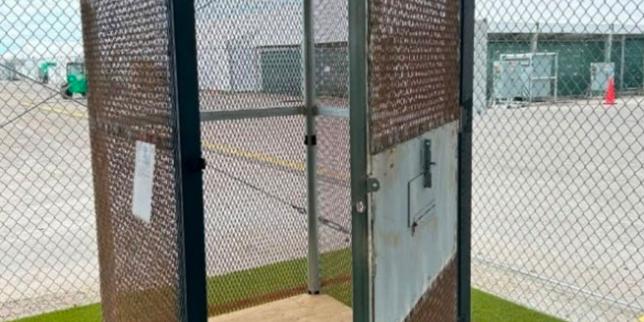
Phone-booth-sized metal enclosures shouldn't exist in modern American detention facilities, yet federal investigators recently confirmed they were deployed to lock up migrants in the Florida Everglades.
The Department of Homeland Security Office of Inspector General released a bombshell report detailing conditions inside the controversial makeshift detention camp commonly dubbed "Alligator Alcatraz". Detainees were shoved into small mesh and metal cages for stretches lasting anywhere from several minutes to nearly two hours.
It's a brutal reality that stunned human rights advocates. It crossed a line most thought constitutional safeguards would protect against.
The Reality Behind Alligator Alcatraz
When the South Florida detention site opened, state officials defended it as a necessary response to border pressures. But investigators found a system built on extreme physical degradation.
The tiny wire holding cells weren't just brief waystations. Officials euphemistically labeled them "calming areas" or spaces for detainees to "reflect on their behavior choices".
That bureaucratic spin falls flat when you look at the physical dimensions. These metal boxes offered barely enough room to stand, mimicking solitary confinement units built on a micro scale.
Human rights groups like Amnesty International and Human Rights Watch flagged severe overcrowding, medical neglect, and unsanitary conditions long before the inspector general's final confirmation. Bedding was sparse. Basic hygiene supplies ran out.
People caught in the net weren't violent felons. Many held zero criminal record, swept up in chaotic administrative enforcement operations.
Bureaucratic Defenses and Legal Pushback
State spokespeople and immigration authorities pushed back hard against the criticism. They claimed facilities adhered strictly to operational guidelines and maintained safe environments.
Yet the photographic evidence and federal findings tell a different story. Independent legal organizations, including the American Civil Liberties Union, filed emergency lawsuits to halt the systemic abuses.
They argued that hiding human beings in wire cages in remote swamplands violates basic due process and constitutional protections. The isolation of the Everglades location made oversight nearly impossible during the facility's active months.
Inspectors noted that standard housing units fell far short of mandated square footage minimums per person. Overcrowding transformed temporary holding spaces into permanent breeding grounds for despair.
The Broader Impact on Immigration Enforcement
This specific Florida experiment highlights a darker shift in American policy. When detention capacity overflows, states increasingly turn to private contractors and makeshift infrastructure.
Accountability vanishes in those environments. Oversight becomes an afterthought.
The fallout from these revelations goes beyond local politics. It exposes how easily humane treatment standards can erode under political pressure.
If a federal watchdog can walk into a domestic facility and document phone-booth cages used for punitive isolation, the baseline for civil rights in immigration enforcement has fundamentally shifted.
Watch the legal battles closely. The precedent set by the closure of these makeshift camps will dictate how future administrations handle the intersection of state-run enforcement and federal oversight.
Demand transparency from local representatives regarding private detention contracts. Push for independent monitoring boards that have unannounced access to every holding cell in the country.


