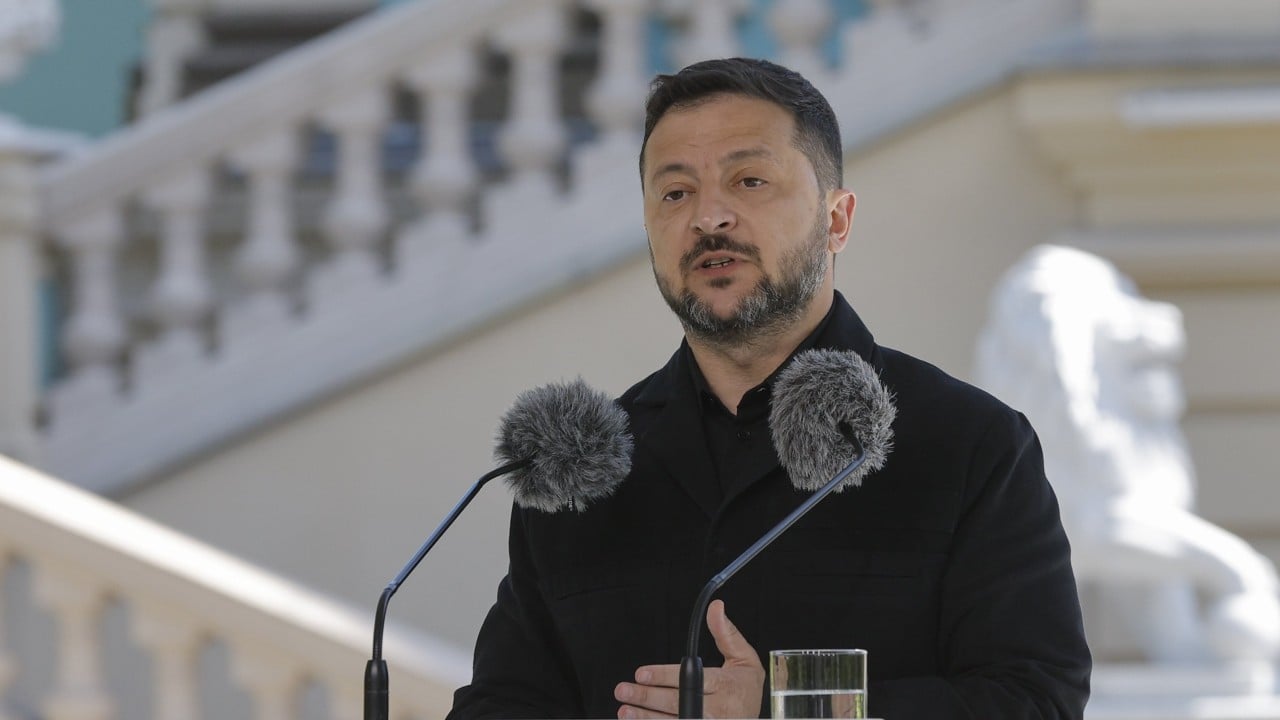
Kyiv is once again mobilizing its diplomatic apparatus for a critical series of negotiations with the special envoys of the United States administration. Ukrainian President Volodymyr Zelensky confirmed that his inner circle is actively preparing for direct communication following a flurry of secret intelligence backchannels and high-level visits. This upcoming diplomatic push arrives at an inflection point for the war, pressured heavily by an unprecedented wave of Russian drone onslaughts and quiet proposals for a high-level trilateral summit originating from Washington intelligence chiefs.
The mechanics of these impending discussions extend far beyond standard diplomatic pleasantries. Following an unannounced mission to Moscow by CIA Director John Ratcliffe—where a potential summit involving Donald Trump, Volodymyr Zelensky, and Vladimir Putin was floated—the structural parameters of the peace process are shifting rapidly. Washington is attempting to inject momentum into a stalled track, leaning on a dual approach of maintaining pressure through shifting tactical realities on the ground while testing the waters for an air ceasefire or partial de-escalation framework.
The Intelligence Blueprint and the Moscow Backchannel
Secret intelligence missions rarely leak without a purpose. When the director of the Central Intelligence Agency touched down in Moscow without public notice, it signaled that traditional diplomatic channels were being bypassed in favor of raw, high-stakes personalist statecraft. The proposal delivered to the Kremlin aimed at setting up a direct table for the three primary leaders.
For Kyiv, adapting to this American initiative requires walking a precarious tightrope. Ukrainian officials must align themselves with Washington's desire for a realistic trajectory toward ending hostilities without signing onto premature frameworks that ignore territorial integrity or leave cities exposed to sustained aerial destruction. Over a recent four-day window alone, Russian forces hurled nearly fifteen hundred drones at Ukrainian targets, including hundreds of sophisticated jet-powered variants. These figures underscore why Kyiv views any conversation about peace through the immediate lens of survival and hardware delivery, specifically air defense interceptors capable of shielding crumbling energy infrastructure.
The Envoys and the Logistics of Persuasion
The upcoming communication relies heavily on the administration's primary diplomatic troubleshooters. The involvement of key presidential confidants and special envoys means that the dialogue will bypass standard State Department bureaucracy. This direct-line diplomacy has its perks, but it introduces volatility. Transactions replace treaties. Personal relationships outweigh institutional alliances.
Kyiv's strategy during these preparatory phases centers on sharing tactical assessments of the front lines. Ukrainian leadership has pushed hard to convince Washington that the strategic reality inside Russia—dictated by expanding long-range drone campaigns hitting deep military logistics—creates genuine incentives for Moscow to consider capping the scale of the war. If the White House can be convinced that an air ceasefire is mutually beneficial before a comprehensive political settlement is reached, it could provide a temporary reprieve for civilian populations while larger structural bargains are thrashed out behind closed doors.
Yet, the friction points remain glaringly obvious. The Kremlin continues to insist on maximalist demands, requiring wholesale territorial concessions from Ukraine as a baseline entry fee for peace. Meanwhile, Ukrainian military planners warn that any ceasefire proposal that lacks rigorous enforcement mechanisms will simply be used by Moscow to reset logistics and prepare for a subsequent ground push against major urban centers.
The Risk of Rushed Outcomes
The push by Washington to secure tangible diplomatic wins on an accelerated timeline risks producing fragile agreements that fracture under the weight of field realities. History shows that hurried accords designed more for political optics than military sustainability tend to collapse within months.
As the Ukrainian team finalizes its positions for the incoming communications, the stakes could not be higher. The objective defined by Kyiv is straightforward: ensure that total war does not remain the sole remaining option for the region's future. Whether Washington's envoys bring enough substantive leverage to bridge the vast chasm between Moscow's hardline positions and Ukraine's absolute red lines will dictate the trajectory of the conflict as the colder months approach.