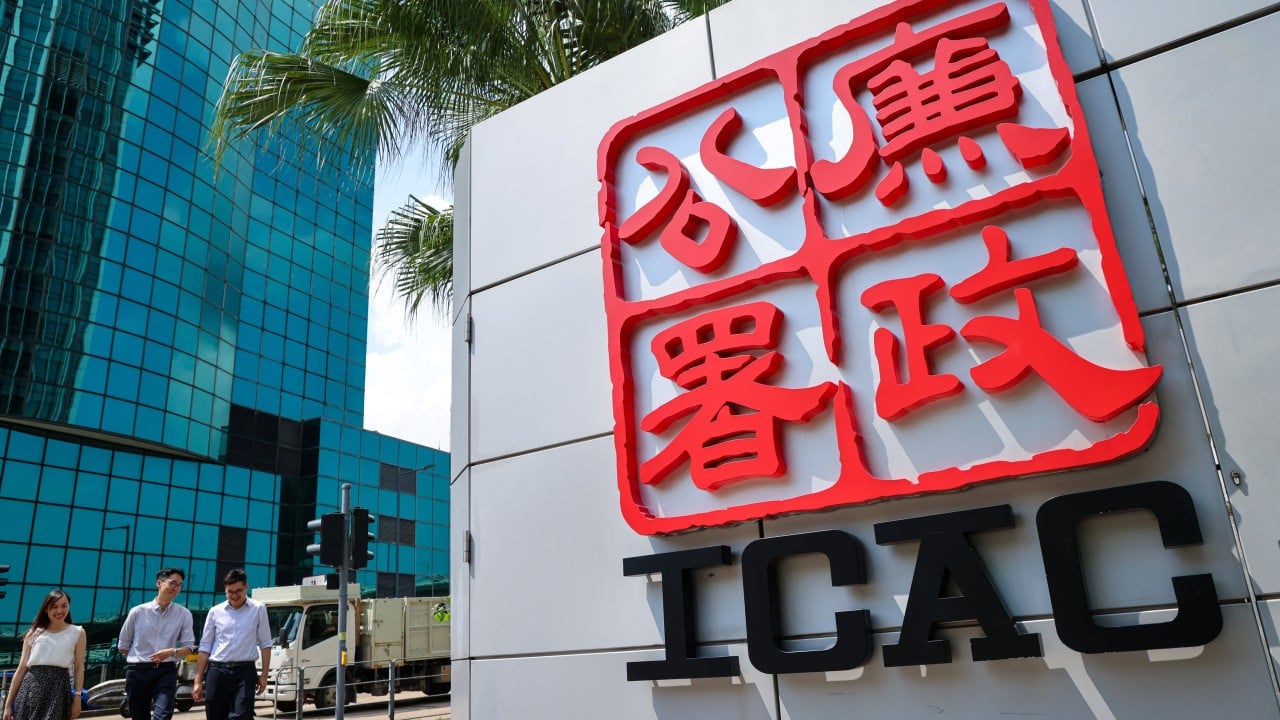
Fifty arrests across twenty-seven housing estates totaling an estimated HK$500 million in inflated contracts do not happen in a vacuum. When the Independent Commission Against Corruption, the police, and the Competition Commission synchronized their raids across thirty-nine locations, they did not just dismantle an ordinary commercial conspiracy. They exposed an entrenched urban ecosystem where aging real estate, lax governance, and organized crime merge into a lucrative extortion machine targeting ordinary property owners.
For decades, the mechanics of property maintenance scams in dense metropolitan environments have relied on a predictable formula of intimidation, administrative loopholes, and bought-off intermediaries. The recent multi-agency crackdown demonstrates how modern syndicates operate across jurisdictions and disciplines, utilizing everything from corporate shell companies to triad-linked enforcement to milk apartment owners associations of their life savings.
At the heart of the operation lies an engineering contractor accused of functioning as the ringleader. Investigators detail a modus operandi that begins long before any physical scaffolding goes up. Syndicates target residential blocks with aging facades and mandatory inspection notices, knowing that property owners face legal penalties if they fail to act. Panic becomes the primary sales tool. Once owners feel the pressure of impending government orders, the syndicate moves to capture the decision-making apparatus.
Bribery of owners' corporation members and project consultants serves as the initial wedge. According to anti-graft investigators, conspirators systematically concealed past criminal convictions within tender evaluation reports, presenting compromised contractors as clean, competent choices. To bypass the oversight of general owner meetings—where vigilant residents might raise inconvenient questions—organizers routinely split major renovation projects into smaller financial packages. Each sub-contract sits just beneath the statutory threshold required for broad homeowner authorization, effectively locking out dissenting voices.
The corruption extends deeply into technical gatekeeping. Registered inspectors and structural engineers, whose professional licenses exist to protect public safety, allegedly abandoned their oversight duties. In one instance uncovered by police, three suspects allegedly conspired to submit thirteen forged works-completion certificates to the Buildings Department. The catch, revealing breathtaking administrative negligence, was that the signatures belonged to a registered inspector who had already died. When dead men sign off on structural integrity, the regulatory framework has ceased to function.
Parallel to the graft investigated by the anti-graft agency, the Competition Commission uncovered systemic market manipulation across twenty-three estates. Syndicates distributed standardized pricing instructions, colloquially known as homework, ensuring that competing bids were nothing more than theatrical illusions. Cooperating firms submitted inflated cover bids to make the predetermined winner look reasonable by comparison. Intermediaries coordinated between rival syndicates to divide territory, sharing the spoils of urban decay without engaging in actual market competition.
The presence of triad elements among the detained suspects underscores the physical reality underpinning these white-collar crimes. Maintenance rigging is rarely a purely administrative dispute. Owners who attempt to audit accounts, question ballooning budgets, or organize opposing factions frequently report intimidation, property damage, or direct harassment. Illegal gambling dens and financial hubs raided during the operation point directly to the liquidity pipeline moving illicit profits from residential repair funds into underworld accounts.
Fixing this systemic vulnerability requires more than periodic high-profile arrests. Property management structures in high-density high-rises remain dangerously fragile, relying on volunteer homeowners who often lack the technical literacy to audit engineering blueprints or spot doctored financial statements. When the cost of structural concrete repair scales into the millions, the incentive for bad actors to corrupt the process scales right alongside it.
Legislative changes and enhanced non-collusion clauses introduced by watchdogs add legal armor, but enforcement remains reactive. Until statutory thresholds for project approval are tightened and independent forensic audits become mandatory for aging residential stock, the structural rot inside building management will continue to outpace the authorities trying to dig it out.