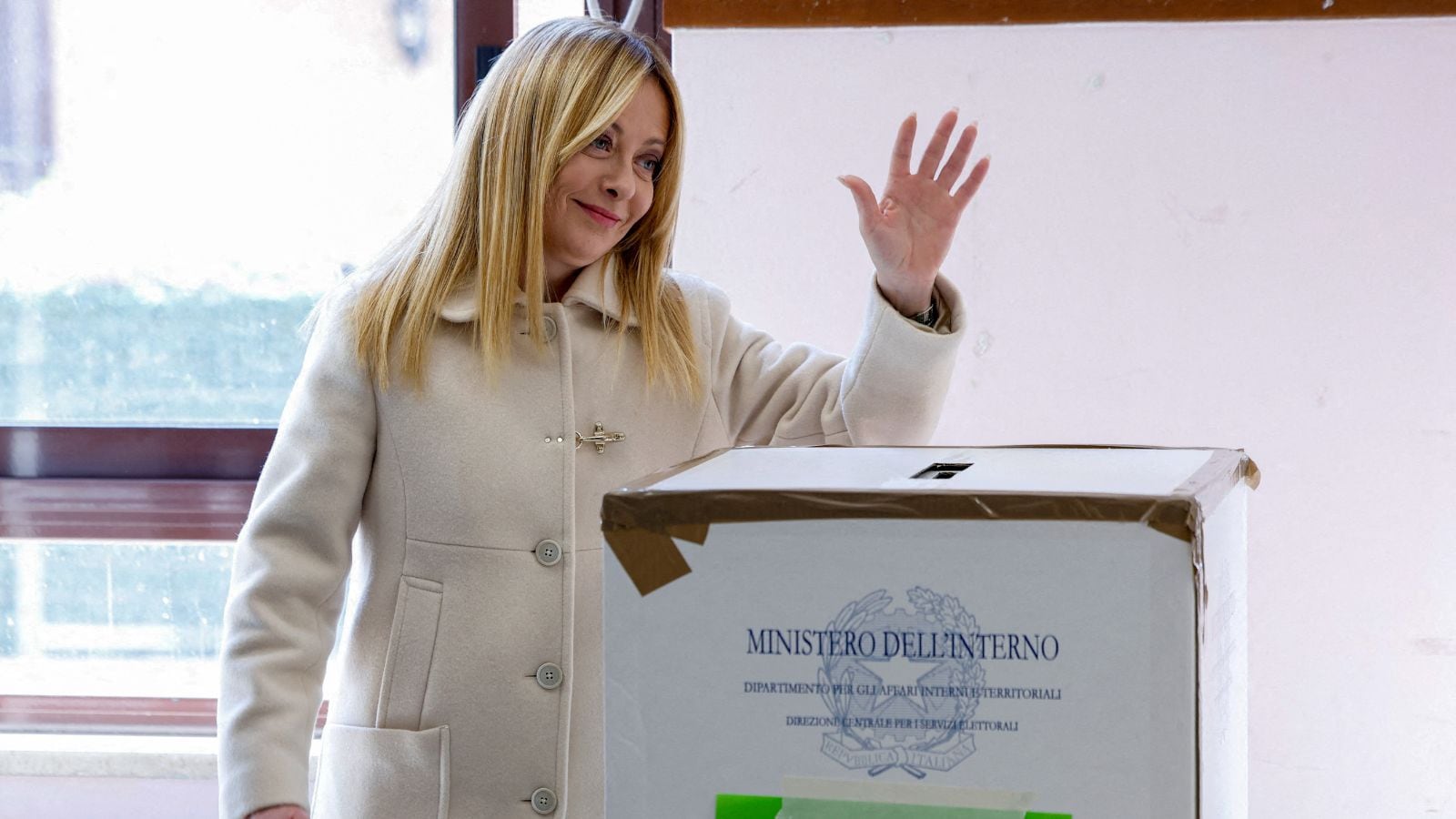
Prime Minister Giorgia Meloni’s administration has pushed through a sweeping legislative decree targeting public education. The policy establishes a rigid 30 percent ceiling on students with insufficient command of the Italian language in any single classroom. It simultaneously prohibits full-face coverings such as the niqab and burqa across school grounds.
Official figures from the Ministry of Education reveal that non-citizen students represent approximately 11.6 percent of the nation's total student body. While that aggregate percentage appears manageable on paper, geographical clustering tells a starkly different story. In urban industrial centers across northern and central Italy, systemic migration patterns have concentrated non-native speakers into specific neighborhoods. Consequently, thousands of individual classrooms routinely exceed the new threshold, creating logistical hurdles for local administrators. You might also find this similar coverage useful: The Strait of Hormuz Chokepoint Crisis And Tehran's High Stakes Gamble.
The government frames the intervention around integration and resource allocation. Proponents argue that classrooms with dense concentrations of pupils who lack fluency in the national tongue inevitably slow down general instruction. Teachers are forced to divide their attention, which critics of the previous status quo claim dilutes educational quality for native and immigrant children alike. By dispersing students and mandating supplementary language support backed by millions in state funding, Rome insists the objective is to prevent the formation of academic enclaves.
Yet, viewing this decree solely through the lens of pedagogical theory misses the underlying political mechanics. Political analysts across Rome point to a different catalyst. The far-right landscape in Italy has shifted dramatically, with nationalist factions to the right of Meloni’s Brothers of Italy party gaining traction by criticizing the administration for moderating its hardline stance on immigration. As extensively documented in detailed coverage by The New York Times, the effects are significant.
Pressure from insurgent populist movements has left traditional conservative leaders scrambling to secure their base. Measures targeting cultural symbols and foreign enrollment serve a dual purpose. They signal ideological resolve to disgruntled voters while testing the limits of judicial and constitutional tolerance.
Implementing the 30 percent cap poses monumental administrative bottlenecks. Local school boards must untangle complex webs of proximity, disability accommodations, and family logistics to redistribute students who fall outside the permitted ratio. Critics note that without a massive influx of funding for staffing and structural expansion, the directive risks creating chaotic reassignments rather than functional integration.
The battle lines over Italian education are drawn not merely along partisan divides, but around the practical definition of civic identity in a changing Mediterranean state. As the academic year progresses, the gap between legislative ambition and institutional reality will determine whether these rules reshape classrooms or stall out against administrative gridlock.
Inside Italy's New School Policy
This video provides an overview of the Italian government's recent legislative decree regarding school classroom caps and face covering restrictions.