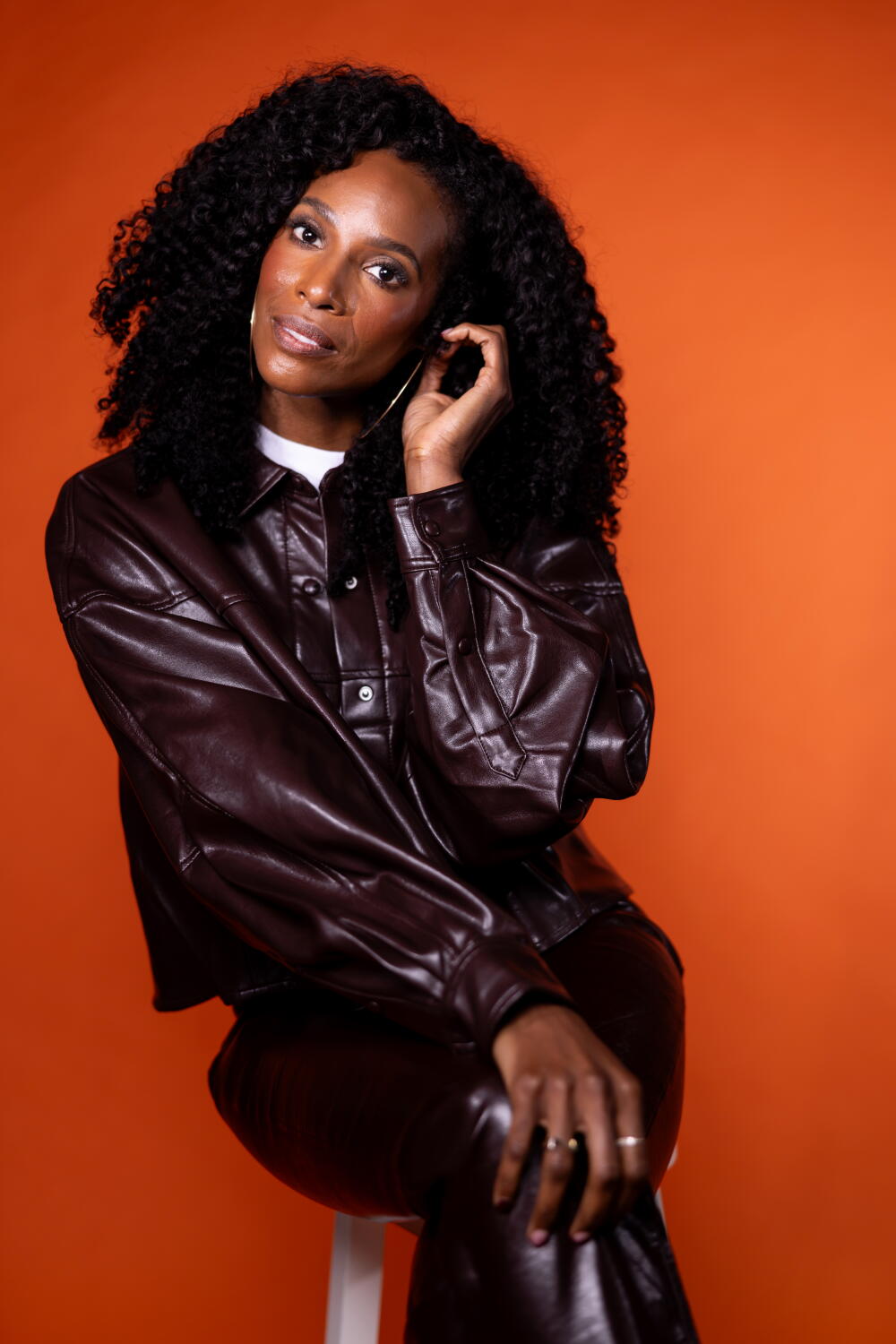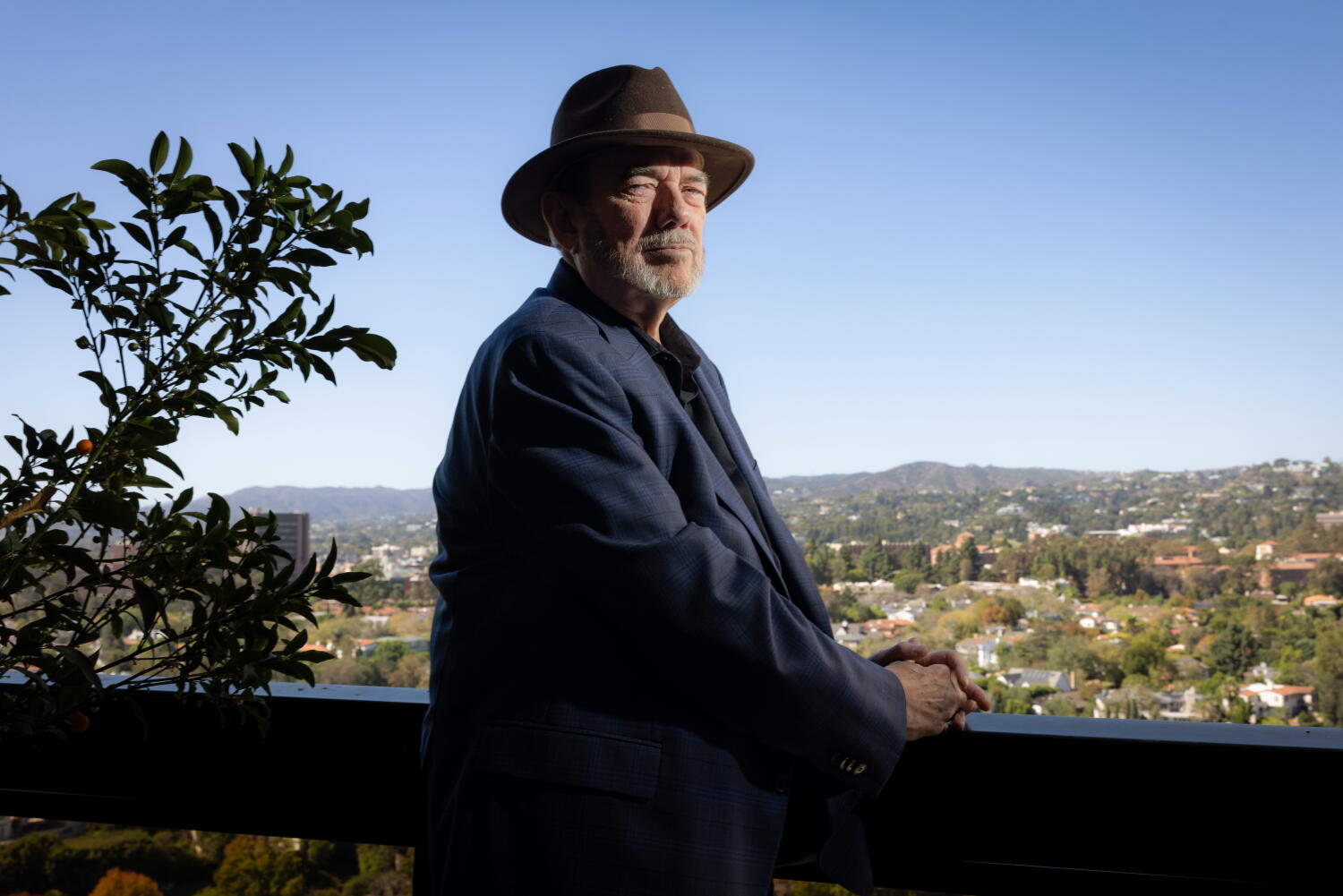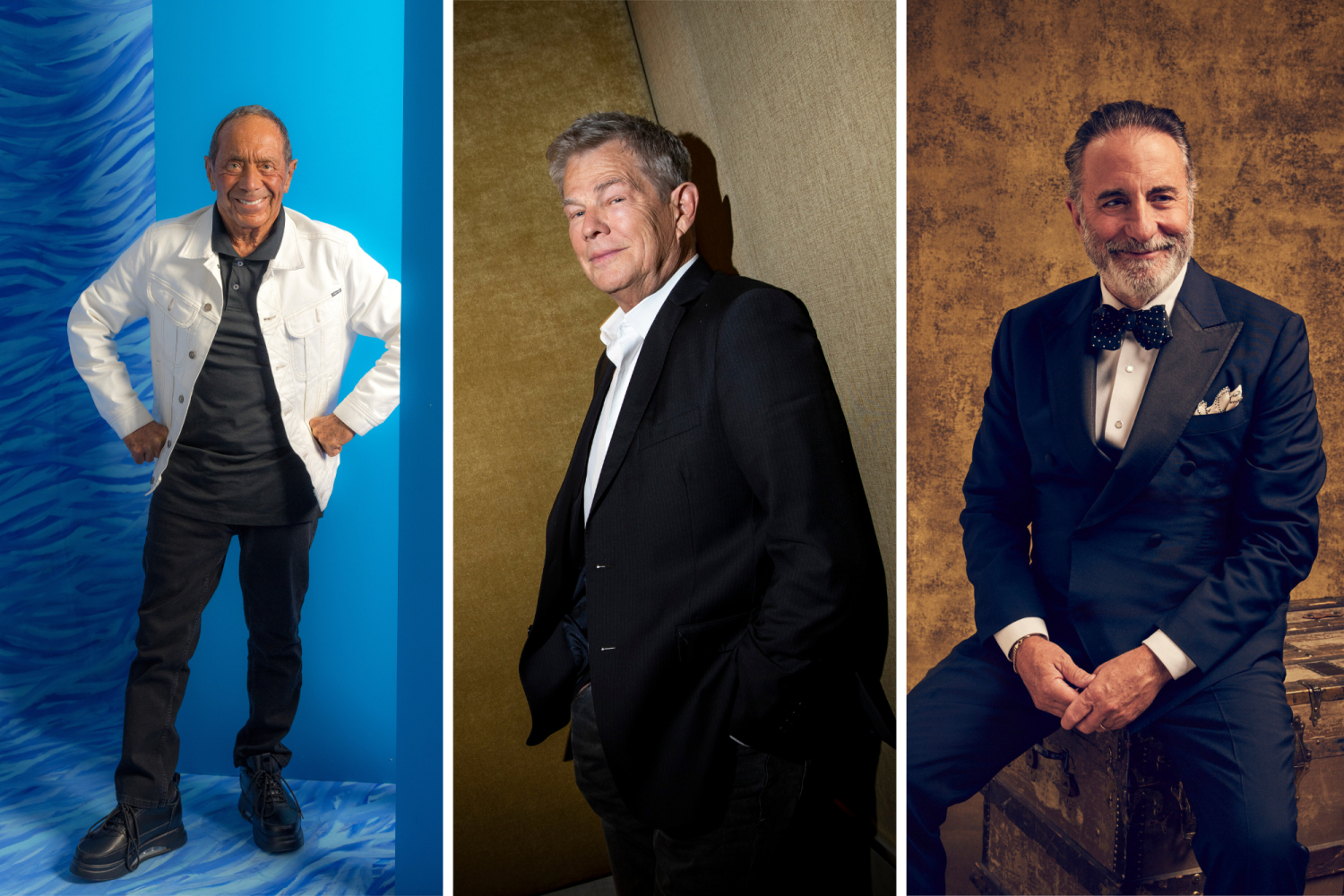
The John F. Kennedy Center for the Performing Arts announced that Paul Anka, David Foster, and Andy Garcia will receive the prestigious Kennedy Center Honors, a selection strategy designed to stabilize an institution currently navigating severe political, financial, and leadership turmoil. By choosing three veterans of mainstream music and cinema with broad, cross-generational appeal, the embattled Washington, D.C. cultural hub is attempting to insulate its flagship fundraising gala from partisan boycotts and donor fatigue. This pivot toward traditional, commercially proven entertainers marks a deliberate retreat from the riskier, avant-garde, or politically outspoken honorees that have triggered public backlash in recent years.
For decades, the annual December medallion ceremony stood as a rare bipartisan truce in the nation's capital. Presidents from both parties sat in the presidential box alongside artists ranging from George Carlin to Dolly Parton, signaling that American artistic achievement transcended legislative gridlock. That consensus fractured entirely during the late 2010s and never fully repaired itself.
When honorees began openly threatening to boycott the White House reception—or when sitting presidents skipped the gala altogether to avoid the resulting media spectacle—the institutional foundation of the Kennedy Center Honors cracked. Since then, every slate of recipients has functioned less as a pure meritocracy of the arts and more as a high-stakes diplomatic balancing act.
The Anatomy of an Embattled Institution
To understand why Paul Anka, David Foster, and Andy Garcia are on the roster right now, you have to look at the ledger books rather than the playbills. The Kennedy Center operates under a unique, hybrid public-private model that leaves it perpetually vulnerable to political winds. While federal appropriations cover the maintenance, security, and operations of the physical marble monument along the Potomac River, the artistic programming—and the massive gala itself—relies heavily on private philanthropy, corporate sponsorships, and ticket sales.
The Kennedy Center Honors broadcast and dinner serve as the single largest fundraising engine for the institution's annual operating budget. Corporate tables at the event routinely sell for tens of thousands of dollars, purchased by defense contractors, lobbying firms, telecommunications giants, and bipartisan trade associations.
When the event becomes a lightning rod for culture-war disputes, those corporate sponsors get nervous. A Fortune 500 government-relations executive does not want their brand associated with a televised political protest, nor do they want to alienate whichever party currently holds committee chairmanships on Capitol Hill.
Recent leadership shakeups, board restructuring debates, and lingering post-pandemic deficits have placed unprecedented pressure on the Center's executive suite. Programming missteps or polarizing honoree selections carry an immediate financial penalty.
If major donors sit out the December weekend, the shortfall ripples through the entire fiscal year, threatening educational outreach programs, National Symphony Orchestra tours, and subsidised community performances. The board needed a slate that would guarantee full tables, calm the anxieties of institutional underwriters, and deliver a smooth, uncontroversial broadcast for network television.
Why Paul Anka Represents the Ultimate Institutional Safe Harbor
Paul Anka is the exact archetype of the legacy artist performing arts boards turn to during periods of institutional turbulence. Over a career spanning more than six decades, the Canadian-American singer and songwriter has embedded himself so deeply into the fabric of Western popular music that his catalog functions as neutral cultural currency.
From teenage idol hits like "Diana" and "Put Your Head on My Shoulder" to writing the English lyrics for Frank Sinatra's signature anthem "My Way" and composing the theme for The Tonight Show Starring Johnny Carson, Anka's work belongs to everyone and offends no one.
In the mechanics of gala production, Anka solves multiple problems simultaneously. First, he appeals directly to the core demographic of major performing arts philanthropists—affluent donors in their sixties, seventies, and eighties who grew up with his music and view his career as the gold standard of classic showmanship.
Second, his catalog offers television producers effortless tribute segments. Almost any contemporary vocalist, from Michael Bublé to Lady Gaga, can step onto the Opera House stage and perform a recognizable Anka composition without requiring complex staging or risking an awkward reception from the mezzanine.
There is also a practical administrative reality at play. At his age, honoring Anka eliminates the lingering criticism among music historians that the Center waited too long to recognize one of the most prolific hitmakers of the twentieth century. It is a overdue coronation that allows the selection committee to claim historical rigor while simultaneously playing it completely safe.
The David Foster Factor and Industry Leverage
If Paul Anka brings nostalgic reassurance, David Foster brings unmatched industry utility. To the casual television viewer, Foster is a familiar face from reality television appearances, high-profile marriages, and charity galas. Within the upper echelons of the recording industry, however, he is one of the most powerful architects of adult contemporary and pop music over the past forty years.
With sixteen Grammy Awards and a production discography that includes Whitney Houston, Celine Dion, Chicago, Barbra Streisand, Andrea Bocelli, and Earth, Wind & Fire, Foster's inclusion satisfies a specific institutional need: star-power guarantees.
Producing the Kennedy Center Honors telecast is a logistical nightmare. Unlike the Grammys or the Oscars, where nominees show up hoping to win a trophy, the Honors rely entirely on A-list performers agreeing to fly to Washington in the dead of winter to perform unpaid tributes for someone else. When an institution is embroiled in controversy, booking top-tier talent becomes exponentially harder. Agents steer their clients away from messy political optics.
Naming David Foster as an honoree effectively outsources a massive portion of the talent-booking burden. Foster's personal Rolodex is legendary in Los Angeles and New York.
Artists who might ignore a call from a Kennedy Center producer will pick up the phone for the man who produced their biggest platinum records. His presence on the bill practically ensures that the television broadcast will feature powerhouse vocal performances, protecting the network ratings that justify the licensing fee paid to the Center.
The Backstage Politics of Producer Honors
Recognizing a behind-the-scenes producer and arranger rather than strictly front-of-house performers also reflects a subtle shift in how the selection committee defines artistic merit. Historically, the Kennedy Center Honors favored iconic soloists, actors, dancers, and conductors—figures whose faces were immediately recognizable to the general public.
Honoring a studio architect like Foster acknowledges that modern popular culture is shaped just as heavily in the control room as it is on the stage. Yet critics of the selection process point out a glaring gray area: producers who run massive charitable foundations and sit on overlapping entertainment boards naturally accumulate immense institutional goodwill.
It becomes difficult to separate pure artistic evaluation from decades of mutual back-scratching within the entertainment establishment. Foster undeniably possesses the commercial metrics to justify the medallion, yet his selection also illustrates how tightly woven the gala has become with the traditional power brokers of the music business.
Andy Garcia and the Calculation of Cultural Representation
Andy Garcia's inclusion rounds out the trio by addressing a persistent vulnerability in the Kennedy Center's historical record: the chronic underrepresentation of Latino artists. Over the past decade, advocacy groups, media critics, and lawmakers have repeatedly scrutinized the Honors for overlooking Hispanic performers, directors, and musicians despite their foundational contributions to American cinema and music.
Born in Havana before fleeing to Miami with his family following the Cuban Revolution, Garcia built a formidable Hollywood career across four decades. His Oscar-nominated turn in The Godfather Part III, alongside standout roles in The Untouchables, When a Man Loves a Woman, Ocean's Eleven, and his passion project The Lost City, established him as a leading man of rare versatility. Beyond acting, his work as a Grammy-winning producer and passionate preservationist of Afro-Cuban jazz gives him cross-disciplinary credibility that fits the Center's stated mission.
From a strategic standpoint, Garcia is a remarkably calculated choice. His personal history—shaped by exile from communist Cuba—carries profound resonance in conservative political circles, particularly among lawmakers in Washington and voters in South Florida. At the same time, his status as a respected Hollywood veteran and champion of Latino arts organizations satisfies progressive calls for greater diversity on the Opera House stage.
He bridges an ideological divide that has tripped up the Center's selection committee in the past. Honoring an artist whose life story embodies the classic immigrant success narrative allows the institution to celebrate diversity without triggering accusations of partisan activism.
What the Selection Committee Left on the Cutting Room Floor
To truly evaluate any slate of Kennedy Center Honors recipients, you have to examine who was passed over. Every year, the Center's Special Honors Advisory Committee—a rotating group of board members, past honorees, and arts executives—sifts through hundreds of nominations submitted by the public and industry insiders.
In recent cycles, there has been intense internal pressure to modernize the broadcast by inducting pioneers of hip-hop, heavy metal, electronic music, and contemporary boundary-pushing theater. While the Center broke ground by honoring LL Cool J and Queen Latifah in previous years, those moves also sparked debates among traditionalist subscribers who felt the gala was drifting away from its classical and Broadway roots.
By elevating Paul Anka, David Foster, and Andy Garcia in the same cycle, the committee is signaling a deliberate course correction. They bypassed potentially polarizing rock icons, outspoken political comedians, and avant-garde visual artists in favor of three figures who represent traditional craftsmanship, formal elegance, and mainstream accessibility.
This approach comes with an obvious creative cost. The Kennedy Center Honors are at their most electric when they introduce a mainstream television audience to a rebellious genius—think of Led Zeppelin bringing the Opera House to its feet, or Chita Rivera reminding the nation of the sheer athleticism of Broadway dance. A slate dominated by adult contemporary pop and classic Hollywood melodrama risks feeling predictable, safe, and slightly dated to younger viewers.
The Structural Flaw in the Honors Selection Process
The recurring controversies surrounding the Kennedy Center highlight a deeper, unresolved flaw in how America recognizes its cultural icons. Unlike the Nobel Prizes, which are adjudicated by specialized academic academies insulated from commercial sponsorship, the Kennedy Center Honors are inextricably tied to network television ratings and Washington fundraising.
Consider a hypothetical scenario to see how this conflict plays out behind closed doors. Suppose a selection committee is weighing two candidates for the final slot on the roster: an uncompromising independent filmmaker whose work challenges American foreign policy, and a beloved sitcom star whose syndicated reruns air nightly across the country.
In a pure artistic vacuum, the filmmaker might have the stronger claim to transformative cultural impact. In the reality of a financially stressed performing arts center, the sitcom star wins nine times out of ten because their presence guarantees network promotion, corporate table sales, and zero awkward questions during red-carpet interviews.
This structural tension means the Honors can never truly function as an objective barometer of artistic greatness. They are a reflection of what the Washington establishment feels comfortable celebrating at a given historical moment. When the institution is secure and the political climate is calm, the committee takes creative risks. When the institution is embattled, the committee retreats behind a wall of tuxedoed nostalgia.
The Television Ratings Dilemma
Even the safest honoree slate cannot entirely insulate the Kennedy Center from the broader collapse of linear broadcast television. For decades, the post-Christmas CBS broadcast of the Kennedy Center Honors regularly drew upwards of ten million viewers, serving as a prestigious year-end showcase for the network.
In recent years, like virtually every non-sports live event on network television, viewership has steadily eroded, dipping to historic lows as younger audiences abandon traditional broadcasts for streaming platforms and short-form social video.
This demographic shift creates a Catch-22 for the Center's leadership. If they book younger, viral artists to chase streaming engagement, they risk alienating the older philanthropic base that funds the building's endowment. If they book legacy figures like Paul Anka and David Foster to please the donor class, they all but guarantee that the television broadcast will skew overwhelmingly older, diminishing its cultural footprint in the broader media conversation.
The Center has attempted to bridge this gap by pairing veteran honorees with younger tribute performers—bringing in contemporary pop stars to reinterpret classic songs for viral clip potential. It is a clever production workaround, yet it underscores the precarious balancing act required to keep a twentieth-century cultural institution relevant in a fragmented media market.
Navigating the White House Protocol Minefield
No analysis of the modern Kennedy Center Honors is complete without addressing the elephant in the room: the East Room reception. Historically, the weekend's festivities begin at the State Department on Saturday night, move to the White House on Sunday afternoon where the President formally drapes the rainbow-ribboned medallions around the honorees' necks, and culminate at the Kennedy Center Opera House that evening.
When that chain of protocol breaks down, the entire event suffers reputational damage. If an honoree publicly refuses to attend the White House portion of the weekend, the media coverage immediately shifts from artistic tribute to political theater. Conversely, if a sitting administration views the slate as hostile, the White House may downgrade its participation, stripping the event of the presidential prestige that separates it from a standard Hollywood awards show.
Anka, Foster, and Garcia represent the lowest possible flight risk for protocol officers on both sides of Pennsylvania Avenue. All three men are seasoned professionals accustomed to navigating high-level diplomatic, corporate, and philanthropic spaces.
Anka has performed for heads of state around the globe for sixty years. Foster has spent decades raising millions for pediatric organ transplants through his foundation, working seamlessly alongside political figures of every ideological stripe. Garcia has consistently maintained a dignified, measured public persona that prioritizes his craft and heritage over partisan soundbites.
For an embattled Kennedy Center administration, that predictability is worth its weight in gold. It increases the likelihood that the traditional weekend itinerary—from the State Department dinner to the presidential box—will proceed without a single unscripted walkout or viral boycott threat.
What Comes After the Safe Bet
Choosing Paul Anka, David Foster, and Andy Garcia buys the Kennedy Center time, stability, and a guaranteed night of polished entertainment. It quiets the immediate noise surrounding the institution's governance and ensures that corporate sponsors will write their checks for the December gala without hesitation.
Yet playing defense is not a long-term cultural strategy. A national performing arts center cannot survive indefinitely on nostalgia and risk aversion alone; eventually, it must confront the harder questions of artistic relevance, generational turnover, and how to honor boundary-pushing creators in a deeply polarized society.
Until the institution resolves the underlying friction between its dependence on partisan-sensitive funding and its mandate to celebrate fearless artistic expression, every December medallion ceremony will remain less a triumph of art than a masterclass in survival.