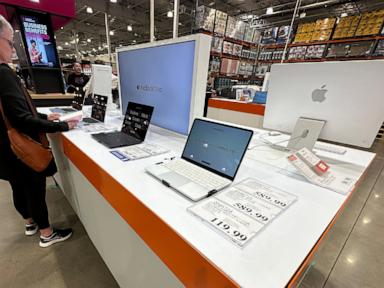
Apple has raised the global prices of its Mac and iPad lineups by up to 33 percent, passing surging memory chip costs directly to consumers for the first time in years. The immediate price adjustments hit overnight, sending shockwaves through the tech sector and erasing roughly $270 billion from Apple’s market capitalization as shares tumbled 6.1 percent. While the tech giant blamed an unprecedented crunch in data center demand for memory, the reality of this sudden pricing maneuver exposes deeper vulnerabilities in Apple’s highly praised supply chain.
The strategy behind the hikes protects Apple’s massive gross margins at a time when raw components are becoming wildly expensive. By leaving the cash-cow iPhone pricing untouched ahead of its traditional September hardware refresh, Apple is isolating its most critical revenue driver from immediate consumer backlash. The price updates, however, are sweeping. The recently introduced MacBook Neo jumped from $599 to $699, effectively destroying its pricing advantage over budget Windows competitors. The 512GB MacBook Air shifted from $1,099 to $1,299, while the premium 16-inch MacBook Pro saw its base entry price climb from $2,499 to $2,999.
The AI Gold Rush Squeezing Out Consumer Tech
At the center of this sudden market correction is a massive reallocation of silicon manufacturing capacity. The global explosion of artificial intelligence infrastructure has turned hyperscale data center operators into the most lucrative clients for semiconductor firms.
Major memory fabrication giants like Samsung, SK Hynix, and Micron are aggressively shifting their factory lines away from standard consumer DRAM and NAND flash storage. Instead, they are prioritizing high-bandwidth memory required by specialized artificial intelligence processors. The financial incentive is immense. Micron recently posted a fifteen-fold increase in quarterly profits, driven by high-margin supply deals. Because tech companies building server clusters are willing to pay massive premiums to secure allocations, standard computing components have faced a brutal supply contraction.
Industry tracking data shows the immediate fallout of this imbalance. DRAM prices soared by up to 98 percent in the first quarter of 2026, with an additional 60 percent climb hitting the market right now. This rapid inflation has left consumer hardware brands with zero leverage. Even a buyer as massive as Apple can no longer dictate terms to component manufacturers when data center operators are holding blank checks.
The Illusion of Supply Chain Invincibility
For decades, Apple operated under the assumption that its sheer scale made it immune to macro-level supplier shocks. Its operational blueprint relies on locking down long-term volume agreements years in advance, effectively forcing component suppliers to absorb short-term price volatility.
This crisis proved different. The scale of the current high-bandwidth memory shift shattered those traditional defenses. Apple’s internal policy has always been to maintain product margins between 38 and 43 percent. When component prices increase sixfold over twelve months, preserving those numbers without a retail price adjustment becomes mathematically impossible.
The overnight nature of the price hikes across the Mac Store, including the immediate repricing of certified refurbished inventory, indicates a reactive scramble rather than a planned strategic shift. Buyers are paying hundreds of dollars more for identical hardware that sat on shelves a day prior. No extra memory, no upgraded storage configurations, and no new features accompanied the higher sticker prices.
Geopolitical Standoffs and Limited Options
Apple's vulnerability is deepened by its restricted supplier options. To mitigate rising costs, the company previously explored qualifying memory from Chinese flash memory producers like YMTC and CXMT.
Those efforts ran directly into a geopolitical wall. Intense scrutiny from Washington policymakers and national security officials effectively blocked Apple from integrating these lower-cost components into its global product lines. This left the company entirely dependent on the top-tier memory triumvirate of Micron, Samsung, and SK Hynix. With those three suppliers operating at near-maximum capacity for server clients, Apple found itself stuck in a corner with no alternative supply lines to exploit.
The competitive impact will be felt most acutely at the entry level. The MacBook Neo was engineered specifically to capture the education sector and challenge low-cost Chromebooks. At $599, it was a highly compelling option. At $699, it sits flush against premium Windows laptops, erasing an entry point that was supposed to drive substantial ecosystem growth.
The iPhone Shadow Over the Autumn Market
While the Mac and iPad lines are bearing the brunt of the current market adjustment, the broader question centers on the upcoming iPhone cycle. Senior device market researchers indicate that keeping smartphone pricing flat right now is an intentional public relations buffer.
By absorbing the memory cost spikes on the iPhone for a few more weeks, the company prevents price increases from dominating the headlines during its most significant launch window of the year. The component reality remains unchanged, however. Advanced smartphones require dense, high-performance mobile DRAM to run on-device artificial intelligence models locally. If wholesale component pricing does not correct by the end of the year, the eventual margin pressure on the iPhone will become too heavy for Apple's balance sheet to carry quietly.
Instead of a temporary bump, this global repricing looks like the baseline for the foreseeable future. The electronics industry is facing a fundamental reality where the infrastructure powering remote servers directly dictates the cost of the device sitting in your hand.