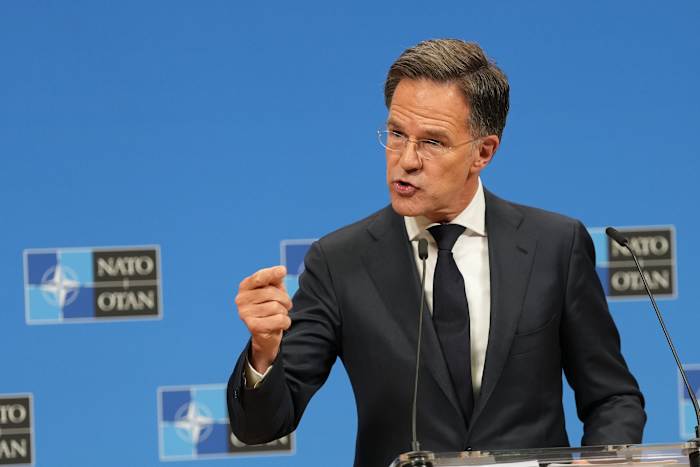
NATO Secretary-General Mark Rutte enters the White House today on a damage-control mission aimed at preventing a total fracturing of the transatlantic alliance. Faced with an American administration openly reviewing its military presence in Europe and threatening withdrawal, Rutte is deploying a strategy of intense personal flattery to placate a volatile president. However, the core vulnerability of this approach is that it treats a structural, geopolitical shift as a mere personality clash. Flattering the American president will not fix the underlying fractures exposed by the ongoing Iran war. European capitals are increasingly refusing to act as logistical launchpads for American military campaigns, and that defiance is driving a wedge into the alliance that no amount of charm can easily repair.
The Flattery Trap at the Heart of Atlantic Diplomacy
For months, European diplomats have treated the former Dutch prime minister as their ultimate shield against American isolationism. His reputation as the premier diplomat capable of handling Washington relies entirely on public performances.
On Tuesday night, Rutte went on Fox News to offer full backing for Washington's actions in the Middle East. He brushed off deep structural blockages, such as European nations denying the U.S. military the use of domestic airbases to strike Iranian targets, as isolated incidents.
Last year, he even used a highly unusual rhetorical flourish, referring to the American president as "daddy" during an alliance summit, followed by a text message promising that Europe would pay for defense "in a BIG way."
The strategy treats foreign policy like a performance art project. While it successfully delayed a formal exit notice throughout the spring, the limits of transactional flattery are rapidly becoming clear.
The Base Denial Crisis
The real friction inside the alliance right now is not about budgets or defense spending targets. It centers on operational control and sovereign airspace.
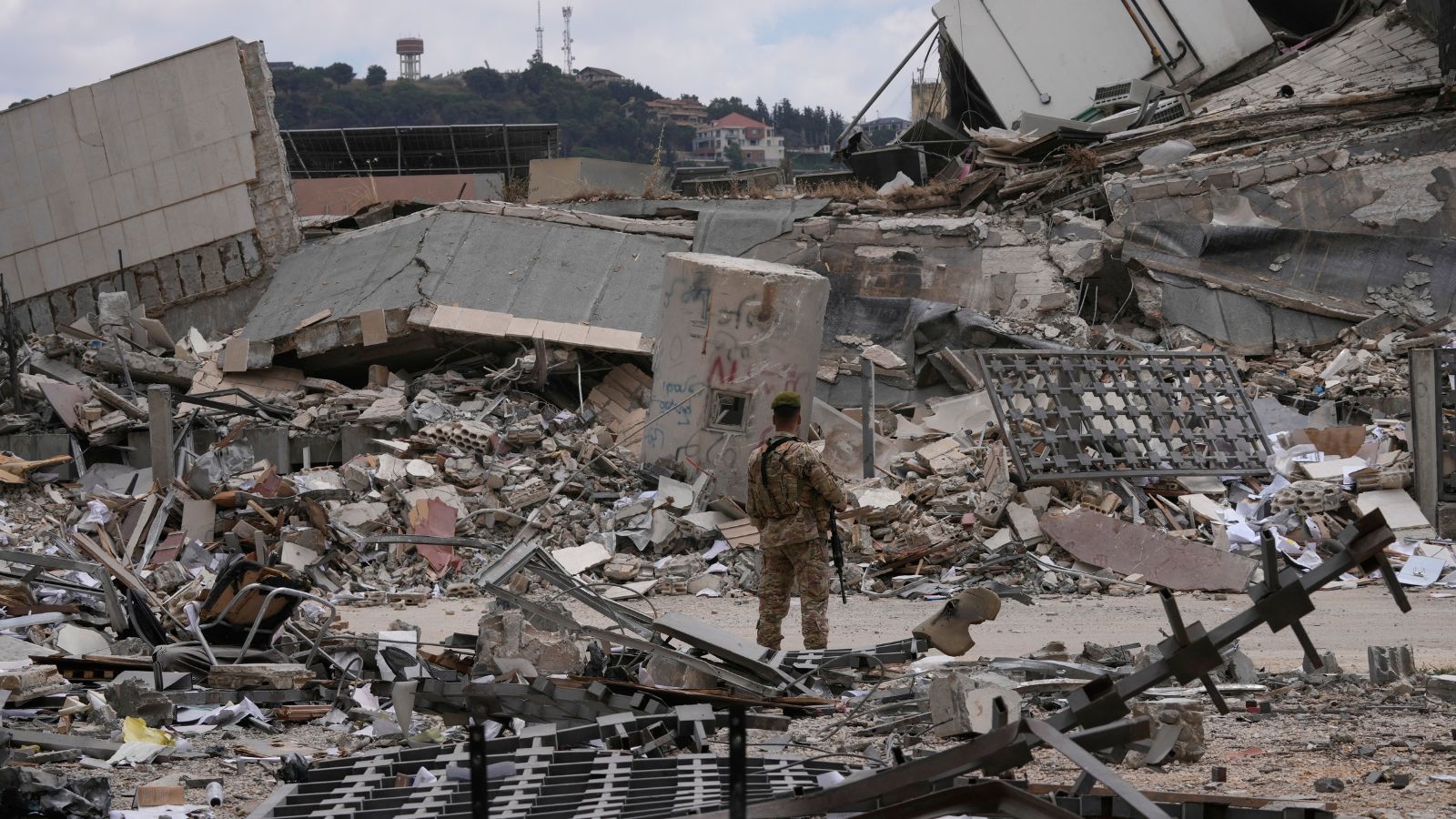
When Washington and Israel launched military operations on February 28 without consulting Brussels or European allies, they expected the traditional post-9/11 playbook to apply automatically. Instead, major European powers quietly blocked the Pentagon from utilizing local runways, logistics hubs, and intelligence-gathering assets for offensive sorties.
This resistance infuriated Defense Secretary Pete Hegseth. Last week in Brussels, Hegseth explicitly reprimanded European ministers and announced a comprehensive six-month Pentagon review of all American forces stationed in Europe.
The message from Washington is clear. If American forces cannot use their European installations to project power into neighboring regions, the Pentagon will move those troops and assets elsewhere.
"A mutual defense pact is a two-way street," a senior American defense official noted privately ahead of today's Oval Office meeting. "If our European allies expect us to hold the line on their eastern borders but refuse to open their runways when we face a crisis in the Middle East, the entire premise of the alliance collapses."
The Five Percent Illusion
To distract from this strategic breakdown, Rutte is attempting to steer the conversation back toward defense spending. He frequently praises the White House for forcing member states to boost their military budgets, pointing out that European capitals are finally on a path toward the aggressive 5% of GDP spending target demanded last year for completion by 2035.
| NATO Defense Spending Metrics | Historic Average (Pre-2024) | Current Target (By 2035) |
|---|---|---|
| Target Percentage of GDP | 2.0% | 5.0% |
| Allies Meeting Target | Less than half | Currently unachievable for most |
This focus on spending targets misses the point. Even if Germany, France, and Italy reached the 5% threshold tomorrow, they cannot build a fully independent defense apparatus or a matching industrial supply chain in a few months. Europe remains entirely reliant on the American nuclear umbrella, strategic airlift capabilities, and satellite reconnaissance networks.
The administration understands this asymmetric dependence. They are leveraging it to demand total obedience on broader global security priorities, including shipping lane security through the closed Strait of Hormuz.
Structural Decay Beyond Personality
Believing that a charm offensive can fix this dynamic ignores decades of shifting American priorities. The strategic focus in Washington has been moving away from Europe for a long time, driven by structural pressures that outlast any single administration.
The focus on the Indo-Pacific region and the immediate drain of the Middle Eastern conflict mean that the U.S. military is stretched thin. European leaders who rely entirely on Rutte's text messages to maintain the American security guarantee are gambling their national security on a highly fragile foundation.
If the Pentagon's ongoing six-month review recommends a substantial drawdown of troops from Germany or Italy, the alliance will be effectively hollowed out from within, regardless of what commitments are made during next month's high-stakes summit in Turkey.
Rutte is heading into the Oval Office armed with praises, television interview clips, and a willingness to offer public concessions. But the deep policy divisions regarding sovereign control and unilateral military actions will remain entirely unchanged when he leaves the building.