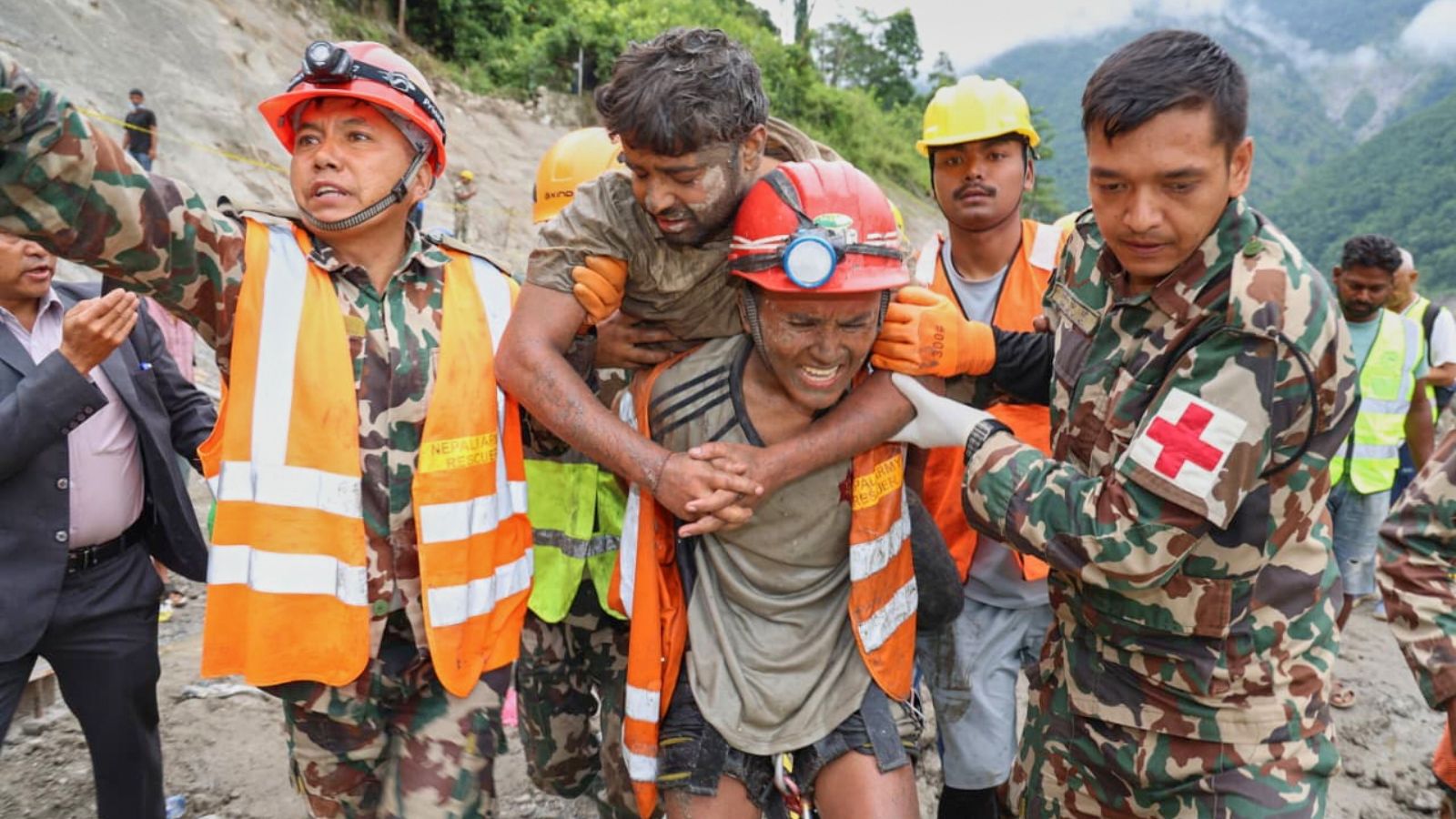
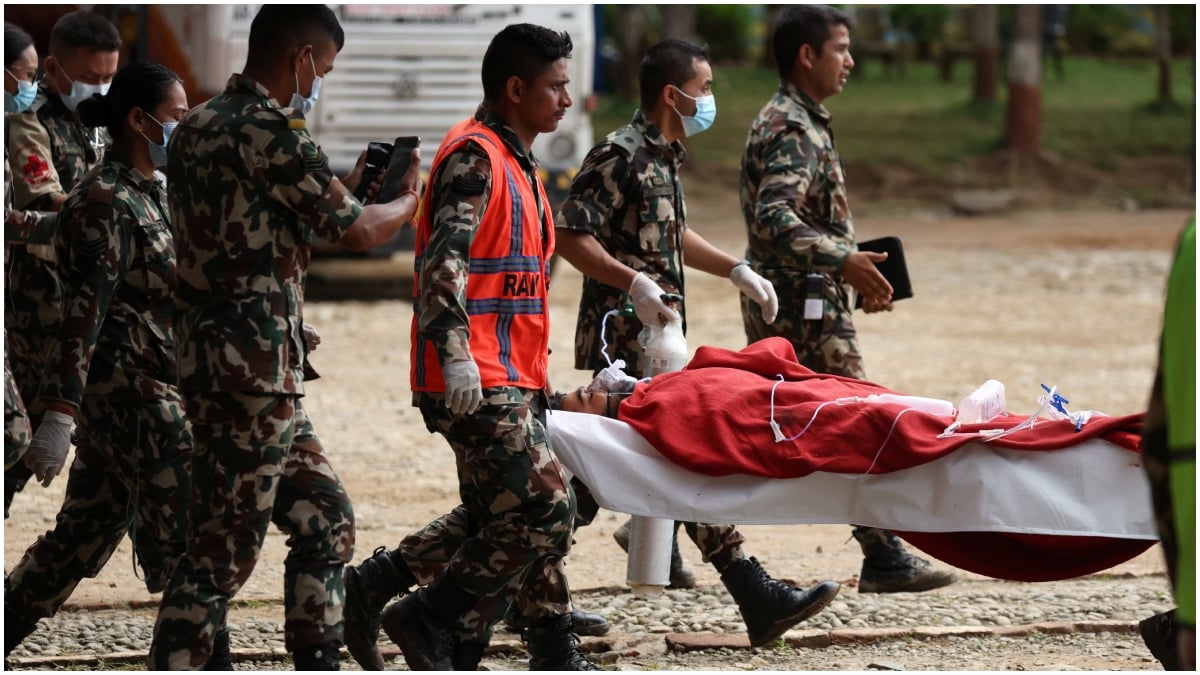
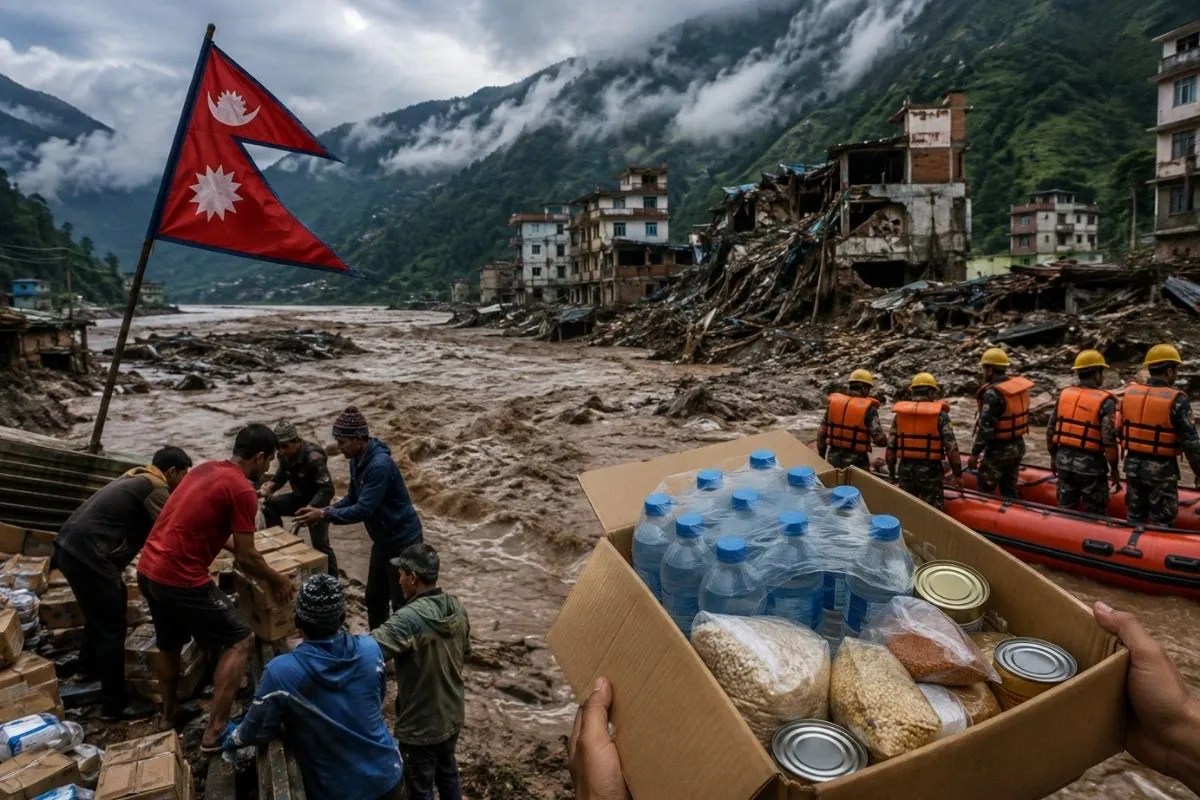
The death toll following last week's catastrophic flash floods in Nepal has climbed past one thousand souls, leaving valleys choked in mud and national infrastructure shattered. Amid the wreckage, a high-stakes diplomatic firestorm erupted over climate accountability. Foreign Minister Shisir Khanal initially framed post-disaster recovery not as charitable aid, but as a moral and legal liability for major industrial emitters like India, China, and the United States. Within days, Kathmandu walked back specific bilateral claims, clarifying that no formal compensation demand had been levied against its immediate neighbors.
This sudden pivot exposes the profound friction between developing mountain states suffering acute ecological devastation and the rigid architecture of international climate law.
The Anatomy of a Himalayan Disaster
Heavy monsoon torrents and rapid glacial destabilization triggered the disaster, sweeping away homes, bridges, and hydropower installations. For decades, climate scientists have warned that the Hindu Kush Himalayan region is warming at a rate well above the global average. Glaciers act as frozen water towers for over two billion people across South Asia. When those towers destabilize under global atmospheric heating, the resulting mountain tsunamis do not respect international borders.
Nepal emits a fraction of global greenhouse gases, hovering well below one percent of total planetary output. Yet the nation occupies ground zero for the physical impacts of industrialization carried out thousands of miles away or by immediate heavy-emitting neighbors. When Foreign Minister Khanal used local media appearances to argue that vulnerable countries are paying the ultimate price for a crisis they did not create, he tapped into a deep well of local anguish.
The rhetoric quickly crossed from standard diplomatic appeals into contested territory. Naming top emitters such as China, the United States, and India as bearers of historical responsibility signaled an aggressive push for a new paradigm of climate justice.
The Diplomatic Retreat and Regional Realities
Bilateral diplomacy moves fast when survival is on the line. India was among the first nations to mobilize emergency relief, dispatching multiple aircraft laden with medical supplies, heavy-duty dewatering pumps, and specialized rescue teams. Prime Minister Balen Shah publicly expressed gratitude to neighboring capitals for their rapid humanitarian response.
The juxtaposition between the foreign minister's hardline stance on historical liability and the prime minister's expression of gratitude highlights an internal government scramble. By the end of the week, Khanal issued explicit clarifications to regional news agencies. He emphasized that the ministry had never issued a formal compensation bill to New Delhi, Beijing, or Washington. Instead, the intended message targeted the broader global community to reevaluate how recurring ecological catastrophes are financed.
This retreat underscores a harsh geopolitical truth. Developing nations heavily reliant on regional supply lines, open borders, and immediate humanitarian assistance cannot easily sustain adversarial legal demands against powerful neighbors.
The Structural Failure of Loss and Damage
The friction in Kathmandu mirrors a broader global paralysis regarding climate reparations. International climate summits have spent years establishing a Loss and Damage fund, yet the mechanisms for actually extracting liability from wealthy or high-emitting states remain toothless. Voluntary contributions replace binding legal obligations. When a catastrophe kills over a thousand people in a week, abstract global funds offering slow-disbursing grants feel entirely inadequate to local populations.
Countries like India argue that per-capita emissions and immediate developmental necessities must factor into any conversation about historical responsibility. New Delhi maintains that Western nations industrialised first and continue to occupy the vast majority of the global carbon budget. Plumping Nepal into the middle of this crossfire creates complex diplomatic crosscurrents.
Small mountain nations face a grim calculus. They can soften their language to secure immediate tents, medicine, and rescue personnel from regional powers, or they can push aggressive legal demands that risk alienating the very partners they depend on for physical survival.
The floodwaters in the valleys are beginning to recede, exposing the scale of the reconstruction task ahead. The deeper structural questions about who pays to rebuild a shattered mountain civilization remain entirely unresolved.