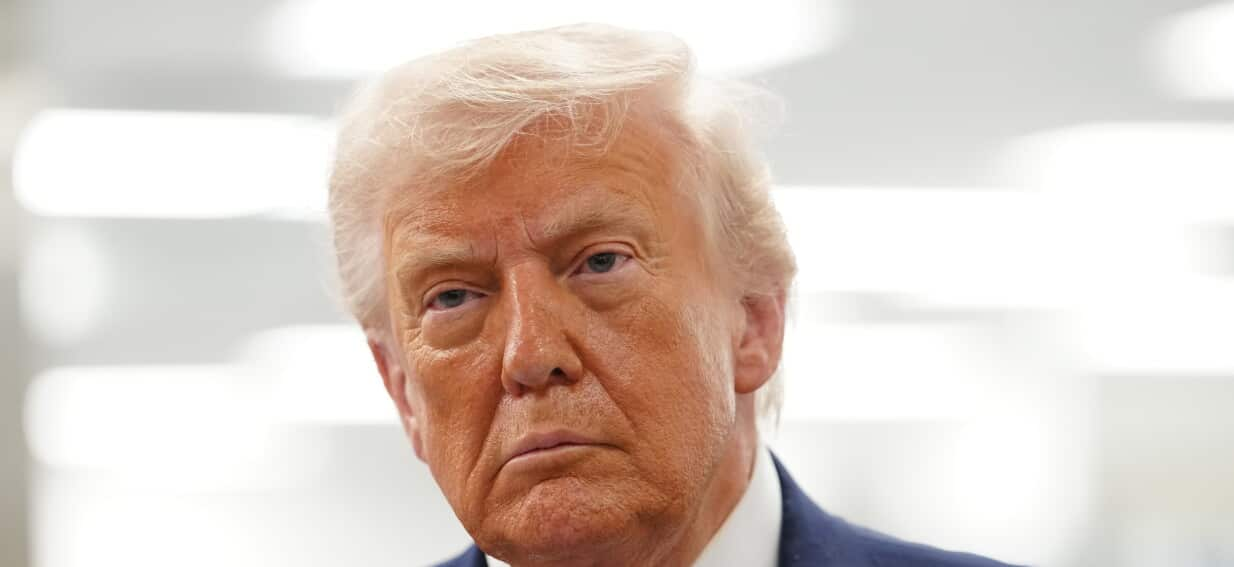
When President Donald Trump declared at an October campaign rally that officials who leak details of American strikes on Iran to the media "should be shot dead," he was reacting to more than a routine breach of operational security. Leaks regarding strike timing and target planning during the 2026 US-Iran conflict have collided directly with battlefield deception, pre-election political calculations, and deep internal friction over escalation.
A live blog headline from The Indian Express captured the shock value of the remark. Yet a rolling wire digest rarely stops to examine why operational leaks occur repeatedly during a prolonged conflict or what happens to military surprise once strike windows become public.
Why Leaks Fracture Military Surprise
Operational security fails for structural reasons, not just disloyalty. Modern strike planning spans the White House, the Pentagon, intelligence agencies, regional commands, and allied capitals, multiplying the number of people who see sensitive timelines before aircraft launch.
Every leak alters the tactical equation. Air defenses reposition, mobile launchers disperse, and diplomatic channels scramble before a single munition leaves the rail. Even when a reported strike is delayed or disputed, the mere suggestion of imminent action forces adversaries to adjust posture and forces commanders to weigh whether surprise has already been burned.
There is also a counter-argument that security hawks often overlook. Not every disclosure comes from a rogue leaker trying to sabotage a mission. Some leaks reflect bureaucratic infighting between officials who favor immediate strikes and those pushing for restraint or negotiated off-ramps. Others stem from deliberate information warfare, where ambiguity itself is used to keep an opponent off balance.
Consider a hypothetical example to see how signal and noise blur in real time. Suppose a defense aide tells a reporter that a strike package is staged for Sunday, while a senior diplomat tells another outlet that talks are still alive. If the strike is postponed, critics blame the leak; if it happens on schedule, observers assume the warning was a bluff. Either way, public reporting reshapes how both sides read intent.
Politics Meets the War Room
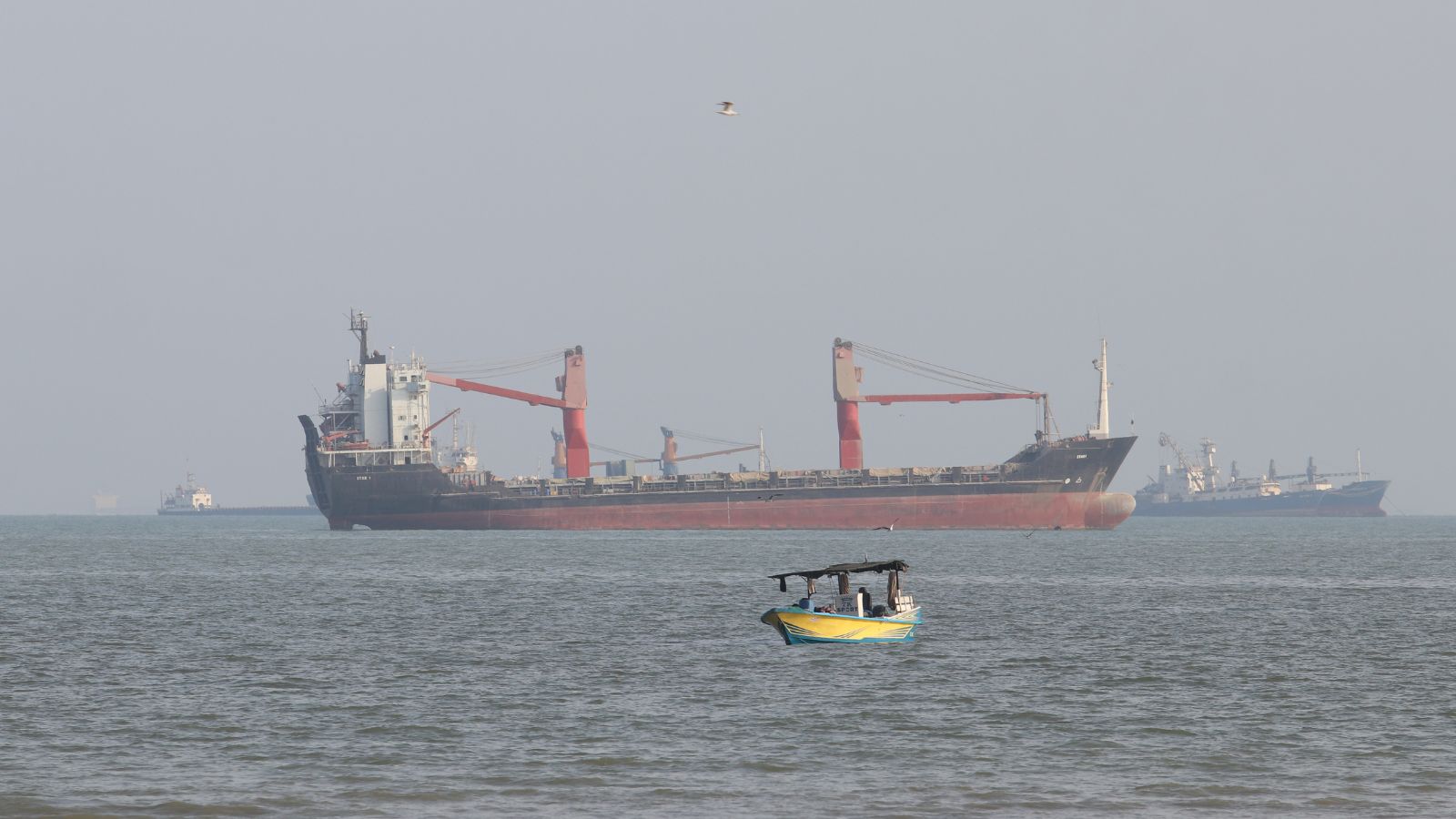
The timing of Trump's rhetoric underscored how tightly domestic politics and regional warfare have been bound together. Ahead of the November 3 midterm elections, the administration faced intense scrutiny over the economic fallout of the conflict, shipping disruptions near the Strait of Hormuz, and the risk of a wider regional war.
Publicly, Trump set a clear political marker by stating he would not launch an attack on Iran before the midterms, even as he warned of renewed military action or a negotiated deal. Allies and adversaries alike watched every mixed signal. Reports pointed to pressure from Israeli Prime Minister Benjamin Netanyahu for fresh strikes, alongside warnings from regional officials and US leaders about the dangers of an open-ended commitment.
In that environment, an unauthorized leak hits like a political landmine. It can undercut a carefully staged message of restraint, hand ammunition to domestic opponents, or force the White House into reactive denials when it wants to control the clock.
- Diplomatic leverage: Premature strike reporting can harden negotiating positions just as backchannel mediators try to keep talks open.
- Allied alignment: Disagreements over timing between Washington and regional partners become harder to manage behind closed doors once exposed in press reports.
- Escalation risk: Retaliatory threats against regional infrastructure, shipping, and personnel rise sharply whenever new offensive waves appear imminent.
Rhetorical Escalation and Institutional Limits
Threatening capital punishment for leakers makes for a viral rally line. Turning that rhetoric into lawful enforcement is a far harder problem.
Existing statutes already criminalize the unauthorized disclosure of classified national defense information, and investigations into leaks routinely involve polygraphs, metadata reviews, and prosecution referrals. Yet tracing a leak inside a sprawling government apparatus is notoriously difficult, especially when information passes through multiple intermediaries before reaching a newsroom.
Harsh rhetoric carries a second risk for the executive branch. When leaders frame every security breach as treasonous sabotage, they can create a chilling effect that discourages candid internal dissent on risk, readiness, and legality. Sound strategy requires commanders and analysts to voice hard truths without fearing that disagreement will be treated as disloyalty.
At the same time, reporters and editors face their own accountability test. Publishing exact strike windows without independent verification can endanger lives and distort public understanding, whereas withholding legitimate reporting on policy chaos or miscalculation leaves the public in the dark.
What Observers Should Watch Next
Anyone tracking the conflict should look past fiery speeches and watch concrete operational indicators. Force posture shifts, air-defense movements, maritime security advisories, and diplomatic travel in the Gulf tell a far clearer story than rally rhetoric alone.
Pay close attention to how official denials are worded when a strike report surfaces. Careful phrasing about "no authorized plans" or "options under review" often signals real internal debate rather than complete calm.
In a war driven by deterrence, miscalculation, and information pressure, controlling words matters almost as much as controlling airspace.