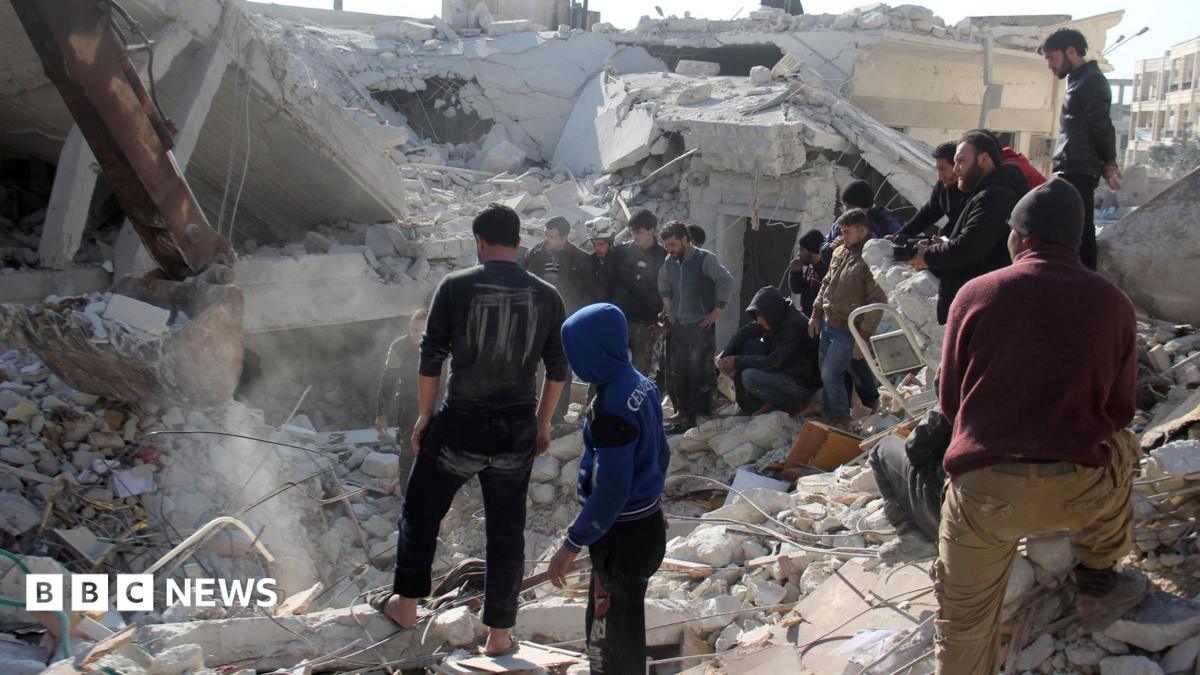
The security illusion governing Southeast Asian education was shattered when a ninth-grade student walked onto the Ateneo de Zamboanga University high school campus in the southern Philippines, strapped with a body camera, and live-streamed an attack that left two dead, including the gunman.
This catastrophe marks the second fatal school shooting in the country in less than two months, following a bloody rampage in Tacloban City that rattled authorities who previously believed strict national firearm laws served as an impenetrable shield.
For decades, analysts pointed to the Philippines as an anomaly in the region regarding mass gun violence inside educational institutions. Unlike the United States, the nation maintains rigorous legal hurdles for gun ownership, mandating comprehensive background checks and psychological evaluations. Yet, these statutory safeguards failed to account for a chilling modern evolution: the convergence of domestic illicit arms proliferation with the digital contagion of performative, streamed violence.
The Anatomy of a Digital Atrocity
The assailant, identified by officials as a 14-year-old ninth grader, carried two pistols onto the secured campus, targeted a teacher, fatally shot a tenth-grade student on the fourth floor, and then ascended to the upper level to commit suicide. Crucially, the entire sequence was partially broadcast via Facebook Live, utilizing a wearable camera to mimic the visual mechanics of first-person shooter video games.
This utilization of social media broadcasting transforms localized tragedies into global, gamified spectacles. Investigators are now forced to untangle a grim web stretching from physical corridors straight into virtual chat rooms and gaming networks. Following the Tacloban incident in June, Philippine cybercrime authorities targeted specific online gaming ecosystems, attempting to isolate platforms suspected of normalizing radical adolescent aggression.
Yet, restricting applications addresses only the symptom while leaving the root contagion untouched. The emulation of foreign mass casualty rituals points to a profound psychological shift among isolated youth who view digital notoriety as an ultimate currency.
The Structural Failure of Institutional Safeguards
Private and public institutions alike have long relied on perimeter security—fences, gates, and institutional prestige—to maintain safety. Ateneo de Zamboanga is an esteemed Catholic university, its high school wing separated from the broader collegiate grounds. Parents dropped their children off into what they assumed was a bastion of safety, only to witness panic unfold within minutes.
Physical walls cannot deter an internal threat born from radicalization and acute psychological distress. When children cross the threshold carrying illegal firearms, the failure traces back to invisible societal fractures: systemic underinvestment in adolescent mental health infrastructure, the total absence of functional threat-assessment protocols in regional schools, and an unregulated digital wild west where vulnerable youths find community in violence.
Government officials responded with familiar pledges to tighten security protocols and police advisories urging the public to halt the spread of unverified footage. These reactions, while necessary for immediate crisis management, remain reactive bandages on a hemorrhage.
As Southeast Asia faces a tightening cluster of school attacks—including a high-profile massacre in neighboring Thailand just weeks prior—the region can no longer dismiss these events as isolated aberrations. The myth of geographic and cultural immunity is dead, leaving authorities scrambling to secure classrooms that were never built to withstand the digital age.