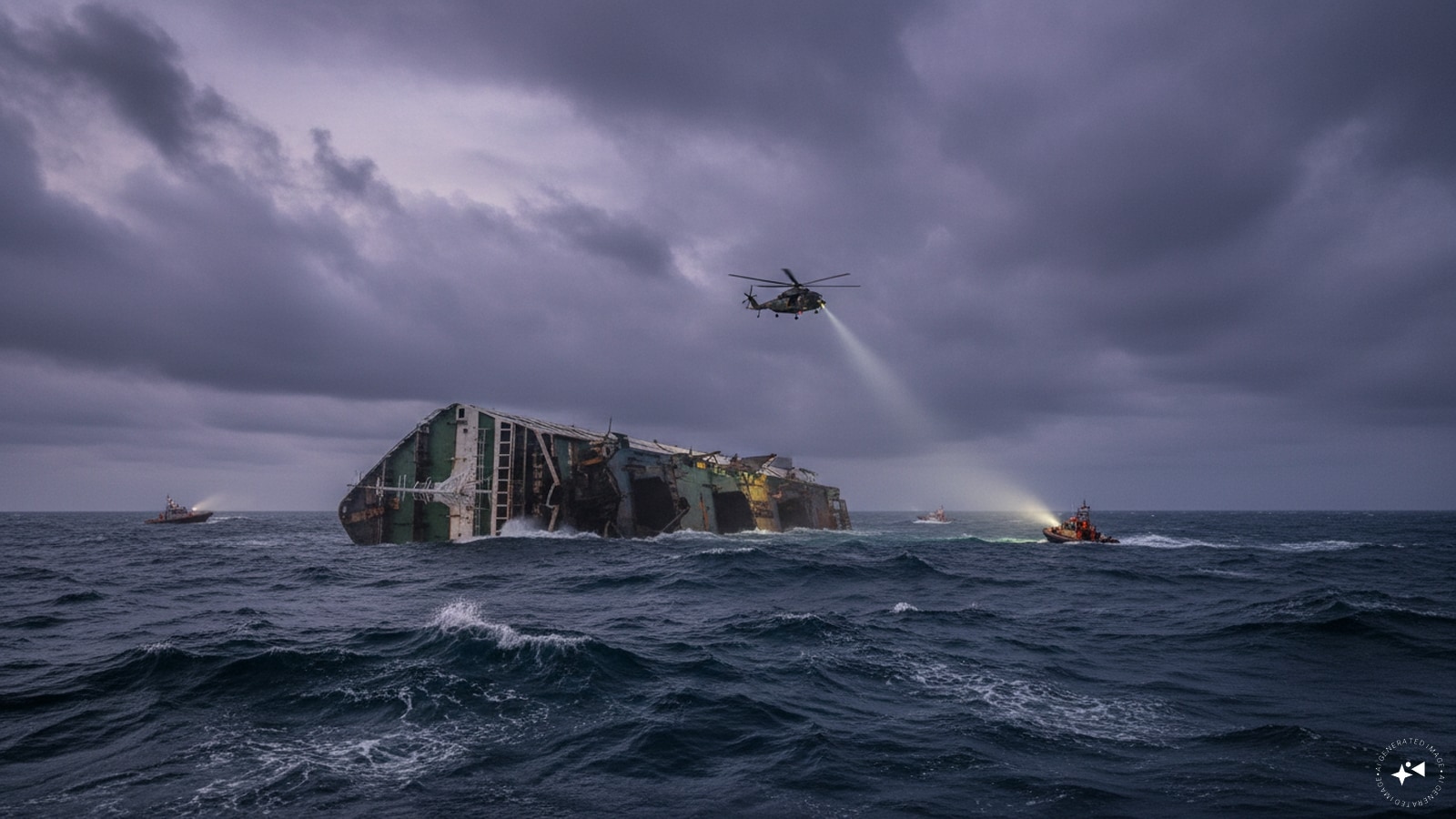
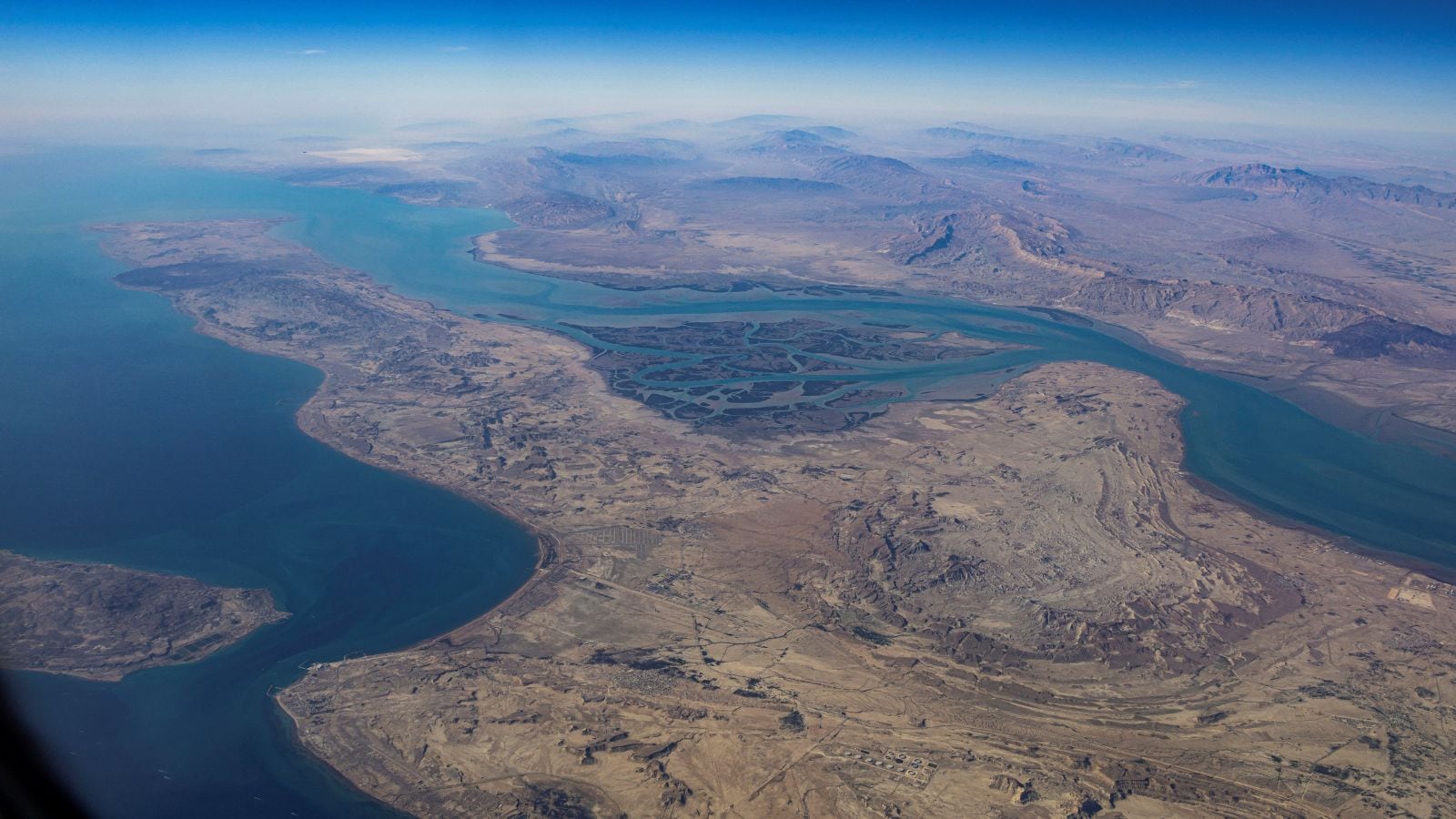
The collapse of high-stakes diplomatic channels between Tehran and Gulf Cooperation Council states in Oman exposed a fragile regional architecture built on quicksand. When Muscat announced the indefinite postponement of ministerial talks, global markets reacted instantly, driving crude past one hundred and eight dollars a barrel as commercial transits through the Strait of Hormuz dropped into single digits. Beneath the frantic media focus on spiking energy costs lies a deeper institutional paralysis. The stalled negotiations are not merely a casualty of cross-border skirmishes; they are the logical result of an unmanageable security vacuum where regional capitals no longer trust external security umbrellas or each other.
For decades, the standard diplomatic playbook for Persian Gulf crises relied on quiet backchannels mediated by Oman or Qatar. These tracks allowed littoral states to compartmentalize political animosities while keeping oil moving past the Musandam Peninsula. That mechanism has officially broken down. The immediate trigger for the cancellation involved a complex collision of crises: an aerial strike on Saudi Arabia's vital East-West pipeline, an escalating Houthi offensive along the Red Sea corridor, and a fundamental disagreement over whether preliminary talks could address maritime safety without capitulating to broader geopolitical demands.
Look closer at the mechanics of the breakdown, and a starker reality emerges. Riyadh moved to freeze the Omani-hosted dialogue not out of sudden diplomatic petulance, but because the draft framework presented by Tehran and Muscat threatened to institutionalize a new maritime reality. According to regional intelligence sources, the proposed arrangement sought to establish transit fees and regulatory frameworks for vessels navigating the strait. For Saudi Arabia and its neighbors, accepting those terms under duress would mean recognizing Iran's de facto veto over international trade arteries. By forcing a postponement, Riyadh signaled that bypassing Hormuz via alternative pipelines was preferable to legitimizing an Iranian chokehold at the negotiating table—even if those bypass routes remain exceptionally vulnerable.
The vulnerability of those workarounds became painfully clear when the East-West pipeline was forced offline following a drone strike. Industry assessments indicate that storage inventories at the Red Sea terminal of Yanbu provide a razor-thin buffer of just five to seven days before export capacities take a catastrophic hit. When four percent of global oil supply hangs on the integrity of a single pipeline corridor, routine maintenance issues morph into systemic existential threats. Riyadh turned to Washington for direct military intervention against escalating Houthi provocations, only to receive restricted intelligence-sharing support rather than boots on the ground or carrier strike group escorts.
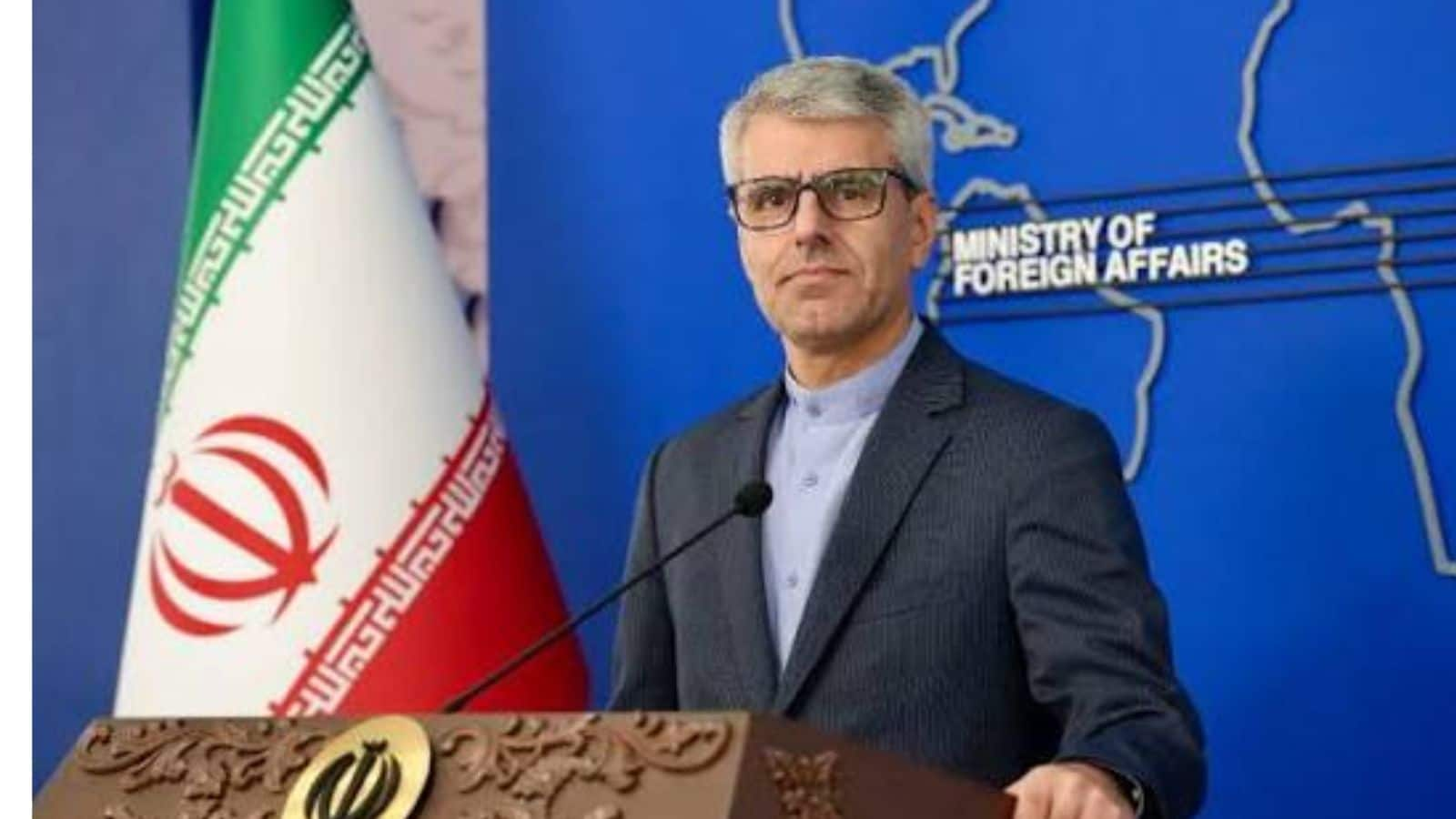
This American reticence forces a radical realignment in calculation across the Gulf. Capital cities from Riyadh to Abu Dhabi realize they can no longer outsource their maritime security to a distracted White House fixated on domestic political cycles and midterm optics. Yet, direct bilateral appeasement of Tehran carries domestic and regional political costs that the ruling dynasties are ill-equipped to absorb. Iran's foreign ministry maintains that any maritime normalization is contingent upon Washington lifting punishing economic sanctions and abandoning its core regional objectives, creating a circular deadlock where local actors are asked to solve a superpower-sized impasse.
The economic fallout is already cascading through global supply chains with brutal precision. Retail diesel prices in Western markets have surged to historic highs, while manufacturing hubs in Asia face mounting pressure from energy input costs that threaten to choke post-pandemic industrial recovery. Central banks, already wrestling with sticky inflation metrics, find themselves cornered by energy shocks that monetary policy tools cannot touch. Raising interest rates will not patch a severed pipeline or clear a mined shipping lane.
As commercial traffic through the Musandam bottleneck continues to languish, the illusion of managed deterrence has evaporated. The region is locked in a high-stakes standoff where neither side possesses the internal stability to absorb a prolonged blockade, yet neither can afford the domestic humiliation of backing down first. Diplomacy has not merely faltered; it has been crowded out by a dangerous momentum that treats economic strangulation as a legitimate instrument of statecraft.
The path forward requires dismantling the fantasy that technical diplomatic fixes can succeed while foundational security architectures remain unresolved. Until regional powers establish a direct, unmediated dialogue concerning burden-sharing and territorial integrity—without waiting for external arbiters who have proven unreliable—the global economy will remain hostage to the next explosion in the desert.