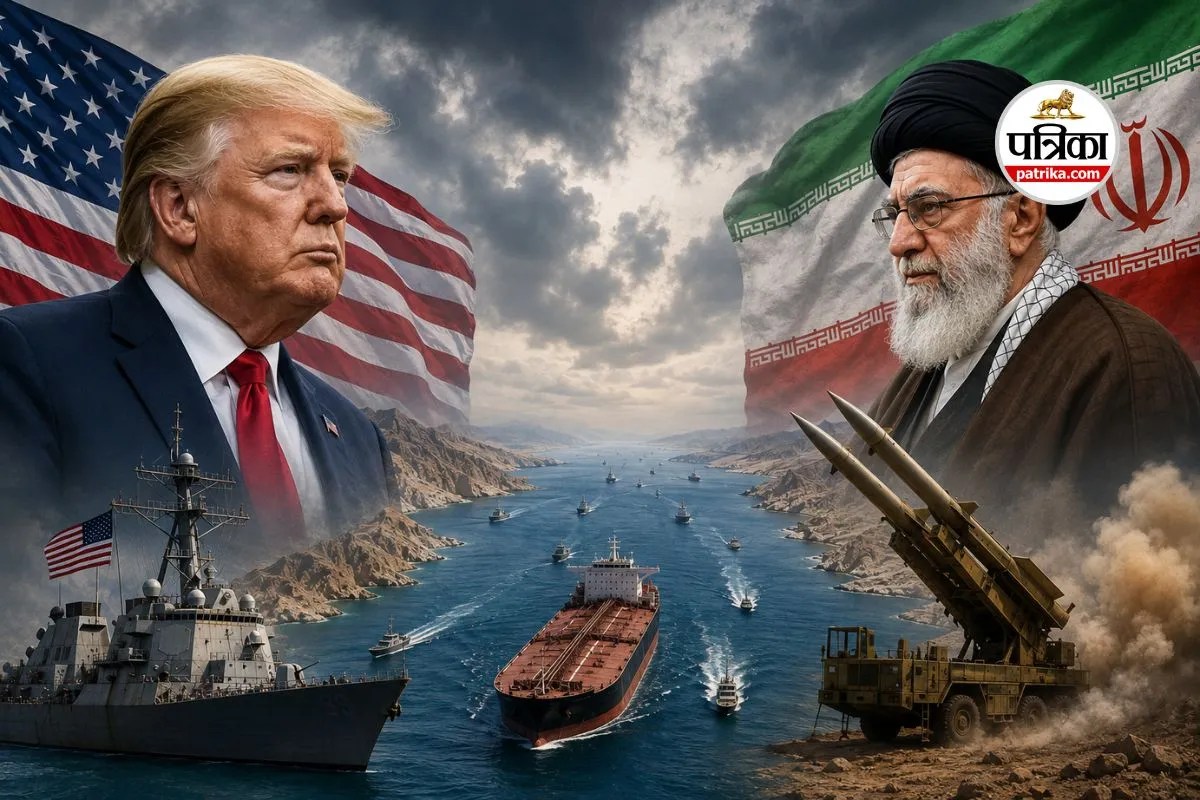
The Strait of Hormuz remains a high-stakes maritime choke point where the United States and Iran are locked in a severe standoff over global energy corridors. Commercial shipping through the narrow passage has faced persistent disruptions since the outbreak of hostilities in late February 2026. Washington insists that full, unrestricted navigation must be restored immediately. Tehran maintains that the crucial waterway stays firmly under its control until the White House accepts political and military defeat.
This bitter deadlock over twenty percent of the world's petroleum flow has paralyzed traditional diplomatic off-ramps. Crude prices continue to swing wildly as tanker attacks mount and rhetorical escalations reach new peaks.
The Anatomy of a Maritime Choke Point
Geography dictates the crisis. At its narrowest point, the shipping lanes span just twenty-one miles, with inbound and outbound traffic squeezed into two-mile-wide corridors flanked by Omani and Iranian territorial waters.
When the conflict erupted on February 28, 2026, the Islamic Revolutionary Guard Corps moved swiftly. They seeded the transit zones with naval mines, deployed coastal anti-ship batteries, and issued total bans on vessels linked to Western allies. Traffic volume plummeted overnight.
Insurance premiums skyrocketed. Shipowners abandoned the route.
The United States responded with a naval escort operation and a counter-blockade targeting Iranian ports. Yet, naval power alone cannot force open a body of water embedded with asymmetric threats.
Washington underestimated Tehran's willingness to absorb economic punishment in exchange for strategic leverage. The Iranian leadership views the closure not merely as a wartime tactic, but as a permanent equalizer against superior conventional air and naval forces.
Diplomatic Breakdown and the Illusion of Ceasefires
Diplomacy has sputtered through fragile, broken channels. An interim arrangement brokered earlier in the year quickly unraveled as both sides accused each other of bad faith.
Iranian officials argue that previous understandings marked an end to active combat phases rather than a permanent settlement. They point to ongoing Western economic sanctions and localized military pressures as direct violations of the spirit of those talks.
Meanwhile, White House strategists face an unforgiving domestic calendar. Midterm elections loom, and voter anxiety over fuel prices remains acute.
President Donald Trump recently asserted that the United States would soon declare the strategic passage American territory. Tehran fired back almost instantly through diplomatic channels and state media, characterizing the threat as empty bluster incapable of changing operational realities on the water.
Deputy Foreign Minister Kazem Gharibabadi publicly dismissed the rhetoric, stating that the passage cannot be seized by executive declarations or social media posts.
The Regional Spillover in Lebanon
The crisis at sea cannot be cleanly separated from violence on land. Simultaneous flare-ups in southern Lebanon underscore how easily regional fronts reignite.
Recent Israeli airstrikes targeting Hezbollah positions killed eleven people, including three children. It marked the deadliest single day of violence in the area since an earlier summer truce.
Israeli military officials defended the operation as a necessary retaliation against cross-border attacks, accusing local commanders of operating out of civilian infrastructure. Lebanese authorities condemned the raids as a blatant violation of sovereignty and international understandings.
These parallel theaters create a compounding dilemma. Every explosion in southern Lebanon hardens Tehran's resolve in the Gulf. Every tanker strike near Oman hardens Washington's resolve to tighten sanctions.
Economic Warfare and the Cost of Attrition
The longer the stalemate persists, the more structural damage accumulates across global supply chains. State-owned energy entities in the Persian Gulf report regular missile and drone strikes on commercial carriers.
Maritime tracking agencies document dozens of confirmed incidents involving damaged vessels and rising seafarer casualties. Crew fatigue and low morale on deployed naval assets further strain military resources.
Behind closed doors, economic advisors warn that prolonged closure of the corridor risks embedding permanent inflation into energy markets. Yet neither capital appears ready to blink first.
Iran demands complete compensation for wartime damages, the unconditional release of frozen foreign assets, and a permanent lifting of all naval restrictions before it relinquishes control of the strait. Washington views these terms as a non-starter, preferring to test the limits of financial coercion through fresh economic penalties.
As negotiations stall and ships continue to navigate a gauntlet of projectiles, the narrow waters of the Persian Gulf remain a loaded gun pointed directly at the global economy


