The confirmation path for acting Attorney General Todd Blanche has hit a severe roadblock on Capitol Hill as key Republican senators demand explicit, written guarantees regarding a controversial IRS settlement tied to President Donald Trump.
A scheduled Senate Judiciary Committee vote to advance Blanche to the full Senate hangs in the balance. The immediate sticking point centers on the Department of Justice settling a high-profile multi-billion-dollar lawsuit filed by Trump against the Internal Revenue Service. That settlement shielded the president and members of his family from specific past tax audits while briefly establishing plans for a massive anti-weaponization fund.
While the administration has publicly walked back the financial compensation vehicle following intense bipartisan pushback, moderate and outgoing Republican senators remain deeply skeptical. They want binding, formal language confirming the total abandonment of the fund alongside rigid limitations on tax immunity protections before giving Blanche their votes.
The Power Struggle on the Judiciary Committee
The math in Washington is unforgiving. In a narrowly divided Senate, a single defection on the committee or the floor can derail a cabinet nomination entirely.
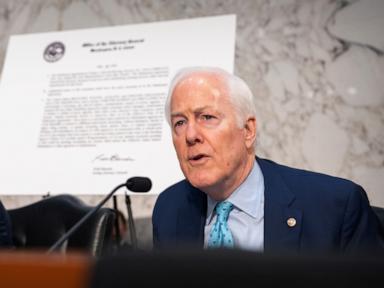
Senator John Cornyn of Texas, a crucial swing vote who lost his primary earlier in the electoral cycle, canceled a planned session with Blanche. Cornyn articulated a frustration shared by several colleagues who find themselves unbound by party pressures following primary defeats or upcoming retirements.
"They know what they need to do but they simply refuse to do it."
The friction illustrates a broader institutional tension within the legislative branch. Senators are asserting their oversight prerogative over executive branch agreements that skirt traditional appropriations or tax enforcement protocols. The core dispute is not merely about procedural delay. It is about establishing a hard ceiling on how far executive settlements can go in shielding sitting officials or their families from independent administrative oversight.
Anatomy of the IRS Settlement Controversy
The underlying legal arrangement that sparked the confirmation showdown involves multiple moving parts that alarmed watchdogs from both political parties.
- The Tax Immunity Provision: The DOJ settlement explicitly barred the IRS from pursuing specific claims or audits regarding tax returns filed prior to the agreement taking effect.
- The Anti-Weaponization Fund: An initial blueprint outlined a nearly two-billion-dollar allocation intended to compensate individuals deemed wronged by past government actions, which critics quickly labeled an executive slush fund.
- The Written Guarantee Demand: Senators are refusing to rely on verbal assurances or testimony from committee hearings, demanding written legal stipulations that prevent the resurrection of similar funding mechanisms.
Blanche has defended his position by noting that the tax immunity clause applies strictly to past filings and leaves future tax years fully exposed to standard regulatory checks. Yet, this distinction has failed to satisfy legislators who view the entire settlement framework as an overreach of executive settlement authority.
The Broader Implications for the Justice Department
The standoff over Blanche exposes structural vulnerabilities at the pinnacle of federal law enforcement.
An acting attorney general holding office without permanent confirmation creates an ongoing vacuum of perceived independence. When the leadership of the Department of Justice is explicitly tied to resolving the personal litigation of the chief executive who appointed them, public trust in standard prosecutorial and administrative neutrality takes a hit.
Senators pushing back against the nomination are defending institutional boundaries that previous administrations largely respected. If executive agencies can settle private litigation by granting tax immunities or creating compensation pools outside congressional authorization, the separation of powers undergoes a fundamental shift.
The coming days will test whether the administration is willing to put concessions in writing to secure the votes needed to confirm Blanche, or if the nomination will stall indefinitely in the committee room.


