When Washington threatens to choke off refined product exports, European capitals listen. The decision by G7 nations to coordinate a release of 100 million barrels of diesel and crude oil following intense pressure from the Trump administration is not merely a technical adjustment of energy stockpiles. It is a stark demonstration of raw geopolitical leverage, exposing the structural fragilities underpinning the European energy market.
At the center of this standoff lies an unforgiving political calendar and a acute shortage of refined distillate. With U.S. midterm elections approaching and domestic pump prices threatening political stability, the White House targeted a vulnerable link. Treasury Secretary Scott Bessent and trade representatives made it clear that Washington expected European allies to speed up delivery commitments and make additional supplies immediately available, or face potential restrictions on American diesel exports. For countries like the United Kingdom, which relies heavily on imports to bridge the gap between domestic refining capacity and consumer demand, the threat carried immediate weight.
To understand why this ultimatum struck such a nerve, one must examine the baseline vulnerability of the continent. Europe has spent years pivoting away from Russian pipeline gas and petroleum products, leaving its refining margins thin and its strategic inventories exposed to global supply shocks. When French President Emmanuel Macron convened G7 leaders following overnight talks, the proposal on the table was straightforward: a synchronized release coordinated through the International Energy Agency, splitting the 100-million-barrel drawdown evenly between refined diesel and crude.
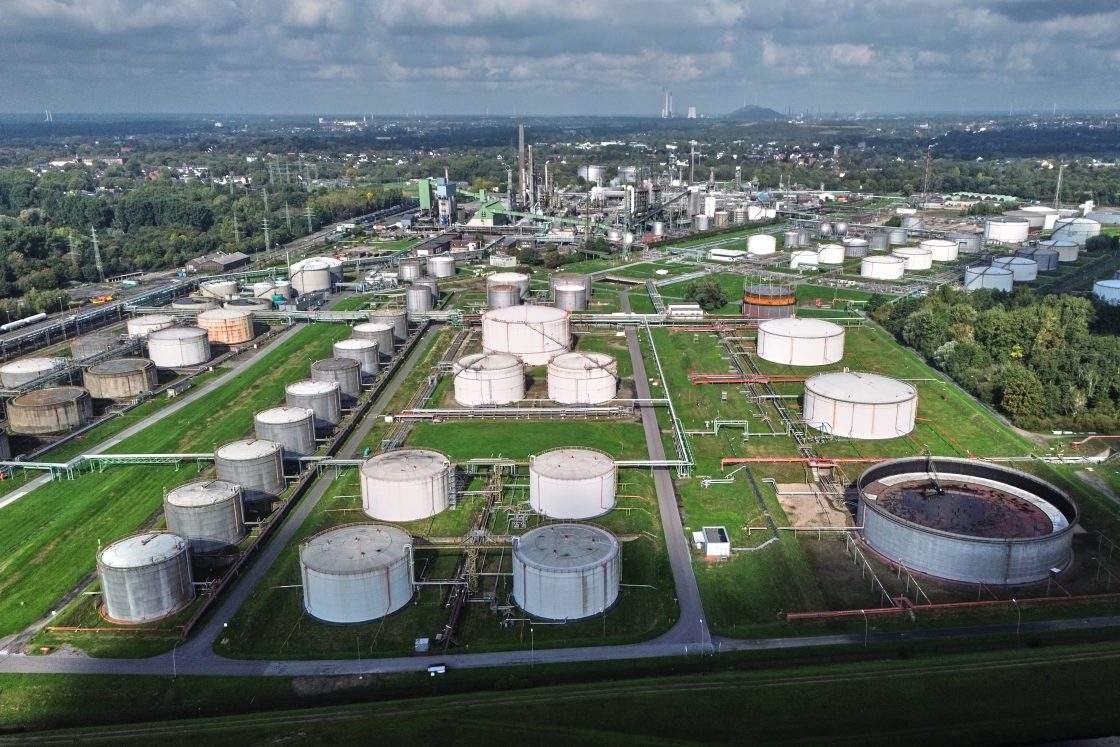
Yet, unity in Brussels and Berlin was far from automatic. Germany and Spain initially pushed back against rapid deployment, pointing out the inherent risks of depleting strategic cushions designed for absolute emergencies. Berlin's economic ministry insisted on careful joint assessments, fully aware that Germany and France jointly hold over a third of the European Union's strategic diesel reserves. Relinquishing those barrels means burning through the insurance policy built to protect industrial output, agricultural transport, and home heating systems against sudden geopolitical black swans.
The friction also highlights a deeper economic divergence across the eurozone. While governments scramble to comply with American demands to cool global commodity prices, domestic inflation figures across the currency bloc have outpaced expectations. High fuel costs continue to feed through into broader consumer price indexes, keeping pressure on central bankers to maintain tight monetary policy. In Rome, Prime Minister Giorgia Meloni formally requested fiscal flexibility from the European Commission, arguing that strict spending rules must be relaxed so national governments can subsidize households battered by energy inflation.
This dynamic lays bare an uncomfortable reality for European policymakers. Security alliances do not shield economies from commercial realities. When domestic political imperatives in Washington collide with Europe's energy deficits, the burden of stabilization is frequently shifted across the Atlantic. Releasing millions of barrels of emergency stocks provides a temporary psychological salve to futures markets, temporarily driving down benchmark crude prices. However, it does nothing to solve the underlying refining capacity bottlenecks or replace the lost barrels from sanctioned or conflict-ridden supply zones.
As the four-month drawdown gets underway, the longer-term calculus remains unresolved. Governments have traded a portion of their ultimate safety net for short-term political appeasement. Whether that sacrifice permanently alters transatlantic energy diplomacy or merely sets the stage for the next supply crunch depends entirely on how quickly domestic production and alternative import channels can permanently rebalance the market.
For more details on this developing economic situation, you can watch this analysis on USA Turns To EU For Diesel Reserves Amid Rising Fuel Prices. This video provides additional context on why the Trump administration urged the European Union to release its emergency fuel reserves.