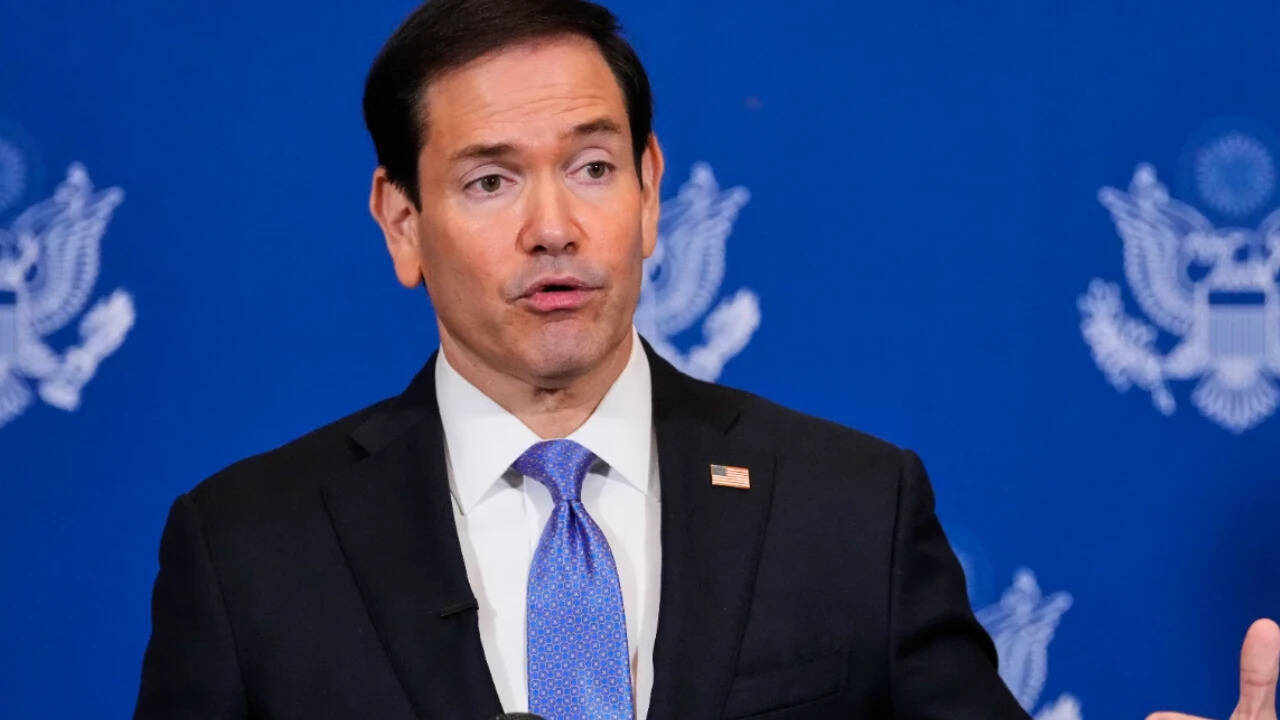
Foreign policy rarely shifts on rhetoric alone, but when Washington turns up the heat, the ripples change everything. US Secretary of State Marco Rubio recently laid down a stark ultimatum for Havana, urging Cuban leadership to pick a completely different direction before the window shuts for good. It is a high-stakes standoff built on years of deepening economic turmoil, widespread blackouts, and an increasingly aggressive sanctions strategy from the White House.
If you have been watching US-Latin American relations, you know that rhetoric about regime change is nothing new. Yet, the current approach carries a different weight. Let us break down what is actually happening behind the headlines, why Washington is tightening the screws right now, and what it means for a country already pushed to its absolute limits. Read more on a related topic: this related article.
The Reality Behind the Rhetoric
Cuba has been trapped in a punishing economic and energy spiral. Chronic blackouts, severe food shortages, and runaway inflation have battered the island's 10 million residents. Hundreds of thousands have fled, creating a massive migration crisis that directly impacts US domestic policy.
When Rubio warns that the current path leads straight toward worse consequences, he is pointing directly at these compounding crises. The official line from Washington is that Cuba's leadership is running a broken system fueled by corruption rather than a functioning government. More reporting by BBC News explores similar perspectives on the subject.
The strategy isn't subtle. The State Department has steadily closed off economic escape valves, targeting shipping vessels, financial networks, and key entities to cut off hard currency. Washington wants Havana to realize that playing the waiting game will not work. The old strategy of outlasting a single US presidential term is running out of road.
Why Waiting Out Washington Is No Longer a Viable Play
Historically, Cuban officials figured they could just weather American pressure until a new administration took over. That math doesn't work anymore. Rubio's messaging emphasizes that the costs of inaction are compounding daily.
Consider the geopolitical chessboard. Cuba’s longstanding ties with external powers like China and Russia have long frustrated American policymakers. Washington views these foreign intelligence and economic alignments as a direct security challenge right on its doorstep. By squeezing the island's economic lifelines, the US administration aims to force a choice: structural, fundamental reforms or total economic collapse.
Havana, for its part, routinely dismisses these moves as external interference designed to spark civil unrest. Cuban officials argue that the real driver of their hardship is the decades-long US embargo, which stifles trade and blocks access to international credit. Two entirely different narratives, and neither side is blinking.
The Danger of Escalation
When two stubborn forces collide, the margin for error shrinks. While diplomatic channels technically remain open, actual negotiations are practically non-existent. Rhetoric about naval positioning and military readiness adds a dangerous layer of volatility to an already volatile region.
We have seen this movie before. The historical ghost of the Cold War hangs over every escalation in the Florida Straits. Even if direct military conflict remains an unlikely worst-case scenario, economic strangulation creates humanitarian pressures that rarely stay contained within national borders.
The immediate question isn't whether Cuba's current model is sustainable—it clearly isn't. The real question is how much pressure a society can absorb before something snaps completely. Rubio's warning leaves little room for ambiguity. The clock is ticking, and the costs of standing still are getting heavier by the day.