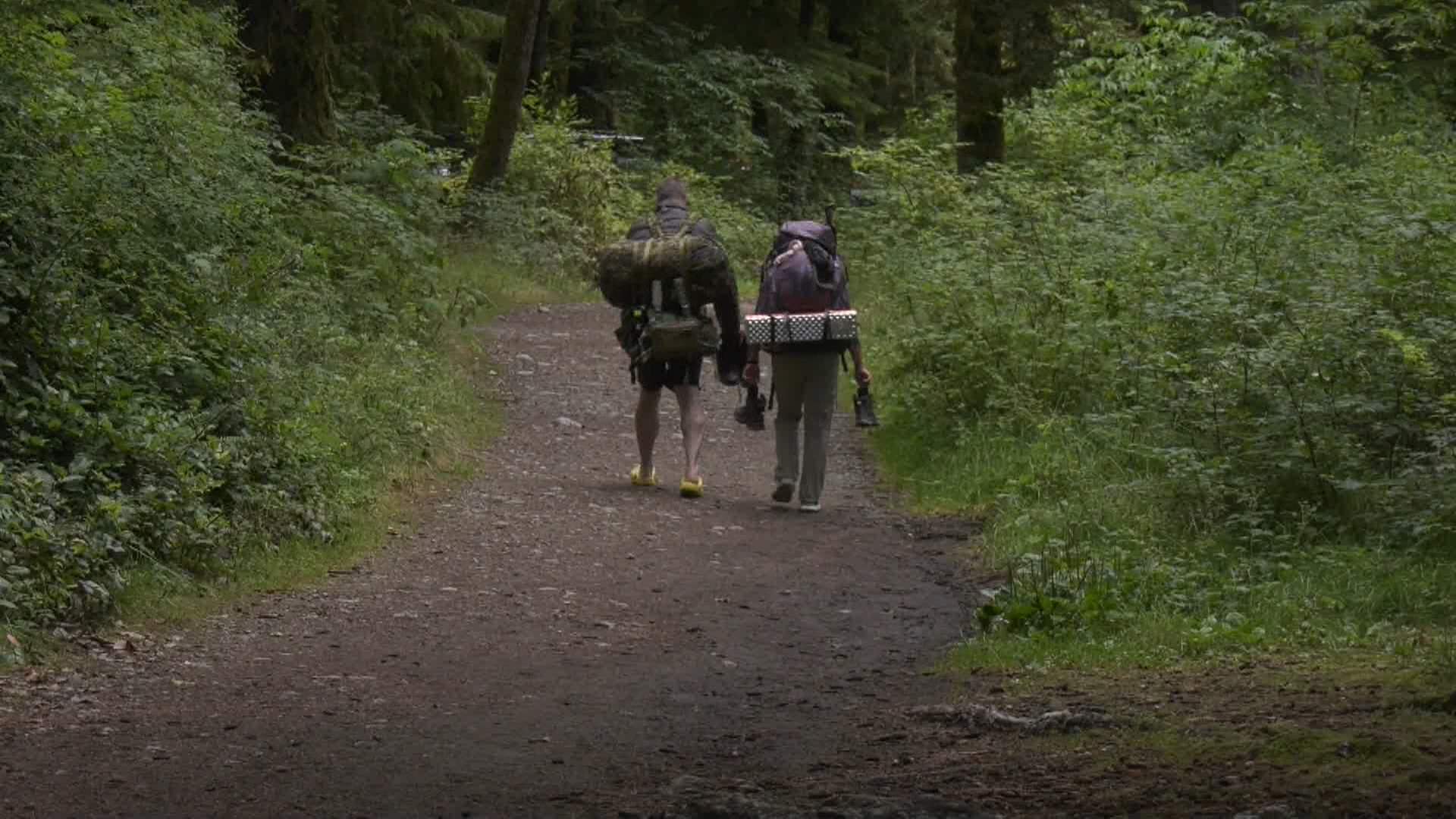
Parks Canada recently ordered emergency evacuations along parts of the iconic West Coast Trail on Vancouver Island, declaring sections entirely impassable due to severe weather and rapid trail degradation. For hikers caught mid-trek, this meant stranded groups, emergency helicopter responses, and shattered itineraries. Behind this single weather event lies a much larger failure of infrastructure management, surging visitor demand, and an ecological model buckling under relentless foot traffic.
We have romanticized the West Coast Trail into a bucket-list rite of passage. We have ignored the physical reality of a coastal rainforest that refuses to remain static. When multi-day hikers find themselves airlifted out of Vancouver Island mud, the shock is entirely manufactured. The trail has always been a rugged, punishing stretch of Indigenous history, old-growth forest, and shifting ladder systems. What changed is not the rain. What changed is the sheer volume of humanity pushed through a fragile coastal corridor every single season.
The Anatomy of Trail Failure
Rainfall on the southern coast of Vancouver Island is not a meteorological anomaly. It is the baseline. Yet, management agencies frequently treat sudden atmospheric rivers and seasonal downpours as unexpected crises rather than predictable operational parameters.
Consider the infrastructure. The West Coast Trail relies heavily on hundreds of wooden ladders, cable car crossings, and boardwalks installed decades ago. Wood rots in a rainforest. Metal rusts in salt spray. When thousands of boots pound these pathways year after year, structural fatigue accelerates exponentially.
Parks Canada caps reservations to manage capacity, but the cumulative wear and tear far outstrips maintenance windows. Maintenance crews operate under strict budgetary constraints, short weather windows, and hazardous terrain. Fixing a broken ladder across a surging ravine is not a weekend DIY project. It requires heavy logistics, skilled labor, and constant monitoring. When maintenance lags behind environmental attrition, trails transition from challenging to hazardous. Then come the emergency orders.
The Economics of Over-Tourism on Vancouver Island
Adventure tourism drives millions of dollars into the regional economy of British Columbia. Outfitters, ferry operators, local B&Bs, and gear manufacturers depend on the seasonal influx of hikers holding coveted reservation permits.
This creates a perverse economic incentive. Reducing permit caps to protect the trail ecosystem means cutting revenue streams for local communities and government coffers. As a result, capacity limits hover right at the edge of ecological carrying capacity.
"When every single slot is sold months in advance, there is zero operational buffer for maintenance crews to close sections for major repairs without triggering a massive public relations and economic backlash."
Hikers pay substantial reservation and user fees, operating under the assumption that these funds directly guarantee a maintained, safe corridor. When a bridge washes out or a mudslide takes out a hillside, the gap between consumer expectation and operational reality turns hostile.
The Illusion of Safety in the Backcountry
Modern outdoor recreation suffers from a dangerous paradox. High-tech gear, satellite messengers, and accessible reservation systems make remote wilderness look like an extension of the front-country.
People book a flight to Victoria, pack an ultralight tent, and expect a curated backcountry theme park. They forget that the wilderness does not care about reservation fees.
When a section of the West Coast Trail becomes impassable, it exposes the limits of modern rescue infrastructure. Search and rescue teams on Vancouver Island are world-class, but they are chronically stretched. Relying on emergency evacuations as a routine contingency plan for standard seasonal storms is an unsustainable model. It puts first responders at unnecessary risk and strains public resources.
Shifting Geographies and Climate Realities
Weather patterns across the Pacific Northwest are intensifying. Atmospheric rivers dump historic volumes of water in compressed timeframes, turning dry creek beds into raging torrents and destabilizing coastal slopes.
The traditional operating calendar for the West Coast Trail—typically running from May through September—no longer aligns with stable weather windows. Shoulder seasons are wetter, wilder, and more unpredictable.
Agencies are forced into reactive posture. They monitor rainfall gauges, wait for a washout, issue an emergency closure, and evacuate stranded parties. Proactive closure models are rare because closing a world-famous trail mid-season triggers administrative chaos.
What Actually Needs to Change
Fixing the West Coast Trail crisis requires hard choices that no one in tourism marketing wants to make.
- Dynamic Capacity Reductions: Permit caps must scale downward automatically during forecasted high-risk precipitation cycles.
- Decoupled Maintenance Funding: A dedicated, non-discretionary percentage of user fees must be legally locked into immediate infrastructure renewal rather than general park administration.
- Radical Expectation Management: Marketing campaigns must stop selling the trail as a scenic coastal stroll and aggressively emphasize its status as a high-risk alpine-style expedition in a temperate rainforest.
Until the management paradigm shifts from maximizing throughput to prioritizing ecological resilience, emergency evacuations will remain a seasonal fixture of the West Coast Trail. The mud will keep sliding. The ladders will keep rotting. And hikers will keep learning the hard way that nature refuses to be managed by reservation calendars.