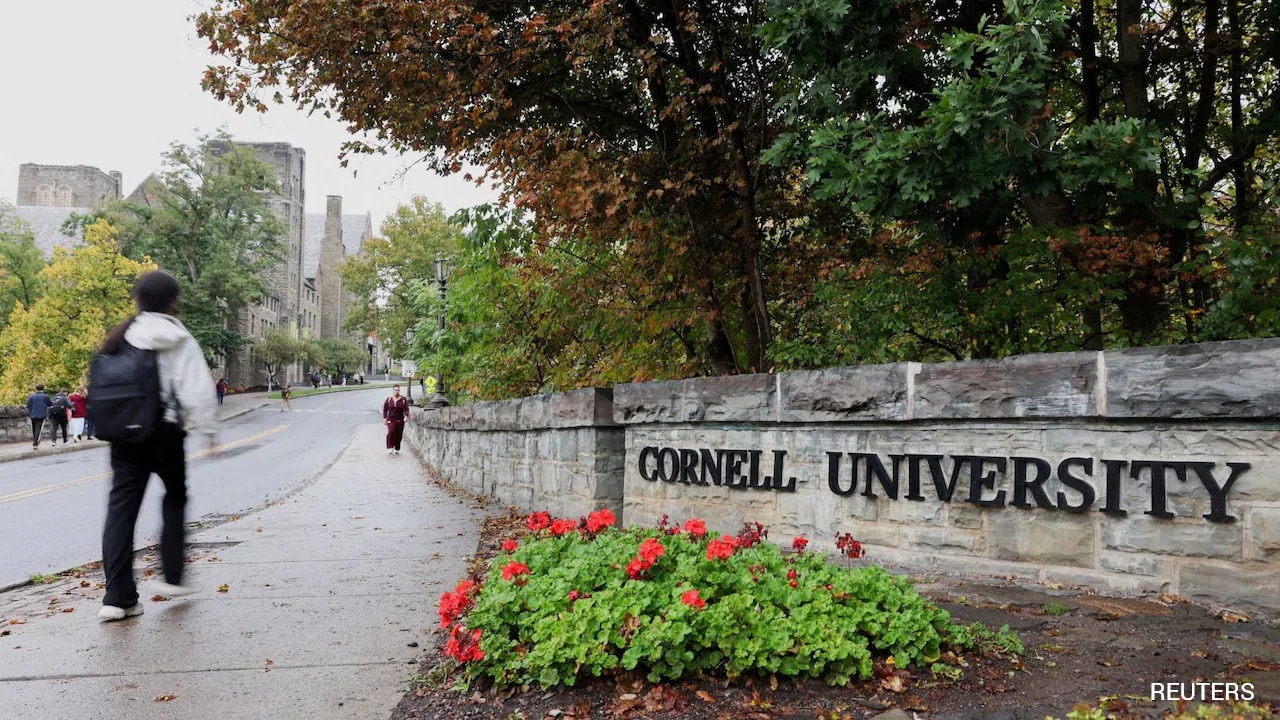
When a university president steps to a podium and invokes the language of raw, visceral pain, the machinery of public relations usually hums quietly in the background. In the wake of a reported gang rape involving students, Cornell University leadership faced a crucible that has consumed higher education administration for decades. The phrase "my heart aches," uttered by the university's leadership, was meant to signal shared humanity. Yet, seasoned reporters and institutional analysts recognize this rhetorical pivot immediately. It is the opening gambit in a high-stakes crisis management playbook designed to absorb public fury while tightly controlling the flow of institutional liability.
For the investigative press, the story was never merely about the emotional tenor of a presidential statement. The real narrative centers on the mechanics of campus safety accountability, the friction between Title IX mandates and local law enforcement, and the structural pressures that incentivize universities to handle violent crime internally rather than transparently. When an alleged sexual assault occurs within the orbit of elite Greek life or campus housing, the immediate instinct of the institution is risk mitigation. Transparency is rarely an organic impulse. It is extracted through relentless pressure from student activists, investigative reporting, and the looming threat of federal sanctions.
Understanding how Cornell navigated this specific flashpoint requires examining the structural architecture of modern university disciplinary systems. For years, higher education institutions have operated as quasi-judicial entities. When federal legislation tied campus funding to strict compliance with anti-discrimination and sexual violence policies, universities rushed to build bureaucratic apparatuses to adjudicate criminal acts. These campus tribunals often lack the subpoena power, evidentiary standards, and constitutional protections of the criminal justice system. Consequently, when a catastrophic event like an alleged gang rape breaches the campus bubble, administrators find themselves trapped between two competing imperatives. They must project moral authority to an outraged student body while safeguarding the institution's endowment, reputation, and legal standing.
The tension between institutional self-preservation and public disclosure manifests in predictable ways. Communications are carefully curated. Details are withheld under the guise of protecting student privacy or respecting ongoing investigations—even as local police departments release public blotters. This selective opacity breeds profound distrust. When students march across the Ithaca campus demanding structural overhauls, they are responding not just to a single horrific incident, but to a pattern of institutional obfuscation that treats student safety as a public relations problem to be managed.
To dissect this dynamic, one must look closely at the role of Greek organizations and residential social spaces within Ivy League universities. These enclaves often operate with a high degree of autonomy, shielded by alumni networks and institutional inertia. When allegations of predatory behavior emerge from these spaces, the response is frequently reactive rather than preventative. Administrators issue generalized warnings about consent and bystander intervention, treating systemic cultural failures as isolated behavioral lapses. This approach allows the university to sidestep deeper investigations into the fraternity houses, athletic departments, and social clubs where high-risk environments are routinely cultivated.
The demand for transparency, therefore, cannot be satisfied by heartfelt press releases or temporary task forces. True institutional transparency requires unsealing disciplinary records, independent audits of how previous complaints were handled, and an honest reckoning with the conflicts of interest inherent in a university investigating itself. When a campus judicial board operates behind closed doors, accountability becomes an illusion. Survivors are left navigating a opaque labyrinth of administrative hurdles while alleged perpetrators remain on campus, attending classes alongside the very people who fear them.
Consider the historical precedent set by peer institutions over the last decade. Every major university facing similar scandals has deployed the same vocabulary of grief and commitment to change. Independent reports are commissioned. Recommendations are delivered with great fanfare. Yet, fundamental structural reforms rarely materialize because they would require dismantling the very systems of prestige and donor influence that sustain the university's financial model. The administrative bloat dedicated to compliance often functions to insulate leadership from liability rather than to protect students from harm.
As the dust settles on the immediate public outcry at Cornell, the systemic vulnerabilities remain entirely intact. The investigative challenge for journalists covering higher education is to maintain pressure long after the national media cycle moves on. We must track whether promised policy shifts actually translate into independent oversight, whether local law enforcement is given unhindered jurisdiction over violent felonies on campus, and whether student advocacy groups maintain a seat at the table when disciplinary codes are rewritten.
The human cost of institutional failure is devastating. Behind every sanitized press release and administrative delay are individuals whose lives have been upended, forced to fight not only for justice within the legal system but for basic validation from the institution they trusted with their education. When leadership declares that their hearts ache, the only metric that matters is whether that pain translates into structural dismantling of the machinery that allowed the harm to occur in the first place. Until universities surrender their instinct for self-protection and submit to genuine, external accountability, these tragedies will repeat in a cyclical tragedy of administrative remorse.