Britain is barreling toward a structural energy vacuum that few in Westminster seem willing to address with the necessary urgency. While the public debate remains fixated on the visible, daily friction of utility bills, a more profound mechanical failure is gathering strength in the shadows. Official assessments now confirm a harsh reality: by the 2030s, the United Kingdom faces a genuine risk of gas supply shortfalls during periods of extreme winter cold. This is not a matter of market fluctuation or temporary geopolitical squalls. It is a fundamental mismatch between the physical reality of our waning domestic resource base and the glacial pace of our transition to alternative systems.
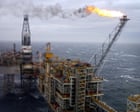
For decades, the North Sea acted as the bedrock of British energy independence. That foundation is crumbling. Domestic oil and gas production has been in a steady, managed retreat for twenty-five years, dropping at an average of five percent annually. We have relied on this offshore bounty for nearly half of our heating and power for the better part of a decade. As these reserves dry up, the vacuum is being filled by a volatile cocktail of international liquefied natural gas (LNG) imports and, crucially, a blind faith in the rapid deployment of clean power that has yet to hit its stride.
The logic of the current strategy is clear on paper. If the country electrifies its heating and shifts to renewable generation, the dependency on gas should logically vanish. But physical infrastructure does not move at the speed of government press releases. There are twenty-four million homes tethered to a gas grid that serves as the nation’s primary thermal battery. When the temperature plunges in February, heat pumps and wind turbines are not always sufficient to meet the massive, instantaneous surge in demand. Gas is the only fuel currently capable of providing the reliable, high-volume capacity required to keep the lights on and the boilers burning when the wind drops and the sun retreats.
We are currently witnessing a dangerous period of transition where the old system is being actively dismantled before its successor is fully functional. Critics often argue that any new investment in gas infrastructure is a betrayal of net-zero ambitions, yet this ignores the basic requirement of human safety. A grid that runs out of gas during a midwinter freeze is not a green grid; it is a failed one. The government is now staring at the necessity of "unprecedented" intervention—potentially subsidizing the maintenance of pipelines and storage facilities that might otherwise become economically unviable as the country slowly moves away from fossil fuels.
Consider the risks of a "high stress scenario." If the UK’s largest gas infrastructure asset were to suffer an unexpected outage during a period of sustained, sub-zero weather, the current supply chain would likely snap. We are not just talking about higher prices. We are talking about the potential for physical supply shortages that could force industrial rationing or localized outages. This is the "N-1" test in engineering terms—the ability of a system to survive the loss of its single most important component. By the 2030s, our current trajectory suggests we might fail that test.
The reliance on imported LNG is a hollow substitute for domestic security. While tankers provide a flexible stopgap, they tie the British economy to the same global markets that saw price volatility destroy family budgets during the previous energy crisis. Every ship redirected to Asia or diverted by a maritime choke point is a reminder that in a world of rising geopolitical friction, imported energy is a strategic liability, not a convenience.
Fixing this requires more than just political slogans. It demands a hard-nosed, unsentimental assessment of what must be kept running while the new infrastructure catches up. This might mean extending the life of key North Sea assets or, more controversially, providing public financial guarantees to ensure that the companies maintaining our gas storage and transmission networks do not simply walk away from unprofitable, aging hardware. It is a messy, expensive, and politically uncomfortable reality.
There is a pervasive temptation to believe that the energy transition is a linear path, a smooth progression from brown to green. It is not. It is a high-wire act. We are currently mid-stride, and the safety net of domestic gas is being pulled out from under us with nothing yet in place to catch the inevitable drop in supply. If the government continues to treat security of supply as a secondary concern to environmental targets, the winter of 2030 may provide a brutal lesson in the difference between ambition and basic arithmetic.
Energy security is ultimately about the stability of the physical world. It is about whether the furnace turns on when the dial is turned. If the current trajectory of supply depletion continues without a commensurate leap in storage and flexible, dispatchable power, the coming decade will be defined not by the success of our climate goals, but by the fragility of our daily lives. The time for vague promises of security has passed; the time for decisive, often expensive, infrastructure commitment has arrived.
The cliff is visible. Ignoring it will not change the physics of the fall.
Britain's gas supply risks explained
This video provides a succinct overview of the political and systemic challenges the UK government faces regarding future gas supply and the potential risks of winter shortages.


