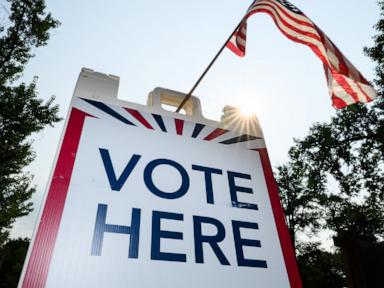
The machinery of American governance does not stop for headlines. While national pundits fixate on the noise of executive branch polling, the true structural realignment of the country happens in the quiet, often overlooked, primary elections. Today, voters in Alaska, Florida, and Wyoming are participating in a selection process that will define the ballot for the November general election. These contests serve as the primary filter for the legislative and executive bodies that dictate state-level policy and federal congressional representation.
To understand the weight of these moments, one must look past the party labels. A primary is not merely a party contest; it is a vetting mechanism where the ideological temperament of the future officeholder is set. When incumbents face challenges, as we have seen with increased frequency this cycle—where Republican incumbents are currently losing at a higher rate than their historical averages—the electorate is signaling a fundamental shift in the appetite for traditional party machinery.
The Mechanism of Exclusion
The most significant barrier to informed participation is not necessarily ballot access, but the sheer complexity of local administrative requirements. Every state operates under a unique framework of deadlines for registration, party affiliation changes, and mail-in ballot requests. When these deadlines vary—not just by state, but by county and district—the administrative friction effectively disenfranchises the intermittent voter.
If you are looking to verify your specific situation, the most reliable path is through official government portals. Avoid relying on third-party aggregators for logistical deadlines. Instead, seek out your State Election Division or local board of elections. These sites provide the only authoritative data on polling hours, ballot drop-box locations, and registration status updates.
Why Incumbents Fall
The recent data suggesting an elevated loss rate for incumbents is not a coincidence. It is the byproduct of a hardened political environment where local issues are being cannibalized by broader, nationalized narratives. In states like Alaska or Wyoming, the interplay between local constituent needs and national party platforms has become increasingly difficult for sitting legislators to balance.
Consider the hypothetical case of a district where the party platform prioritizes energy sector deregulation, but the local electorate is prioritizing infrastructure stabilization. The candidate who fails to adapt to this localized tension—or who stays too tethered to national party messaging—is vulnerable. The data shows that when the party base feels ignored, the primary becomes the most effective weapon for correction. This is not about policy disagreement alone; it is about perceived responsiveness.
The Myth of the General Election Focus
Most voters reserve their political energy for November. This is a strategic error. By the time the general election arrives, the choice has already been narrowed by a tiny fraction of the electorate—those who showed up for the primary. In many jurisdictions, the primary result is effectively the final result because the district is so heavily weighted toward one party. When you skip the primary, you are not saving your vote for a more important day; you are surrendering your say in the only contest that actually determines who will hold power.
Accessing Your Electoral Agency
Navigating the 2026 cycle requires a deliberate effort to bypass the noise. If you are unsure of your district or the candidates appearing on your ballot, utilize official District Lookup tools provided by government agencies. These portals are designed to provide localized, verified information that prevents the confusion often caused by misinformation campaigns or outdated partisan guides.
The health of the system depends on the granular engagement of the individual. When you access your official voter registration portal, you are not just performing a civic duty; you are engaging in the foundational audit of the electoral process itself. Verification is the antidote to the current volatility in our governance.
The trends we observe in 2026 are not fleeting. They are the result of a long-term shift in how citizens engage with their representatives. The candidates who emerge from these primaries will carry the specific mandates of their party bases, often disregarding the broader, more moderate electorate until the general cycle forces their hand. Recognizing this dynamic is the first step in moving from a passive observer of the political landscape to a participant in the machinery of change. Your engagement remains the final, and most critical, variable in the outcome.


