The stainless steel gleamed. In the quiet hours of the night at the Pickering, Ontario, facility, the machinery stood like silent monuments to modern health. This was where the revolution happened. For thousands of families, the cartons rolling off these lines represented a promise: a cleaner, kinder, and safer way to start the day. They poured the almond milk over cereal for children with allergies. They stirred the oat milk into morning coffees to lower their carbon footprints. It was the liquid gold of the plant-based movement.
But behind the sterile aesthetic of the Great Lakes Beverage plant, something was crawling.
It didn't arrive with a crash. It didn't smell. You couldn't see it under the harsh fluorescent lights. Listeria monocytogenes is a patient predator. While the marketing teams were selling a vision of purity, the internal reality—documented in grim detail by health inspectors—was a descent into a microscopic nightmare.
The Cracks in the Porcelain
Imagine a kitchen where the floor never quite dries. Beneath the heavy vats of soaking nuts and grain, the pooling water begins to stagnate. In this world, moisture is the enemy. Listeria thrives in the damp, dark corners where a scrub brush can’t reach. It finds a home in the "pitting" of old metal and the frayed edges of a rubber seal.
Health records now reveal that this wasn't a sudden fluke. It was a slow rot.
Inspectors found a "haven" for bacteria. They saw equipment that was difficult to clean, surfaces that were supposed to be food-grade but had become porous and inviting to pathogens. There were reports of condensation dripping from non-sanitized pipes directly into the open streams of product. Think about that for a second. A single drop of dirty water, falling from a ceiling pipe, carrying a payload of bacteria into a batch of milk that would eventually be chilled, packaged, and shipped to a grocery store near you.
The tragedy of the Silk and Great Value recall isn't just about a lapse in protocol. It is about the betrayal of the "health" halo. We trust these brands because they position themselves as the antithesis of "dirty" industrial farming. We pay a premium for that trust.
The Human Toll
To understand the weight of a foodborne illness, you have to look past the spreadsheets of "recalled units."
Consider a hypothetical woman named Elena. She’s seventy. She’s spent her life staying active, switching to plant-based milk three years ago on the advice of her doctor. She likes the taste. She feels good about her choice. One morning, she drinks a glass of chilled Silk almond milk.
Three weeks later—because Listeria has an incredibly long incubation period—Elena starts to feel like she has the flu. But it isn't the flu. The bacteria have crossed the barrier from her gut into her bloodstream. It begins to attack her nervous system. She becomes one of the twenty people hospitalized in this Canadian outbreak. She is one of the statistics that the news mentions in a fleeting thirty-second segment.
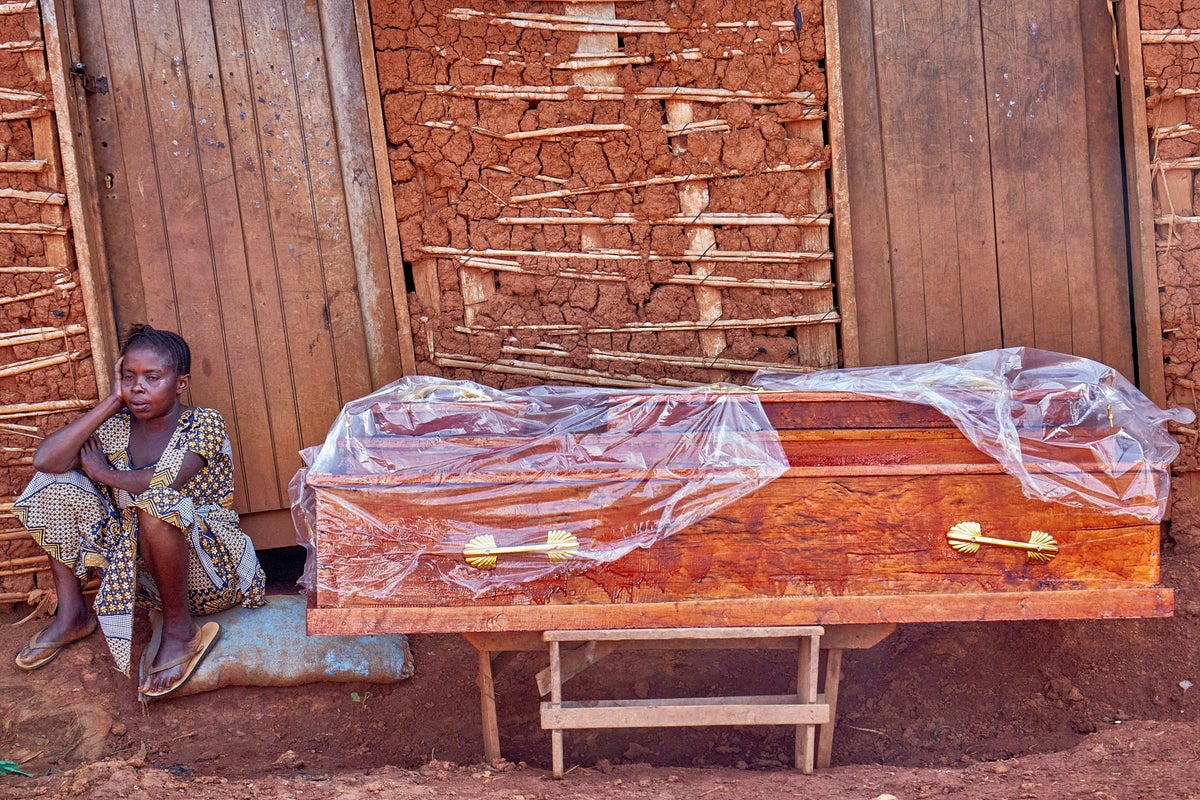
But for Elena’s family, it isn't a statistic. It’s a vigil by a hospital bed. It’s the terrifying realization that a simple glass of milk could lead to a death sentence. To date, three people have died from this specific outbreak. Three lives extinguished by a failure to maintain a drain or wipe down a pipe.
Death by listeria is a particularly cruel fate. It targets the vulnerable: the elderly, the immunocompromised, and the unborn. When a pregnant woman consumes contaminated food, the bacteria can seek out the fetus, leading to miscarriages or stillbirths. The stakes are not just "tummy troubles." They are existential.
The Myth of the Sterile Future
We have been sold a version of the food industry that is entirely decoupled from the messy reality of biology. We want to believe that because a product comes in a sleek, minimalist carton with a sprout on the side, it is somehow exempt from the laws of nature.
It isn't.
The Pickering facility was a high-volume hub. When you scale up production to meet the massive demand for plant-based alternatives, the margin for error shrinks to nothing. A small crack in a floor tile becomes a breeding ground. A shift worker who skips one sanitation step because they are exhausted by a twelve-hour shift becomes a vector.
The Canadian Food Inspection Agency (CFIA) didn't just find one or two issues. Their reports suggest a systemic failure. They noted that the facility's own testing had flagged the presence of Listeria-like bacteria months before the deadly outbreak, yet the response was insufficient. The warning lights were flashing red, but the assembly lines kept moving.
Why?
Because the momentum of commerce is hard to stop. Because "out of sight, out of mind" is a powerful sedative for corporate management. Until people start dying.
The Anatomy of a Failure
To visualize how a "haven" forms, you have to understand the "Biofilm."
Listeria doesn't just sit on a surface; it builds a fortress. The bacteria secrete a slimy, sugary substance that glues them to stainless steel. Once this biofilm is established, standard sanitizers often slide right over the top of it. It requires aggressive, physical scrubbing and specialized chemicals to break the shield.
At the Great Lakes Beverage plant, the biofilm won.
The inspectors' documents paint a picture of a facility that was struggling to keep up with its own growth. They found "uncleanable" equipment—machines designed in a way that made it impossible to reach the internal components where bacteria hide. This is a design flaw that becomes a lethal weapon. When you combine poor equipment design with a "persistent" strain of bacteria, you aren't just running a factory anymore. You’re running a laboratory for disaster.
The Quiet Aftermath
Now, the facility is shuttered. The lines are cold. The Silk and Great Value cartons have been yanked from the shelves, leaving empty gaps in the refrigerated aisles that look like missing teeth.
The company has issued the standard apologies. They have promised to do better. They have pointed to their "commitment to safety." But for the families of the three individuals who didn't survive their morning bowl of cereal, those words are hollow.
There is a profound irony here. The plant-based movement is rooted in the idea of "doing no harm." It is an industry built on ethics, yet this outbreak was fueled by the most basic, old-school negligence: a failure to clean. It turns out that whether you are processing beef or almonds, the fundamental requirement remains the same. You cannot outrun biology.
We often talk about food safety as a dry, bureaucratic necessity. We think of it as a set of rules for someone else to follow. But it is the thin line between a nourishing meal and a medical emergency. It is the invisible contract between the person who makes the food and the person who eats it.
When that contract is broken, the results are measured in more than just dollars or stock prices. They are measured in the silence of a house where someone is no longer there to pour the milk.
The Pickering facility was a haven, indeed. But not for the people it claimed to serve. It was a haven for the microscopic, the persistent, and the deadly. As we look to the future of what we eat, we have to ask ourselves if we are looking closely enough at the floors, the pipes, and the hidden corners where the "clean" revolution actually lives.
The next time you reach for a carton, you might find yourself looking at the seal a little longer. You might wonder about the water on the floor of a factory a thousand miles away. You might realize that in the world of global food production, nothing is ever truly "pure" unless someone is willing to get their hands dirty to keep it that way.
The lights in the Pickering plant are off now, but the lesson remains. Bacteria doesn't care about your brand identity. It doesn't care about your mission statement. It only cares about the crack in the floor.
And it is always, always looking for a home.