A microscopic cellular mass rests in a state of suspended animation, frozen at minus 196 degrees Celsius inside a stainless steel tank. For a clinic, this is inventory. For a geneticist, it is a sequence of base pairs waiting to be read.
But for a hopeful mother, that tiny, frozen cluster of cells represents everything. It is years of hormone injections, thousands of dollars in debt, countless tearful nights, and the fragile, fiercely guarded promise of a future child. When you are going through in-vitro fertilization, you do not just surrender your finances and your body; you surrender your trust. You have to believe that the system watching over your future family is infallible.
Then, a single human error shatters that illusion.
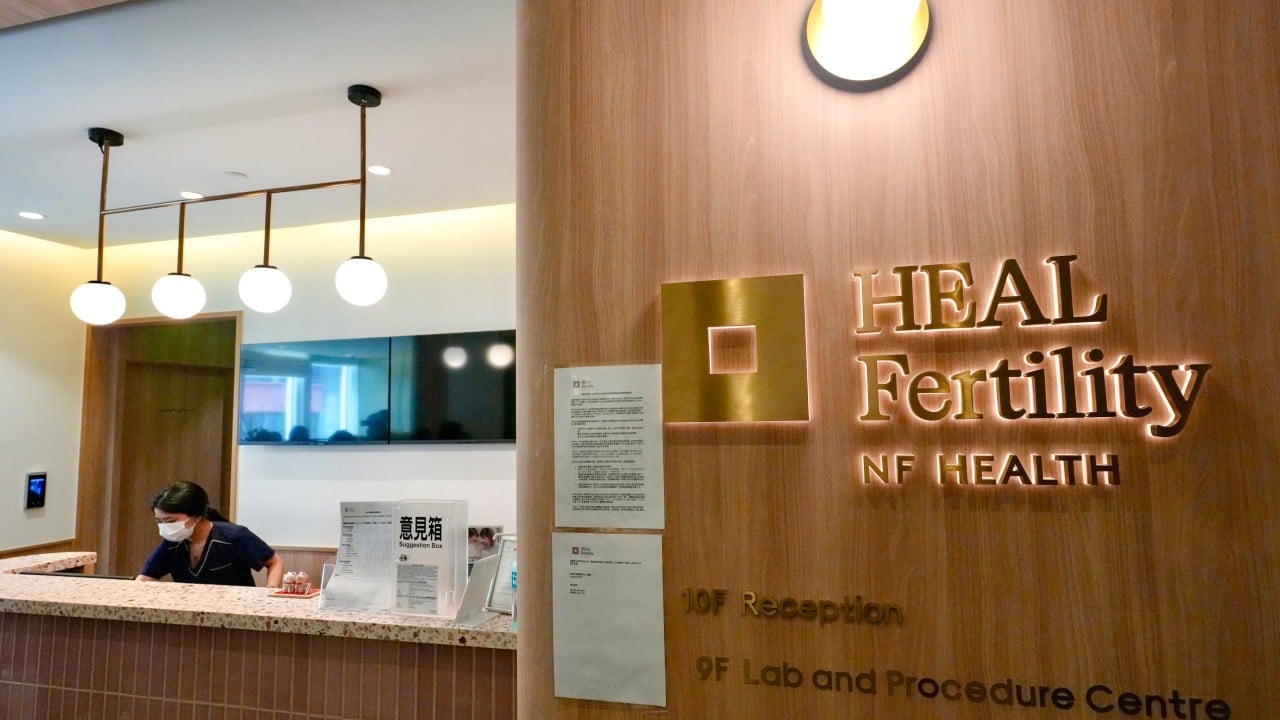
In Central, Hong Kong, a high-end fertility clinic became the center of every IVF patient’s worst nightmare. The Council on Human Reproductive Technology abruptly stripped Heal Fertility Limited of 14 of its 17 licensed treatment services. The police were called. An investigation opened. The charge? A serious mix-up involving embryo biopsy specimens.
To understand the panic that rippled through the community, we have to look past the dense clinical jargon of the official press releases. We need to look at what actually happens behind the sealed doors of an embryology lab.
The Microscopic Swap
Consider a hypothetical couple, Sarah and David. After three failed natural attempts and two grueling rounds of egg retrieval, they finally have three viable embryos. Because of a family history of genetic disorders, their doctor recommends Pre-implantation Genetic Diagnosis.
An embryologist uses a laser to make a microscopic puncture in the outer layer of the embryo, gently sucking out just a few cells. The embryo itself never leaves the clinic; it goes straight into a liquid nitrogen tank to wait. The extracted cells—the biopsy specimen—are placed into a tiny, labeled vial and shipped to an external laboratory for genetic screening.
Now, imagine the phone call Sarah receives a few weeks later. The genetic report is back. The embryo is healthy, free of inherited diseases, and cleared for implantation. She goes through the procedure. She gets pregnant.
But months later, a routine prenatal blood test reveals a devastating truth: the genetic profile of the baby in her womb does not match Sarah or David.
This nightmare is what lawmakers and patients call the ultimate horror. In the case of Heal Fertility, this nightmare loomed terrifyingly close. The Chinese University of Hong Kong’s testing lab flagged an anomaly. Biopsy samples sent by the clinic did not match the genetic profiles of the intended parents. Out of eight questionable samples, seven were eventually traced back to their actual biological parents. One remained a mystery.
The Shadow of Delayed Truth
The clinic quickly issued a statement offering profound relief: the actual, physical embryos resting in their liquid nitrogen tanks were perfectly safe. The mix-up occurred purely during the handling and labeling of the tiny biopsy specimens sent out for testing. No wrong embryos were implanted into anyone's body.
The physical damage was averted, but the psychological damage was already done. Trust is a fragile thing. It does not handle silence well.
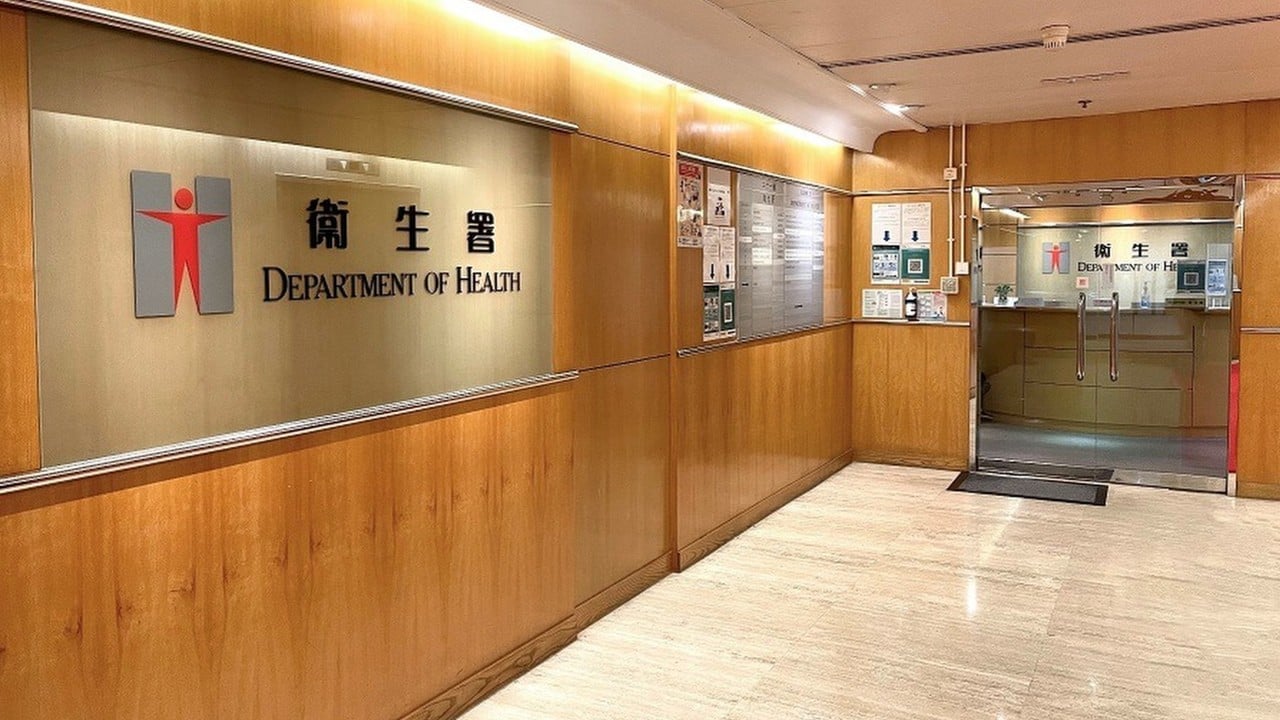
The external laboratory first noticed that something was terribly wrong on May 26. They flagged a second abnormal case on June 4. Yet, the Council on Human Reproductive Technology was not notified until June 17. The Department of Health did not find out until July 3.
Weeks.
For weeks, a bureaucratic silence filled the gap while an internal verification process dragged on. In the world of medicine, a delay in reporting is not just a regulatory infraction; it is a breach of the unwritten contract between a doctor and a vulnerable patient. Under Hong Kong's Private Healthcare Facilities Ordinance, clinics are required to report serious adverse events within 24 hours. The system failed its own timeline.
When a clinic delays telling the authorities, patients are left wondering what else is being hidden behind the sterile, polished glass of the medical center.
Tightening the Screws on Science
How do you fix a system where human error can jeopardize the genetic future of a family?
The knee-jerk reaction is always to demand more paperwork, but paperwork does not stop a tired embryologist from mislabeling a vial at the end of a twelve-hour shift. The real solutions are structural. Lawmakers are currently pushing for a complete overhaul of Hong Kong's medical incident reporting system, demanding tighter deadlines and harsher penalties for delayed disclosures.
There is also a push for a mandatory "four-eyes" principle in embryology labs. Every single specimen, every embryo transfer, and every biopsy vial would require two separate medical professionals to independently verify the identity and the labels before any action is taken. It sounds tedious. It is tedious. But when the stakes are human lives, tedious is the gold standard.
Heal Fertility has since scrambled to salvage its reputation, offering free parental testing, free genetic identification for infants born through their services, and counseling for distraught clients. They have tightened access controls on their premises.
But for the couples currently caught in the limbo of a frozen family plan, those measures feel like an umbrella offered after the storm has already washed the house away. Their treatment is paused, their confidence shaken, and their biological futures left hanging in the balance while the police and regulators pick through the laboratory records.
Science has granted us the miraculous ability to build life in a petri dish, to rewrite our genetic destinies, and to beat infertility at its own cruel game. Yet, for all our advanced lasers and liquid nitrogen storage tanks, we remain entirely at the mercy of the fallible human hand holding the pipette.
A single misplaced sticker can derail a family history.