The man at the gas pump in Des Moines doesn’t care about the intricacies of the Vienna Agreement. He doesn’t know the names of the ministers who sit in gilded chairs, sipping mint tea while they decide the fate of the global economy. All he knows is the clicking sound of the digits on the display, spinning faster than his paycheck can keep up. He feels a phantom pressure in his chest every time the nozzle snaps shut.
That pressure is the physical manifestation of a geopolitical tug-of-war happening five thousand miles away.
Recently, the collective known as OPEC+—a group of nations that controls the literal lifeblood of modern civilization—decided to crack the valve. They increased their daily output by 206,000 barrels. In the grand math of a world that consumes roughly 100 million barrels every single day, 200,000 seems like a rounding error. It is a bucket of water thrown into a swimming pool.
Yet, in the hyper-sensitive nervous system of the global market, that bucket is a signal. It is a message sent from the desert to the boardrooms of New York and the kitchens of Tokyo. The message is simple: We are watching, and we are worried.
The Shadow of the Strait
To understand why 206,000 barrels matter, you have to look at a map of the Middle East and find the Persian Gulf. There is a tiny pinch point there called the Strait of Hormuz. Imagine a garden hose that provides water to an entire neighborhood. Now imagine a giant thumb pressing down on that hose.
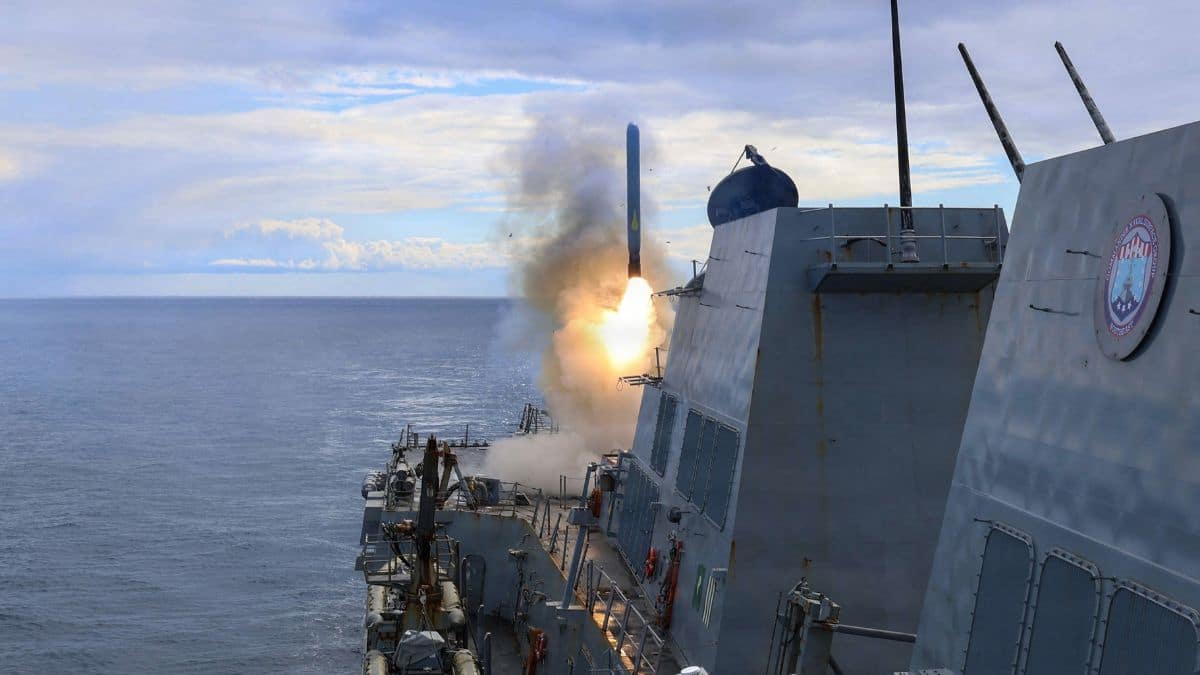
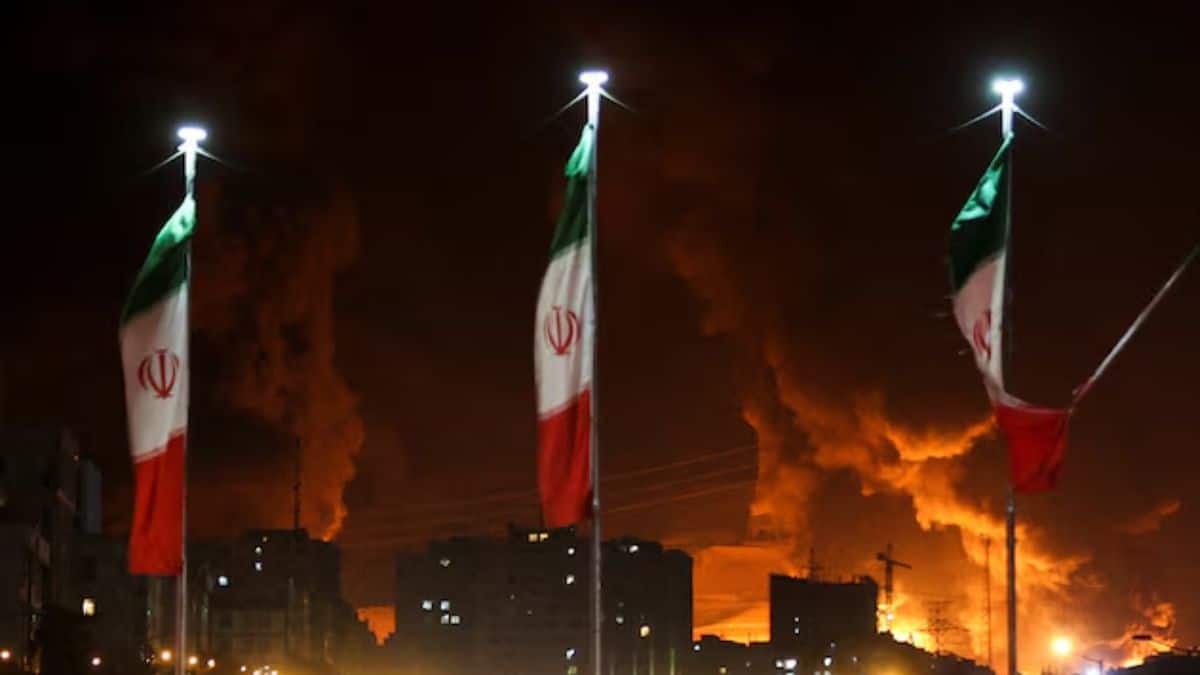
As conflict between Israel and Iran simmers and occasionally boils over, the world’s collective heart rate spikes. Iran sits on the edge of that strait. If that thumb presses down—if the flow of oil is physically blocked by war—the price of a barrel won't just rise; it will scream.
OPEC+, led by the pragmatic, often cold-blooded strategy of Saudi Arabia, is playing a game of preemptive stabilization. By bumping up production now, they are trying to build a cushion. They are telling the world that even if one source of light flickers out, they have the batteries ready to go.
But there is a catch. There is always a catch.
The Problem of the Rule-Breakers
In any group project, there is always the person who doesn’t do the work but wants the grade. In the world of oil, this is known as "overproduction."
While the headline says the group boosted output, the reality is messier. Several member nations have been "cheating" for months, pumping more than their assigned quotas to pay off national debts or fund local projects. Iraq and Kazakhstan have been the primary suspects, frequently exceeding their limits while promising to make "compensatory cuts" later. It’s the equivalent of a person on a diet eating a whole cake today and promising to eat only celery for the next three weeks.
We rarely see the result of those broken promises. But the market sees them. When OPEC+ officially raises its target, it is often just acknowledging the reality that its members were already pumping more than they said they would.
The "extra" 206,000 barrels is a drop in the ocean compared to the volume being moved in the shadows. The real tension isn't the number itself; it's whether the group can remain a group. If the discipline fails—if every nation decides to pump as much as they can to grab cash before the world transitions to green energy—the price of oil will collapse.
For the man in Des Moines, that sounds like a dream. Cheap gas forever. But for the global economy, a total price collapse triggers a different kind of nightmare: bankruptcies in the American shale patch, political instability in the Middle East, and a sudden, violent halt to the investments needed to keep the lights on five years from now.
The Invisible Stakes of a Cold Winter
Consider a hypothetical family in a suburb of Berlin. They use heating oil. For them, the OPEC+ decision isn't a business headline; it’s a calculation of how many rooms they can afford to keep warm in January.
The market risks mentioned in the dry financial reports are actually human risks. When the report says "volatility persists," it means the price of bread in Egypt might rise by 30% because the fuel to transport it is more expensive. It means a trucking company in Ohio might have to lay off three drivers because their margins were eaten by diesel costs.
The 206,000-barrel increase is a psychological sedative. It is meant to calm the nerves of traders who see the headlines about Iranian missiles and start buying oil futures in a panic. By showing a willingness to provide more supply, OPEC+ is trying to prevent a price spike that could trigger a global recession.
They are walking a tightrope. On one side is the risk of oversupply, which would tank their own economies. On the other is the risk of a shortage, which would destroy the economies of their customers.
The Ghost in the Machine
We like to think we have moved past the era of the 1970s oil shocks. We have electric cars, wind farms, and massive batteries. But the ghost of 1973 still haunts the halls of every central bank. Our world still runs on carbon. Everything you touch—the phone in your hand, the shoes on your feet, the food on your plate—was moved, processed, or created using the energy contained in those black barrels.
When OPEC+ moves, the world vibrates.
The current increase in production is a defensive crouch. It is an admission that the geopolitical floor is shaky. The persistence of "market risks" is just a polite way of saying that we are living in a moment where a single stray spark in the Middle East could override every spreadsheet and every production quota ever written.
The man at the pump finishes his transaction. He hangs up the nozzle and drives away, unaware that his ability to afford that tank of gas was debated for twelve hours in a secure room in a different hemisphere. He is the end point of a massive, invisible chain of custody that begins miles underground and ends in his combustion engine.
As the sun sets over the oil fields of the Ghawar and the Permian Basin, the valves remain open. The 206,000 barrels are flowing. But the eyes of the world remain fixed on the horizon, watching for the smoke of a conflict that no amount of oil can douse.
The bucket is in the pool. The water is rising. We are all just waiting to see if the pool holds.