The global energy market is twitching. When tensions flare up between Iran and Israel, the world usually looks at oil prices, but the real story is happening in Beijing. China is the world's largest importer of crude oil. They don't just want stability in the Middle East; they need it to keep their economy from stalling. If Iran gets dragged into a full-scale war, the ripple effect won't just stay in the desert. It hits the Chinese manufacturing engine directly.
The Crude Reality of Chinas Oil Dependence
China imports roughly 75% of its oil. That's a staggering number. While they've tried to diversify by buying more from Russia and investing in renewables, the Middle East remains their gas station. Iran specifically plays a unique role here. Because of international sanctions, Iranian oil often flows to China at a discount. Small, independent Chinese refineries, often called "teapots," rely on this cheap crude to stay profitable.
If a war shuts down the Strait of Hormuz, that supply chain snaps. We aren't just talking about a price hike. We're talking about a physical shortage. When supply drops, prices for petrol and essential goods in China will skyrocket. It's a simple math problem with a messy human solution. People think China can just flip a switch and use coal or wind. They can't. Not for the heavy transport and chemical industries that drive their exports.
Russias Role as the Backup Plan
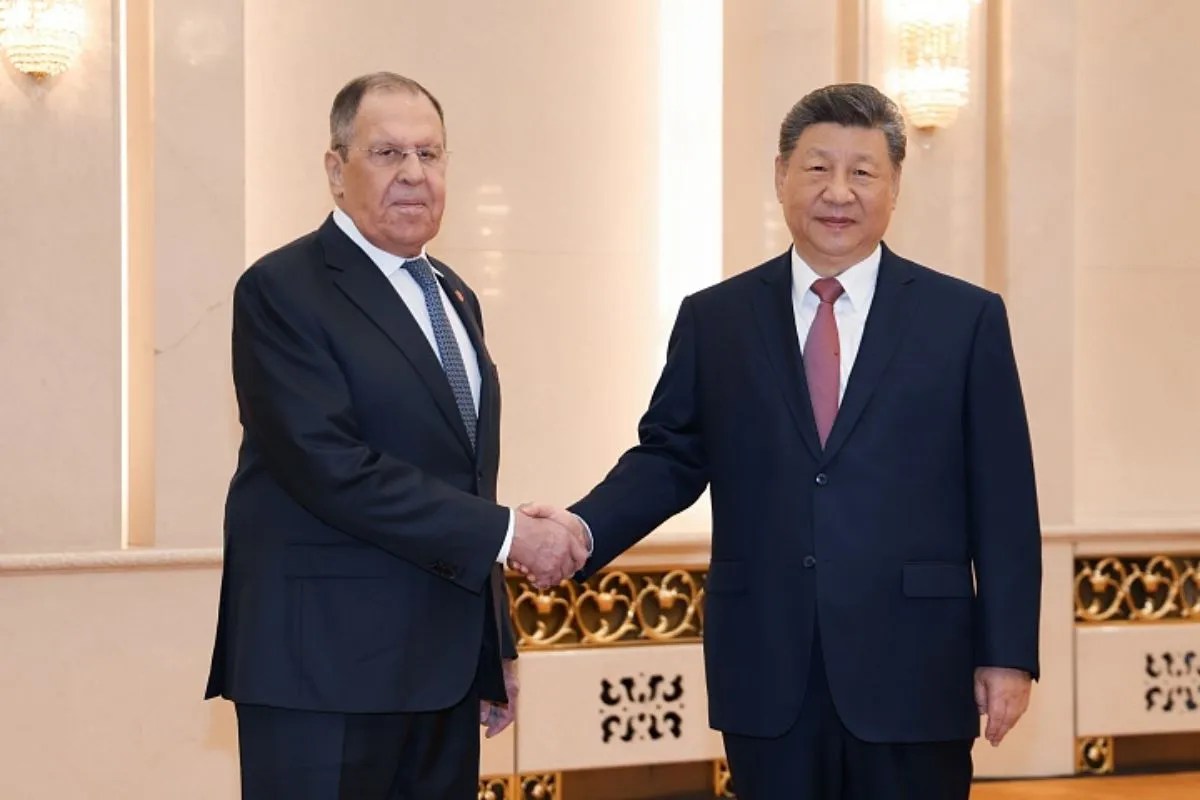
Moscow is watching this closely. Russia's Deputy Prime Minister Alexander Novak has already hinted that Russia is ready to increase supplies if the market faces a squeeze. It sounds like a friendly gesture, but it's business. Russia needs the cash to fund its own ongoing conflicts. Since 2022, Russia has pivoted its entire energy infrastructure toward the East.
The Power of Siberia pipeline and increased tanker traffic through the Arctic are part of this shift. However, there's a limit. Russia can't just replace every barrel of Middle Eastern oil overnight. The infrastructure has bottlenecks. Rail lines are packed. Pipelines are at capacity. Even if Russia wants to "save" China from high prices, they'll likely charge a premium because they know Beijing is desperate. It's a classic case of leverage.
The Inflation Domino Effect
When oil prices go up, everything goes up. It's not just the guy filling his scooter in Shanghai.
- Fertilizers: Made from natural gas and oil byproducts. Higher costs mean more expensive food.
- Logistics: Shipping containers don't move for free. If fuel costs jump 20%, your plastic goods and electronics cost more.
- Manufacturing: China's factories run on high-energy inputs.
This creates a nasty feedback loop. If Chinese goods become more expensive to produce, global inflation rises. The world is still hooked on Chinese exports. You might live in London or New York and think an Iran-China energy crisis doesn't affect you. It does. You'll see it on your grocery bill and your Amazon checkout page.
Why the Strait of Hormuz is the Ultimate Choke Point
About 20% of the world's total oil consumption passes through the Strait of Hormuz. Iran has repeatedly threatened to close it if they're pushed too far. For China, this is the nightmare scenario. Unlike the US, which has become a net exporter of energy thanks to shale, China is trapped by geography.
They've spent billions on the "Belt and Road Initiative" to find overland routes through Pakistan and Central Asia. They want to bypass the sea lanes controlled by the US Navy. But those projects are years, maybe decades, away from replacing the sheer volume of the sea routes. If that strait closes, China's strategic petroleum reserves might only last three months. After that, the lights start dimming.
What Happens to Essential Goods
We often forget that oil is the base for almost everything. Plastics, synthetic fabrics, even aspirin. When the competitor articles talk about "essential goods getting expensive," they usually mean bread and milk. But it's deeper. In China, the government heavily subsidizes certain sectors to keep the peace.
If the cost of importing energy becomes too high, the CCP faces a choice:
- Absorb the cost and drain the national treasury.
- Pass the cost to the citizens and risk social unrest.
Neither option is good. This is why China has been playing the role of peacemaker in the Middle East lately. They brokered the deal between Saudi Arabia and Iran not because they love diplomacy, but because they love cheap oil. They need the region to stay quiet so the tankers keep moving.
Practical Steps for the Global Market
If you're tracking these developments, stop looking at just the headlines about missiles. Watch the shipping insurance rates in the Persian Gulf. If those spike, it's a signal that the market expects a real disruption.
Keep an eye on the "dark fleet"—the tankers that move sanctioned oil. If these ships stop docking in Chinese ports, the "teapot" refineries will struggle first. That's your leading indicator for a broader economic slowdown in China.
Investors should look at energy-heavy industries. If you're holding stock in companies that rely on cheap Chinese manufacturing, it's time to check their supply chain resilience. Diversification isn't just a buzzword anymore; it's a survival tactic. Move your focus toward companies that have localized their production or have long-term fixed-price energy contracts. The era of assuming the oil will always flow cheaply is over.