When Saudi Crown Prince Mohammed bin Salman, Turkish President Recep Tayyip Erdoğan, and Pakistani Prime Minister Shehbaz Sharif gathered to sign the Mecca Joint Defense Agreement, the headlines focused on a new NATO-style security blanket. But treaties written on paper rarely survive contact with reality unless the regional heavyweights force them to. If you want to understand where this trilateral alliance goes next, look directly toward Tehran. Iran isn't just part of the calculation. Tehran is the primary catalyst driving these three capitals together, and how the Iranian government reacts will ultimately make or break the agreement.
For decades, Gulf states relied almost exclusively on Washington for their defense guarantees. That comfortable arrangement fractured when regional wars and relentless drone and missile strikes exposed the limits of distant protection. When Iranian projectiles targeted Saudi infrastructure, Riyadh realized it needed alternative options. Enter the Mecca Pact, which promises that an attack on one signatory is an attack on all three. Meanwhile, you can read other events here: When the Rivers Overflow Their Banks And the Silence Claims the Living.
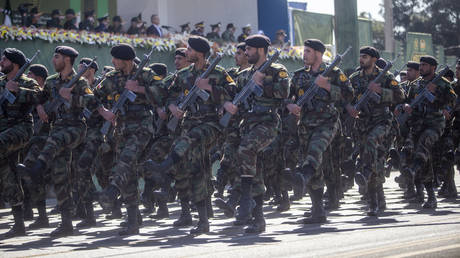
Skepticism surrounds the pact. Critics point out that the text lacks an integrated military command structure or a standing joint force. Turkey brings NATO's second-largest military, Pakistan offers unmatched manpower alongside its nuclear deterrent, and Saudi Arabia commands immense financial capital. Yet putting these assets on paper is very different from deploying them into an active theater.
Tehran's official reaction to the pact has been surprisingly mixed rather than outright hostile. Foreign Minister Abbas Araghchi publicly welcomed the agreement while urging Muslim nations to rely on their own capabilities. Other Iranian officials took a more dismissive tone, arguing that paper alliances cannot replace genuine regional diplomacy. Behind closed doors, Iranian military figures have engaged in direct talks with regional counterparts to cool tensions and prevent total escalation. To explore the full picture, check out the detailed article by USA Today.
The durability of the Mecca Pact hinges on several factors that analysts often overlook:
- Defense Industrial Integration: The real value of the pact isn't a joint war against Iran; it is co-producing military hardware, sharing intelligence, and building autonomous defense manufacturing. Turkish drone technology paired with Saudi funding creates a self-sustaining ecosystem.
- The Limits of Mutual Defense: Islamabad has made it clear its forces will protect Saudi territory defensively, but Pakistan has no appetite for participating in offensive operations against Tehran or allied proxy groups.
- Washington's Quiet Acceptance: Surprisingly, traditional Western reactions have been muted. Leaders realize that burden-sharing takes pressure off external partners, even if it slowly erodes absolute Western dominance over Middle Eastern security architecture.
If Tehran chooses a path of prolonged hostility and proxy aggression, the Mecca Pact will face an immediate, stressful baptism by fire. Under those conditions, the signatories will either have to operationalize their collective defense commitments or watch the treaty turn into a hollow diplomatic exercise. Conversely, if backchannel diplomacy manages to lower the temperature across the Persian Gulf, the pact will quietly pivot away from immediate crisis management and transform into a long-term economic and industrial block.
Saudi Arabia isn't cutting ties with its traditional allies, nor is Turkey abandoning its independent foreign policy. Instead, they are building an insurance policy. How Tehran behaves in the coming months will determine whether that insurance policy ever gets cashed.